A comprehensive report from the Commonwealth Observer Group has issued significant recommendations for strengthening Guyana’s electoral processes following the 2025 general and regional elections. Dated September 1 and published December 22, the document calls for substantial reforms to enhance democratic integrity and issue-based political engagement.
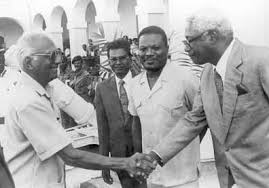
The observer mission specifically advocates for the reinstatement of nationally televised presidential debates, noting that the last such event occurred in 1992 between then-incumbent President Desmond Hoyte of the People’s National Congress and his successful challenger Dr. Cheddi Jagan of the People’s Progressive Party Civic. Subsequent attempts to organize similar debates between major political parties have consistently failed despite their potential to elevate policy discussions above partisan divides.
The report identifies a notable shift in campaign dynamics, recognizing that while traditional mobilization techniques persisted, the 2025 elections featured increased policy-driven messaging addressing Guyana’s economic and social challenges. Key campaign issues centered on transparent management of oil and gas revenues, anti-corruption measures, equitable development, and social service improvements. Constitutional reform and responsible economic growth emerged as dominant themes across party platforms.
Regarding media landscape assessment, the Commonwealth Group expressed concerns about uneven pluralism, with state-owned entities like the Chronicle and National Communications Network perceived as favoring the governing party. Meanwhile, private media outlets face financial constraints and occasional self-censorship due to political pressures and advertising dependencies. The report recommends developing a media code of conduct for election coverage through collaboration with the Guyana Press Association and the Guyana Elections Commission (GECOM).
The digital transformation of campaigning received particular attention, with approximately 96% of Guyanese now online. While social media provided new participatory avenues, especially for smaller parties, it also facilitated the spread of misinformation and disinformation throughout the election cycle.
The observer mission further highlighted concerns about diminishing civic space, noting that civil society organizations reported operating in a punitive environment that sometimes labels them as “anti-government.” The report criticizes GECOM for lacking structured engagement with stakeholders—including media, political parties, and civil society—within its electoral operational plan. No deliberate outreach efforts were made to ensure meaningful civil society participation in election preparations, and information about citizen observers remained inaccessible to the Commonwealth Group.
Overall, the recommendations emphasize institutionalizing issue-based campaigning, ensuring media independence, building digital resilience through monitoring and civic education, and revitalizing civil society’s role in maintaining transparency and accountability within Guyana’s democratic processes.