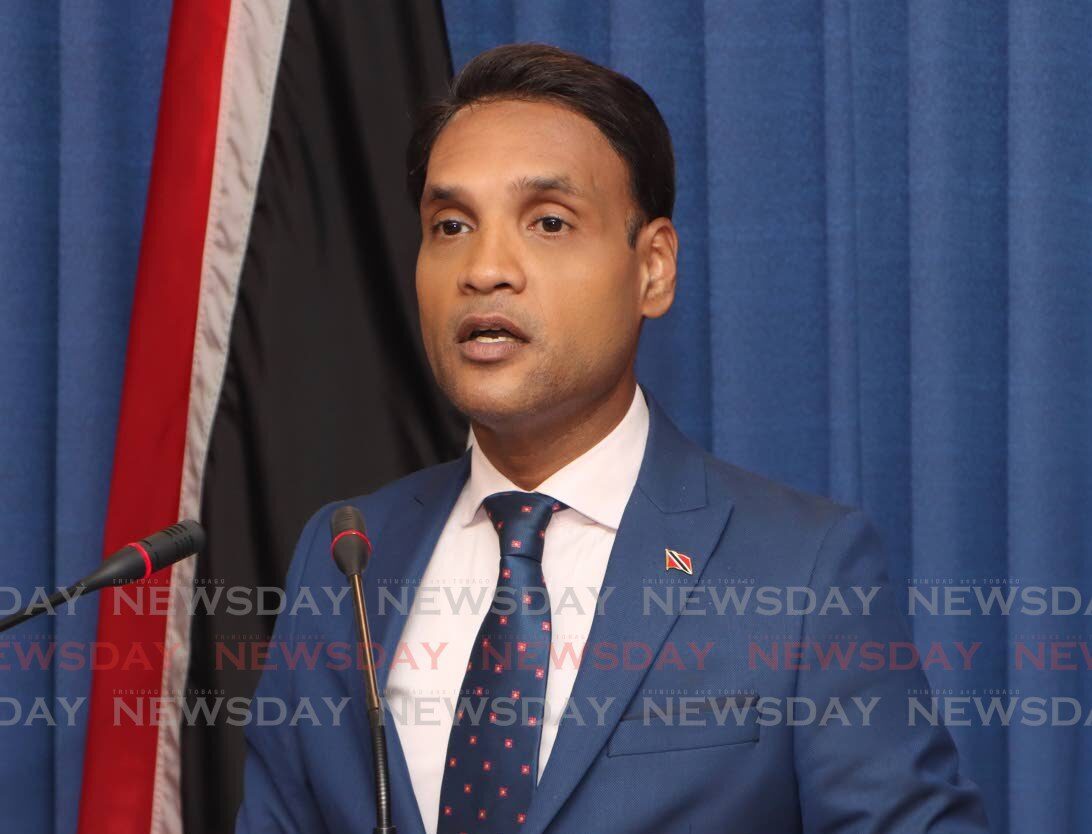
A significant diplomatic controversy has erupted within Trinidad and Tobago’s political landscape, pitting current government officials against former leadership over fundamental foreign policy directions. Public Utilities Minister Barry Padarath has openly advised former Prime Minister Dr. Keith Rowley to remain in retirement while vigorously defending Prime Minister Kamla Persad-Bissessar’s controversial ‘TT First’ approach to regional affairs.
The political confrontation stems from Persad-Bissessar’s recent criticism of CARICOM (Caribbean Community), which she characterized as an ‘unreliable partner’ suffering from ‘dysfunctional and self-destructive’ tendencies. During a December 20 address, the Prime Minister elaborated that beneath the surface unity of the regional bloc lie ‘many widening fissures’ that threaten its stability. She specifically cited poor management, lax accountability, factional divisions, and inappropriate meddling in member states’ domestic politics as contributing factors to the organization’s rapid deterioration.
These comments emerged following CARICOM leaders’ collective response to recent US immigration restrictions affecting citizens from Haiti, Dominica, and Antigua and Barbuda. The regional body, now operating as the Bureau of the Conference of Heads of Government, had called for renewed engagement between member states and the United States.
Rowley responded with intense criticism through a Facebook statement on December 21, accusing Persad-Bissessar of demonstrating ‘subservience to the US’ and engaging in ‘the most unpatriotic and recklessly incompetent’ leadership he had witnessed in his lifetime. The former Prime Minister asserted that reducing Trinidad and Tobago to a ‘vassal state’ that takes ‘secret instructions from another country’ effectively negates the nation’s constitutional sovereignty and fundamental right to independent decision-making.
In his retaliatory statement, Padarath dismissed Rowley’s decade-long premiership as ineffective and contrasted it with what he described as Persad-Bissessar’s ‘bold leadership, courageous decisions and strategic alliances.’ The Minister emphasized that the current administration refuses to ignore regional challenges including gun trafficking, drug trafficking, and human trafficking, while simultaneously avoiding coddling ‘tyranny and despotism.’
The government’s position maintains that regional solidarity should not rely on utopian fantasies of the Caribbean as a ‘zone of peace,’ but rather confront harsh realities through decisive action. Padarath concluded that the Prime Minister is ‘redefining TT’s foreign policy’ to deliver tangible benefits in national and economic security, fully aligning with the administration’s ‘TT first’ doctrine.