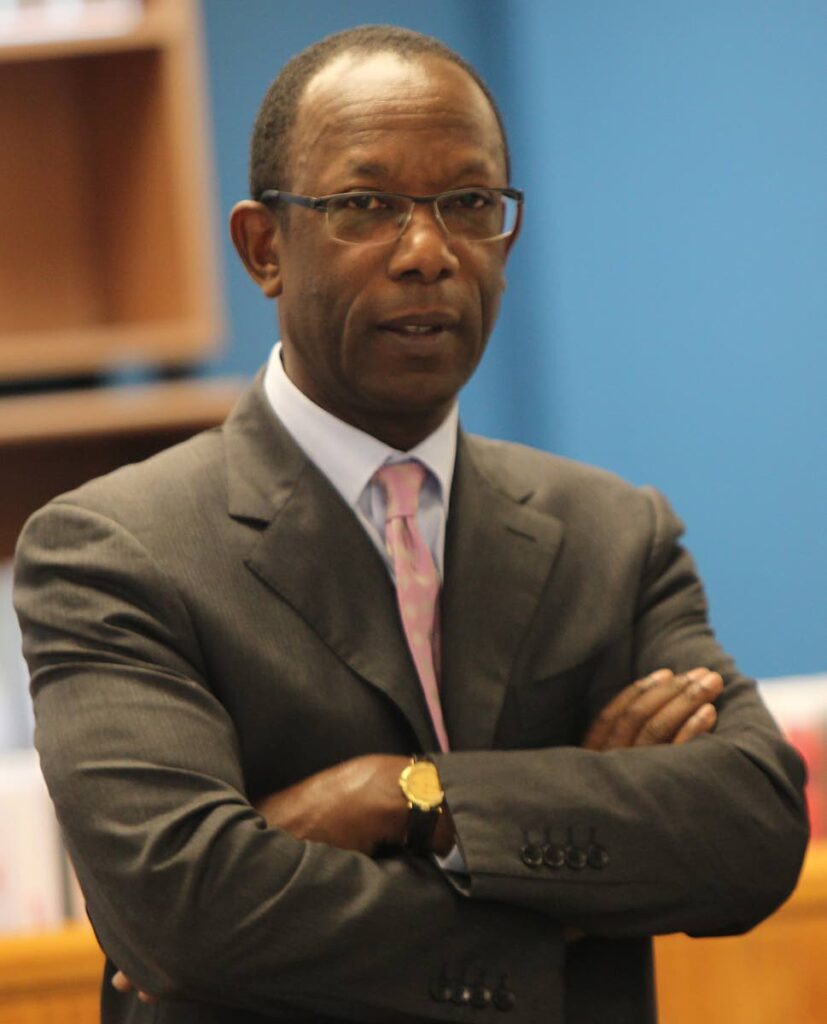
In a significant judicial development, the Trinidad and Tobago Court of Appeal has rejected convicted King’s Counsel Vincent Nelson’s application for conditional leave to appeal his 2019 corruption conviction. The three-judge panel comprising Justices Nolan Bereaux, James Aboud, and Ricky Rahim unanimously dismissed Nelson’s petition on December 19, determining the matter raised no substantive constitutional issues warranting further domestic consideration.
Justice Bereaux, delivering the oral ruling, emphasized that the Director of Public Prosecutions’ decision to prosecute did not violate Nelson’s constitutional rights, noting that all due process safeguards were meticulously observed throughout the plea agreement proceedings. The court characterized Nelson’s application as merely procedural rather than constituting a final appeal against his conviction and sentence.
The ruling follows a July decision where the appellate court found Nelson failed to demonstrate prosecutorial misconduct by the DPP and had substantially delayed filing his appeal. Justice Geoffrey Henderson, in the previous ruling, noted that Nelson—a UK-based tax attorney—voluntarily entered his plea agreement in 2019 and had ample opportunity to disclose any alleged promises or threats during original proceedings.
Nelson pleaded guilty in June 2019 to conspiracy to commit corruption and money laundering charges stemming from a legal-fee kickback scheme. He received a $2.25 million fine in March 2020 after agreeing to testify against former attorney general Anand Ramlogan, SC, and former UNC senator Gerald Ramdeen. Those prosecutions were subsequently discontinued in 2022 when Nelson refused to testify pending resolution of a $95 million civil claim related to an alleged indemnity agreement.
In his appeal arguments, Nelson contended that former attorney general Faris Al-Rawi had promised him immunity, a pardon, and payment of legal fees, leading him to provide self-incriminating statements under false pretenses. The court found these claims unsupported by sworn evidence from the attorney who allegedly conveyed the promises.
The court also highlighted the extraordinary delay in Nelson’s appeal filing—submitted in October 2023, more than four years after conviction and three years after sentencing. Justice Henderson rejected Nelson’s explanations including illness and expectation of pardon as insufficient justification.
Nelson’s legal team, led by Edward Fitzgerald, KC, argued their client acted as a confidential informant and only provided incriminating evidence after receiving assurances of protection. Fitzgerald asserted Nelson received £1 million days after giving his statement, suggesting he was ‘tricked’ by false promises.
DPP representative Ian Benjamin, SC, countered that Nelson was a seasoned barrister who strategically entered the plea agreement and delayed challenging it for leverage. Benjamin emphasized that prosecutorial authority resides solely with the DPP and pardon powers rest with the Mercy Committee, not the attorney general.
Nelson has not yet paid the imposed $2.25 million fine and intends to seek special leave from the London-based Privy Council—TT’s final appellate court—following this domestic judicial setback.