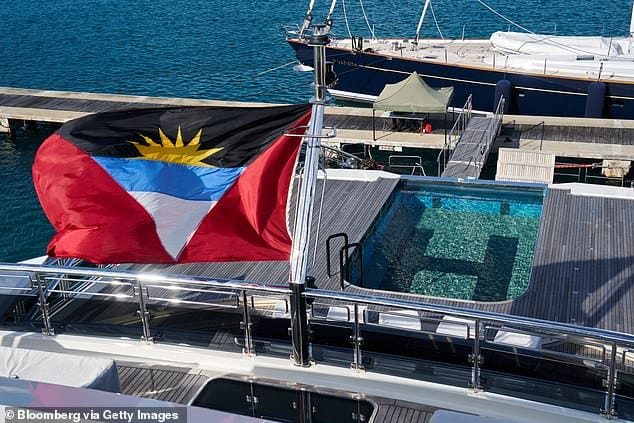
Antiguan opposition figure Harold Lovell has drawn direct connections between recently imposed U.S. travel restrictions and his government’s controversial handling of the Russian-affiliated superyacht Alfa Nero, warning of significant diplomatic consequences. During a recent appearance on Observer Radio, Lovell presented a comprehensive critique of the Browne administration’s foreign policy approach, characterizing the U.S. sanctions as the predictable outcome of diplomatic missteps rather than unrelated developments.
Lovell systematically dismantled the official narrative that the travel restrictions resulted from Antigua and Barbuda’s refusal to host U.S. military radar equipment. He revealed that discussions about potential sanctions had commenced months before any such request materialized, indicating deeper underlying issues. The opposition politician instead identified the seizure and attempted sale of the Alfa Nero yacht as the central catalyst, describing it as a severe geopolitical dispute that entangled the small nation in complex international power dynamics.
The Alfa Nero, a luxury vessel with established Russian connections, became the subject of extended legal proceedings after its seizure. Lovell emphasized that government officials had received explicit warnings about the risks involved in engaging with such a sensitive international matter but proceeded without exercising necessary diplomatic caution. This action allegedly placed the Caribbean nation at the center of competing global interests involving wealthy international actors with significant cross-border influence.
Lovell directed particular criticism toward Prime Minister Gaston Browne’s leadership, accusing his administration of demonstrating deficient tactical awareness and strategic judgment in diplomatic affairs. He stressed that small island states must employ heightened precision and restraint when navigating relationships with major global powers, noting that careless statements and decisions can jeopardize national interests. The politician referenced previous parliamentary concerns regarding the yacht’s ownership claims and associated financial interests, noting these warnings were disregarded before manifesting in international legal challenges.
With partial U.S. travel restrictions now implemented, Lovell urged enhanced diplomatic discipline and greater awareness in international engagements to prevent further repercussions. He concluded that ordinary citizens ultimately bear the consequences of these foreign policy decisions, emphasizing the critical need for more sophisticated statecraft in an increasingly complex global landscape.