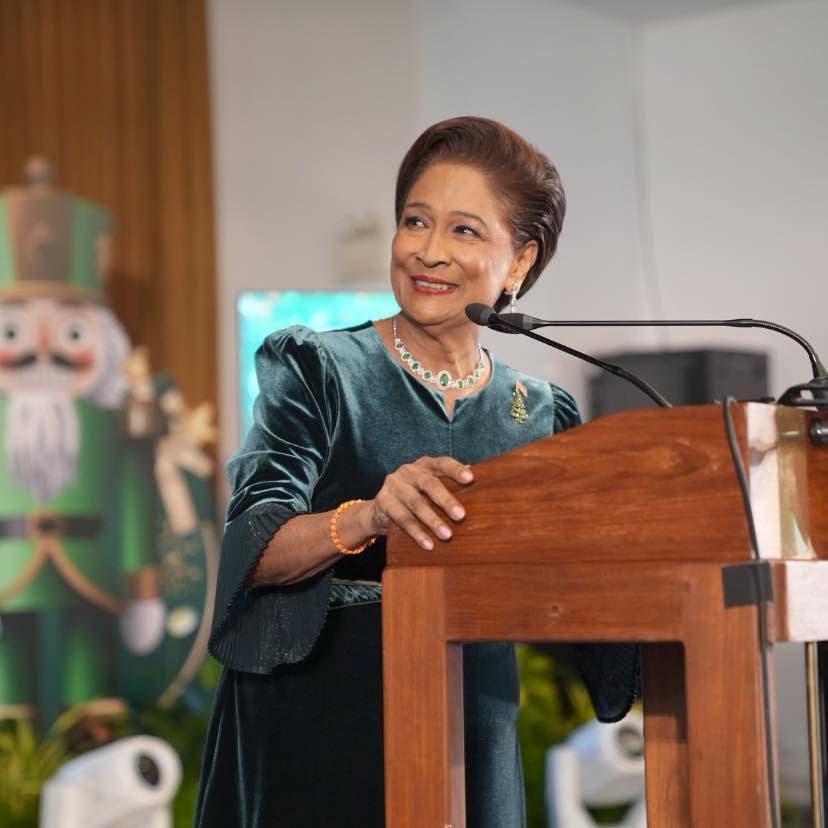
Prime Minister Kamla Persad-Bissessar is facing mounting criticism over her administration’s foreign policy approach toward the United States, with concerns emerging about potential compromises to national sovereignty. During a private Christmas Supper event at the Diplomatic Centre on December 18, the Prime Minister made controversial statements suggesting that the United States represents the sole nation capable of protecting and defending Trinidad and Tobago.
The remarks, delivered not in Parliament but at a partisan gathering, have raised questions about transparency and diplomatic strategy. The Prime Minister’s comments included explicit warnings to supporters regarding the maintenance of their US visas, implying that approximately 350,000 Trinidadian nationals with American visas could face revocation without careful navigation of bilateral relations.
This diplomatic positioning follows earlier controversies surrounding the installation of military-grade radar at Crown Point in Tobago, which was initially misrepresented as road construction work. Subsequent claims that this equipment facilitated a major drug seizure worth $171 million were subsequently disputed by the manufacturer, Northrop Grumman.
When confronted with investigative reporting from the New York Times, Persad-Bissessar dismissed the publication as a ‘foreign newspaper’ and discounted their verification from the manufacturer as anonymous sourcing. The Prime Minister has similarly distanced herself from regional issues, including the blockade of oil tankers involving Venezuela, characterizing such matters as exclusive concerns of the Trump administration.
Analysts note that while respectful acknowledgment of US military presence is pragmatic for Caribbean nations, the apparent wholesale dismissal of cross-border relations with Venezuela represents a significant departure from decades of regional cooperation within Caricom. The administration’s cheering of aggressive counter-narcotics operations resulting in numerous fatalities has further alarmed diplomatic observers.
The current approach marks a dramatic shift from Trinidad and Tobago’s historical foreign policy, which successfully maintained defense cooperation with the United States while preserving relationships with Caricom partners and other trading nations including China. Critics argue that the nation should engage with global partners as a sovereign equal rather than subordinate to American hegemony.