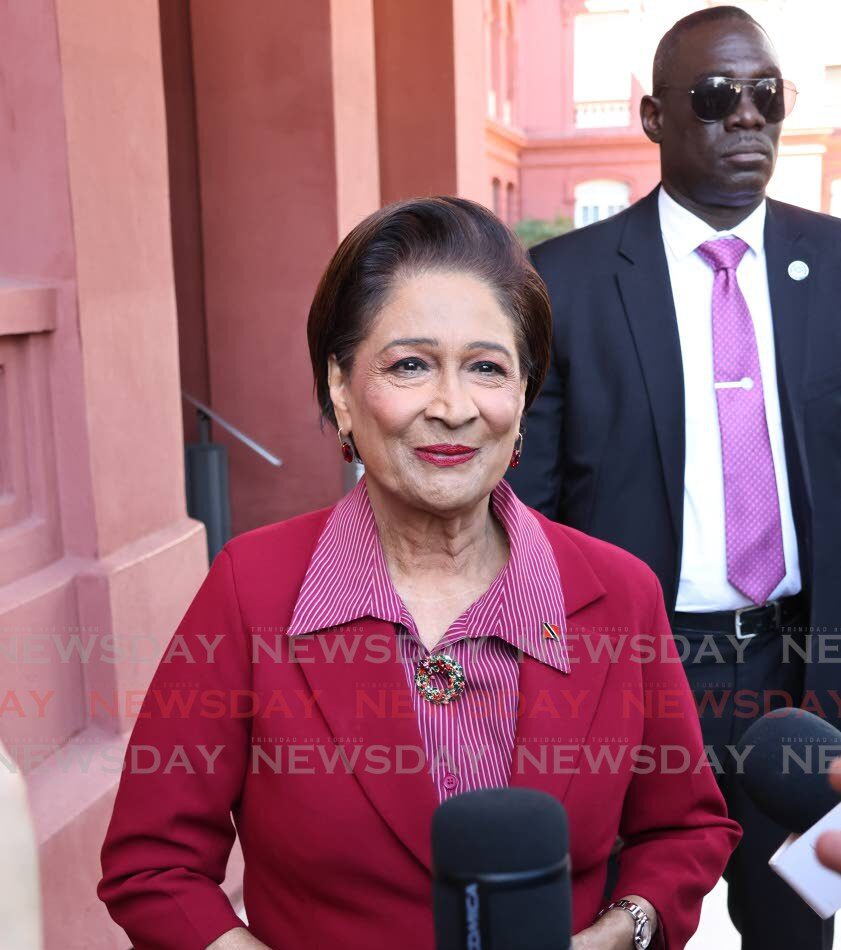
In an extraordinary diplomatic rupture, Trinidad and Tobago’s Prime Minister Kamla Persad-Bissessar has launched a severe condemnation of the Caribbean Community (CARICOM), labeling the regional bloc as an “unreliable partner” and accusing it of operating in a “dysfunctional and self-destructive manner.” The remarks represent the strongest criticism to date from a sitting leader of one of CARICOM’s founding members.
The Prime Minister’s statement came in direct response to CARICOM’s Bureau of Heads of Government criticizing recent U.S. immigration restrictions imposed on several Caribbean nations. Rather than joining regional counterparts in their concerns, Persad-Bissessar positioned Trinidad and Tobago separately from the collective stance, asserting that “CARICOM will not determine our future; only the citizens of our country will choose our path.”
Persad-Bissessar detailed what she characterized as systemic failures within the organization, citing “poor management, lax accountability, factional divisions, destabilizing policies, private conflicts between regional leaders and political parties, and the inappropriate meddling in the domestic politics of member states.” She called for CARICOM to address internal “rot” with “transparency and honesty,” warning that without reform, the organization faces potential “implosion” due to “many widening fissures.”
The context for this extraordinary rebuke stems from recent U.S. policy changes that imposed entry restrictions on nationals from 15 countries, including Caribbean nations Haiti, Antigua and Barbuda, and Dominica. The U.S. government stated these measures were necessary due to insufficient information to assess immigration risks and to advance national security objectives.
While CARICOM’s Bureau expressed concern about the lack of prior consultation and potential adverse effects on legitimate travel and economic well-being, Persad-Bissessar distanced Trinidad and Tobago from this position. She instead defended the United States as “our greatest ally” and criticized CARICOM for what she characterized as supporting Venezuela’s “narco-government headed by a dictator” over maintaining relations with the U.S.
The Prime Minister’s stance has drawn sharp criticism domestically and regionally. Former Foreign and CARICOM Affairs Minister Amery Browne condemned what he called an “anti-CARICOM rant” that was “erratic, inflammatory, full of baseless rhetoric.” Browne accused the Prime Minister of deliberately undermining fundamental CARICOM principles and attempting to “divide and destroy” the regional organization.
Antigua and Barbuda Prime Minister Gaston Browne, while not naming Persad-Bissessar directly, challenged the assertions that Caribbean leaders had been “cursing the US administration,” calling for factual evidence to support such claims. Despite acknowledging challenges within CARICOM, Browne reaffirmed his commitment to regional integration.
The escalating diplomatic tension highlights significant fractures within the Caribbean community at a time when coordinated regional responses to external policy changes are increasingly important for small island developing states.