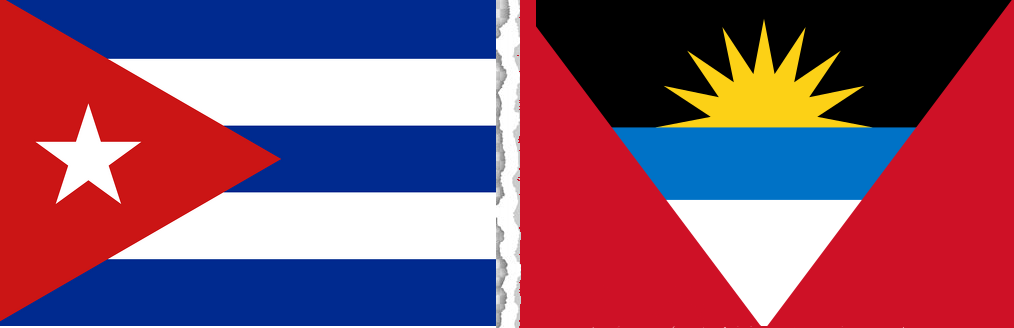
In a striking reversal of policy, the Gaston Browne administration in Antigua and Barbuda has abruptly terminated its long-standing medical cooperation agreement with Cuba. This decision concludes a partnership that had been described for years as fundamental to the Caribbean nation’s healthcare system.
The termination, revealed this week through statements from the opposition United Progressive Party (UPP), comes after a year of consistent assurances from Prime Minister Browne that his government would resist external pressure to end the Cuban medical program. As recently as this year, Browne had publicly championed the Cuban medical officers as ‘the core of the Antiguan medical service,’ warning that their removal would ‘devastate’ the country’s health services. He had additionally refuted claims from US officials that the program constituted a form of human trafficking.
The government has offered no public explanation for the sudden policy shift, which coincides with intensified US diplomatic efforts in the region. Secretary of State Marco Rubio has led a campaign targeting the Cuban Medical Professional Parole Program, urging Caribbean nations to cease their participation and instead directly hire Cuban doctors, thereby cutting payments to the Cuban government.
The geopolitical pressure escalated materially this week as both Antigua and Barbuda and Dominica faced newly imposed US visa restrictions. This move signals the Trump administration’s willingness to employ tangible measures to advance its policy objectives in the Caribbean. The termination of the medical partnership raises significant questions about what further concessions regional governments might be compelled to make as US leverage increases. The opposition UPP expressed regret over the decision, affirming to the Cuban people that their party remains ‘neither ungrateful nor forgetful’ of the long-standing cooperation.