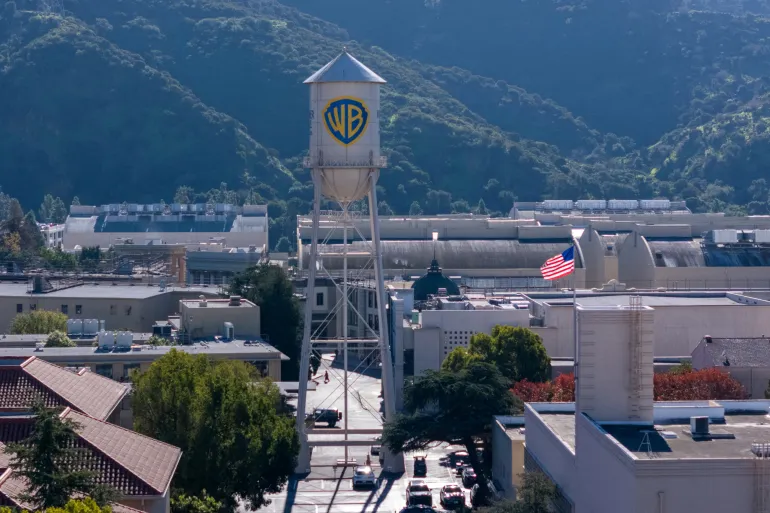
Warner Bros Discovery’s board of directors has formally rejected a hostile $108.4 billion acquisition proposal from Paramount Skydance, alleging the bidding studio misrepresented critical financial details to shareholders. In a December 17 communique to investors, the board asserted that Paramount had consistently misled stakeholders by claiming its $30-per-share cash offer was fully guaranteed by the Ellison family, led by Oracle billionaire Larry Ellison.
The rejection comes amid an intense corporate battle for control of Warner Bros Discovery’s coveted assets, including its prestigious film and television studios, HBO Max streaming platform, and valuable intellectual properties like the Harry Potter franchise. Paramount launched its aggressive bid after Warner Bros had already accepted a competing offer from streaming titan Netflix.
The board characterized Paramount’s proposal as posing ‘numerous, significant risks’ and declared it ‘inferior’ to Netflix’s binding $27.75-per-share agreement, which features robust debt commitments and requires no equity financing. Unlike Netflix’s solidified arrangement, Paramount’s offer could be terminated or modified arbitrarily prior to finalization, creating substantial uncertainty for shareholders.
Warner Bros leadership has not yet scheduled a shareholder vote on the Netflix merger but anticipates holding the decision during spring or early summer, according to Chairman Samuel Di Piazza. The Ellison family has reportedly cited their connections to former President Donald Trump as potentially smoothing regulatory approval, though Netflix executives have already initiated discussions with both the U.S. Department of Justice and European Commission regarding their proposed acquisition.
In a significant concession to address industry concerns, Netflix has assured Warner Bros it will continue theatrical releases for the studio’s films, alleviating fears that the merger would eliminate a major source of cinema content. The company’s co-CEO Ted Sarandos affirmed the board’s position that the Netflix agreement represents the superior path forward for stockholder interests.