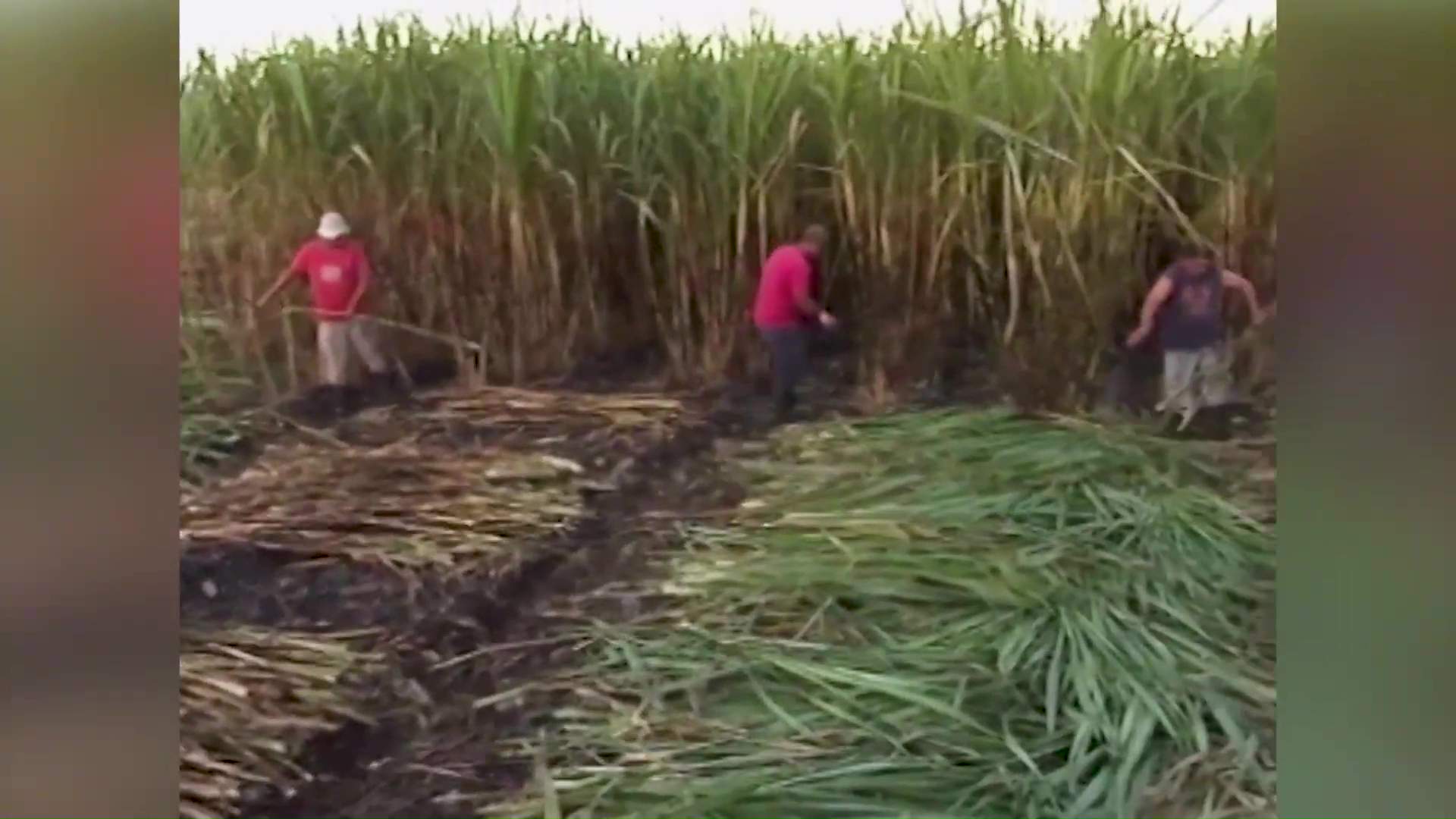
Belize’s vital sugar industry is confronting a severe operational crisis characterized by critical labor shortages and escalating administrative costs. During the previous harvest season, over 100,000 tons of sugarcane were abandoned to decompose in fields due to an acute lack of harvest workers. This agricultural dilemma persists despite the industry’s gradual transition toward mechanized farming methods, which hasn’t yet eliminated the essential need for manual laborers.
Historically, Belizean farmers have relied on immigrant labor to address workforce deficits. However, industry representatives now report that work permit fees for foreign agricultural workers have surged from $50 to $200 monthly per worker, creating substantial financial pressure. This 300% cost increase has made legal workforce maintenance increasingly challenging for producers.
Prime Minister John Briceño offers a contrasting perspective, asserting that the core issue isn’t financial but structural. He emphasizes that labor availability and bureaucratic processing delays represent the genuine obstacles rather than permit fees themselves. “The charges have always been there,” Briceño stated, “We have not raised any charges. I think more than anything else it’s the availability of manual labor.”
The disagreement came to the forefront during recent discussions between sugar producers and government officials. Cosme Hernandez, General Manager of the Progressive Sugarcane Farmers Association, confirmed the matter was raised directly with Minister Martinez. Hernandez revealed that the permit fee structure remained at $50 for over five years before dramatically increasing to the current $200 monthly rate, creating financial strain for the past several growing seasons.
Producers have proposed returning to the previous $50 fee structure as the most viable solution to maintain both workforce legality and operational viability. This developing situation threatens both Belize’s agricultural economy and its position in the global sugar market, with stakeholders urgently seeking resolution before further crop losses occur.