The recent expansion of the US travel ban to include Antigua and Barbuda along with Dominica has sent ripples through the Caribbean community, representing more than mere policy changes but a fundamental shift in regional relations. This development coincides with substantial American military mobilization in the region, featuring the deployment of the USS Gerald R. Ford near Venezuela’s coastline and over 15,000 personnel conducting operations that have reportedly resulted in numerous casualties.
For Caribbean citizens, the United States has historically represented familial connections rather than diplomatic challenges—the destination for summer visits, family weddings, educational opportunities, and cultural exchange. This deep interconnection now faces unprecedented complications as geopolitical tensions escalate.
The current generation, raised during three decades of regional peace and extensive American cultural influence, lacks the framework to comprehend superpower dynamics that their Cold War-era grandparents understood instinctively. The Caribbean has transformed into what scholars describe as a de facto Zone of Peace—not merely diplomatic rhetoric but lived reality where military conflict remains alien to daily existence.
Caribbean nations demonstrate inherent anti-militarism not as ideological pacifism but as practical reality. With defense forces that could assemble in small auditoriums, these nations perceive warfare as distant phenomena occurring in failed states rather than policy instruments. Thus, American discussions of “military options” and visible aircraft carriers generate cultural dissonance within the region.
Caribbean leaders now face impossible choices without cost-free solutions. Trinidad’s Prime Minister faced Venezuelan accusations of warmongering for permitting US military access, while Antigua’s refusal to host American radar installations coincided with its inclusion on the travel ban list. Grenada currently weighs similar decisions under intense pressure. Each choice carries consequences affecting visa applications, trade relationships, economic stability, and development opportunities.
The present crisis represents the most significant Western Hemisphere military deployment since the Cuban Missile Crisis, complete with Venezuelan oil blockades and Caracas turning to China, Russia, and Iran for support. CARICOM responses have involved improvised individual calculations rather than coordinated strategy.
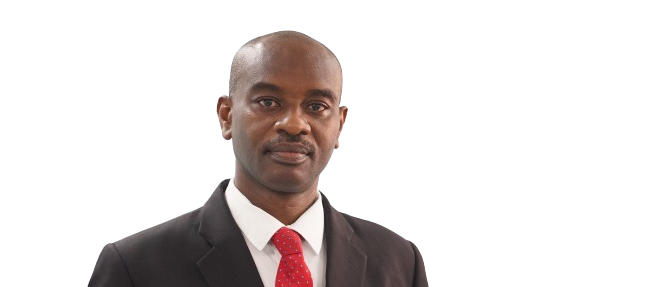
Navigating this new reality requires rediscovering what Professor C. Justin Robinson terms “Caribbean dance moves”—the diplomatic skill of maintaining balance amid shifting power dynamics, preserving relationships despite changing circumstances, and exercising sovereignty while acknowledging geopolitical realities. This demands sophisticated diplomacy that balances deep American connections against sovereign decision-making rights.
For a generation raised in peace and cultural interconnection with America, the sudden need to comprehend superpower politics represents both challenge and necessity. The music has restarted, and the Caribbean must dance with the giants once more.