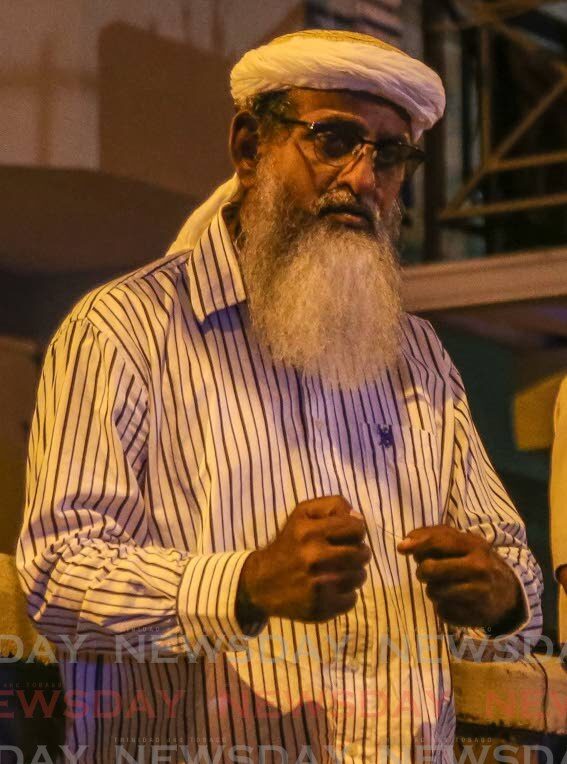
In a significant ruling addressing the balance between protest rights and public safety, High Court Justice Kevin Ramcharan has dismissed activist Umar Abdullah’s legal challenge against former Police Commissioner Erla Harewood-Christopher’s decision to prohibit the burning of a replica police flag during a 2023 protest.
The court determined that the Commissioner’s restriction constituted a lawful and proportionate measure under the Summary Offences Act, specifically designed to prevent potential breaches of peace and public disorder. While approving Abdullah’s planned march through Port of Spain to protest alleged police extrajudicial killings, the prohibition against igniting any objects—including the Trinidad and Tobago Police Service (TTPS) flag replica—was upheld as constitutionally valid.
Justice Ramcharan’s comprehensive judgment emphasized several critical factors supporting this decision: the emotionally charged nature of the protest targeting an institution allegedly responsible for civilian deaths, the inherent risks of igniting fires in densely urban environments, and documented historical instances where protests involving burning objects escalated into violence.
“The apprehension that flag burning might instigate serious public disorder fell squarely within the Commissioner’s discretionary authority,” Ramcharan stated. He further noted that the protest’s context—occurring near police headquarters with likely attendance by affected families—created substantial risk of escalation into infrastructure damage and physical injury to participants and bystanders.
The judgment clarified that while constitutional rights to free expression and assembly remain fundamental, the Summary Offences Act expressly permits reasonable limitations when proportionate to public safety concerns. The court found the restriction narrowly tailored since Abdullah retained full rights to conduct his march and voice criticisms through alternative means of symbolic speech.
Abdullah, leader of the First Wave Movement NGO, had argued that flag burning constituted protected symbolic expression and that the Commissioner acted without evidential basis. These claims were rejected after judicial review found the decision rationally connected to legitimate public order considerations, with Abdullah having been interviewed by police prior to the determination.
The activist was ordered to pay court costs, with amounts to be assessed by registrar if undisputed. Legal representation included Kiel Taklalsingh, Keron Ramkhalwhan, Rhea Khan and Shalini Sankar for Abdullah, while Tinuke Gibbons-Glenn and Kadine Matthew appeared for the state.