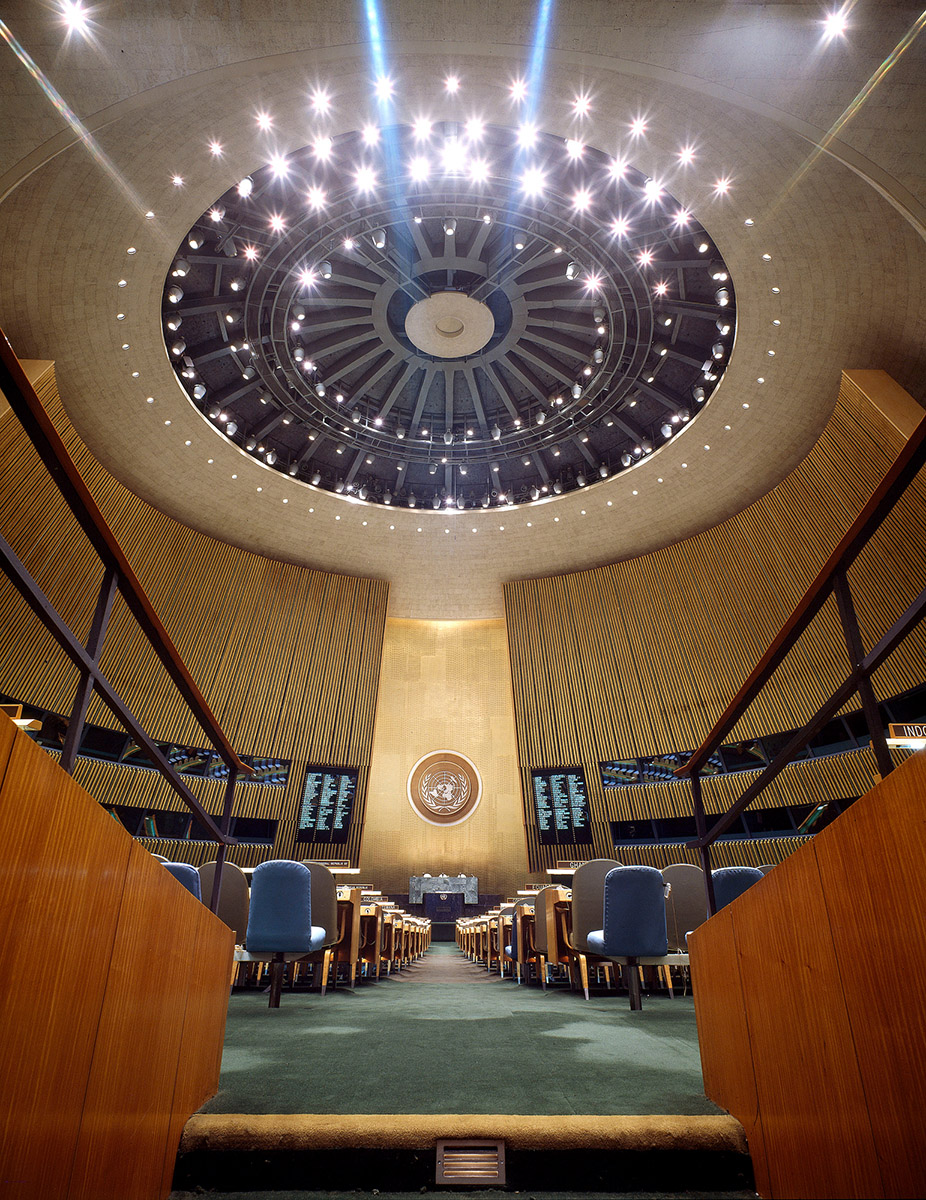
The United Nations commemorated a dual milestone on December 18, 2025, simultaneously observing the 65th anniversary of the Declaration on the Granting of Independence to Colonial Countries and Peoples and inaugurating the first International Day against Colonialism in All Its Forms and Manifestations. Assistant Secretary-General for Peacebuilding Support Elizabeth Spehar delivered a landmark address acknowledging both the progress made and the substantial work remaining in the global decolonization movement.
The 1960 declaration, co-sponsored by 43 Asian and African nations including all 17 territories that achieved independence that year, represented a watershed moment in UN history. This instrument served as a guiding framework for liberation, enabling over 60 territories comprising more than 80 million people to pursue self-determination and emerge as sovereign states. The current membership of 193 nations stands as testament to this transformative process.
However, Spehar presented a candid assessment of unfinished decolonization work, noting that 17 Non-Self-Governing Territories remain under colonial administration. Beyond these official designations, she identified more subtle but equally impactful colonial legacies embedded within global power structures. International institutions including the Security Council and financial systems continue to reflect antiquated power dynamics from an imperial era rather than contemporary equality principles.
These structural imbalances actively undermine trust, impede progress, and contravene the foundational UN principles of equality, sovereignty, and self-determination. The address connected current governance challenges to the original 1945 UN mandate to save future generations from conflict while advancing human rights and freedom.
Spehar concluded with a call to action, urging renewed commitment to building a world where power is distributed equitably rather than concentrated, institutions serve all populations fairly, and freedom becomes a universal entitlement rather than a privileged exception.