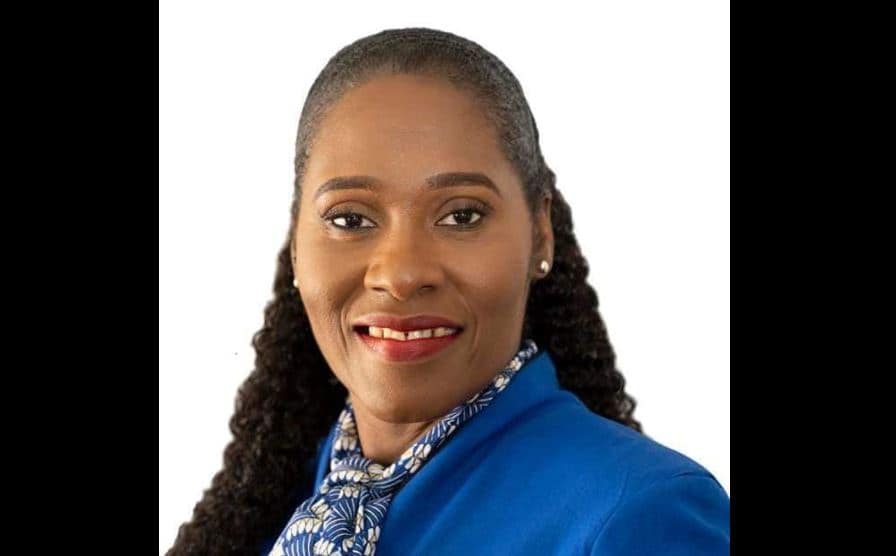
A significant fiscal transparency debate unfolded in the Upper House on Wednesday as Opposition Senator Pearl Quinn-Williams directly contested the government’s assertion of achieving a budget surplus for 2026. During the heated Appropriations Bill deliberations, the senator presented a detailed counter-analysis suggesting the proclaimed surplus constitutes an accounting illusion rather than genuine fiscal health.
Quinn-Williams systematically deconstructed the government’s financial narrative, emphasizing that the purported primary and overall surplus deliberately excludes substantial interest payments while simultaneously relying on extensive borrowing exceeding EC$1.6 billion. The senator articulated that authentic surplus conditions would necessitate complete expense coverage through revenue without requiring additional debt accumulation.
The opposition legislator highlighted multiple inconsistencies between the surplus declaration and unresolved financial obligations, including outstanding public-sector back payments, pending salary upgrades, and deferred maintenance of government infrastructure. Quinn-Williams further reinforced her argument by referencing unpaid suppliers, landlords, and creditors, which she presented as contradictory evidence to the government’s robust fiscal health narrative.
Government Senator Dwayne Williams interjected during the proceedings, accusing Quinn-Williams of public misinformation and defending the technical competence of Ministry of Finance personnel. The exchange prompted procedural interventions and points of order regarding parliamentary decorum.
In her rebuttal, Quinn-Williams clarified that her critique targeted budgetary arithmetic and presentation methodologies rather than impugning the integrity of civil servants. She referenced official budget documentation and Hansard records to substantiate her analytical position. The Senate President ultimately ruled that numerical disagreements constituted legitimate parliamentary discourse rather than deliberate misinformation.
The senator concluded by emphasizing that her interventions aimed to enhance fiscal transparency and ensure public accountability regarding borrowing practices, interest cost disclosures, and authentic revenue-expenditure balances. Legislative deliberations on the 2026 budget continued following this substantive exchange regarding the nation’s true financial standing.