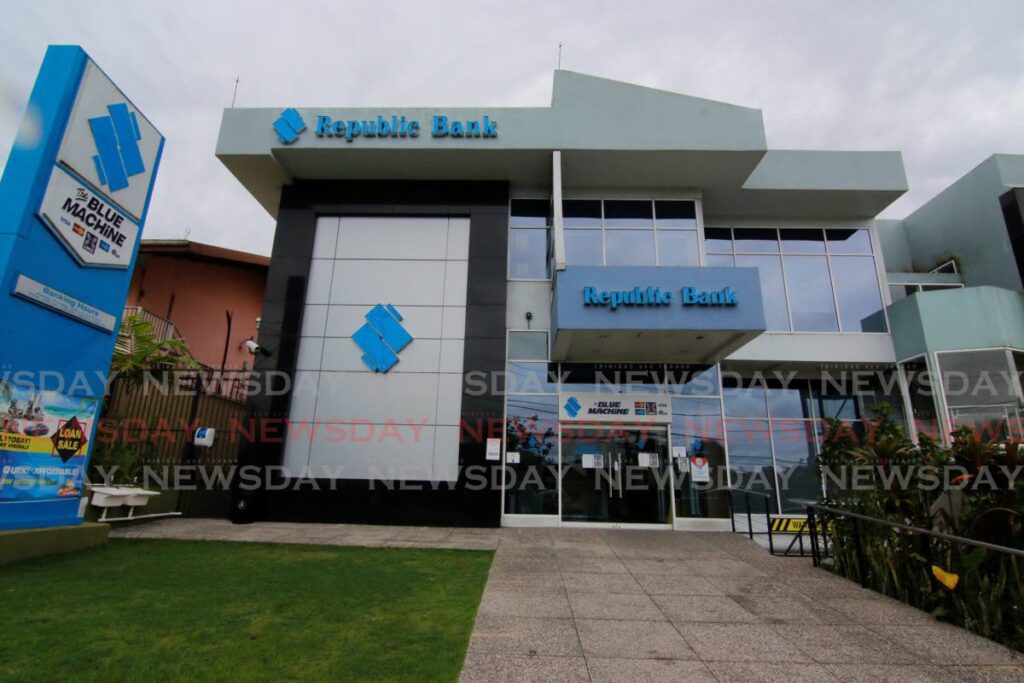
In a significant move consolidating state influence over Trinidad and Tobago’s financial sector, Republic Financial Holdings Ltd has undergone a comprehensive board reconstitution effective December 15. The appointment of Yashmid Karamath as chairman this week finalizes the government’s pledge to assert stronger control over the nation’s most extensive banking network, casting doubt on prospects for banking liberalization.
The leadership transition follows the retirement of former chairman Vincent Perreira, 70, who steered the institution through a period of remarkable financial growth despite customer service complaints. Under Perreira’s tenure from 2020 onward, post-tax profits demonstrated consistent growth: from $1.3 billion in 2021 to $2.2 billion in 2025, while total assets expanded from $109.2 billion to $127.1 billion. This financial performance occurred against the backdrop of pandemic-related economic challenges, though service quality concerns persisted among account holders.
Karamath assumes leadership amidst broader board restructuring triggered by the untimely passing of director Mark Loquan and resignations of Waltnel Sosa and Shameer Mohammed. The newly configured board features several government-backed appointments including Timothy Affonso (public international law expert), Nalini Bansee (legal practitioner), Rhion Karim (security and counter-terrorism specialist), Patricia Mohammed (gender scholar with economics training), Sandra Sookram (economist), and Gregory Armorer (civil attorney). This directorate is mandated to serve a three-year term.
This governance shift aligns with Finance Minister Davendranath Tancoo’s October budget commitment to install a majority director bloc at Republic Bank, echoing similar changes at First Citizens and EximBank. The administration has explicitly stated intentions to collaborate with these financial institutions and the National Insurance Board to fulfill public sector obligations.
Ownership structure analysis reveals substantial government-linked entities hold dominant stakes: National Investment Fund (29.9%), National Insurance Board (18.8%), Trintrust Ltd (7%), and other state-connected holders. This ownership framework, originating from the 2008 Clico bailout, now appears permanently institutionalized under the current administration.
While the new board establishes nominal government oversight with purported operational independence, industry observers express concern regarding this trend’s implications for privatization and competitive banking. The critical question remains whether heightened state involvement will ultimately benefit consumers who continue grappling with service deficiencies, elevated fees, unfavorable interest rates, and foreign exchange scarcity.