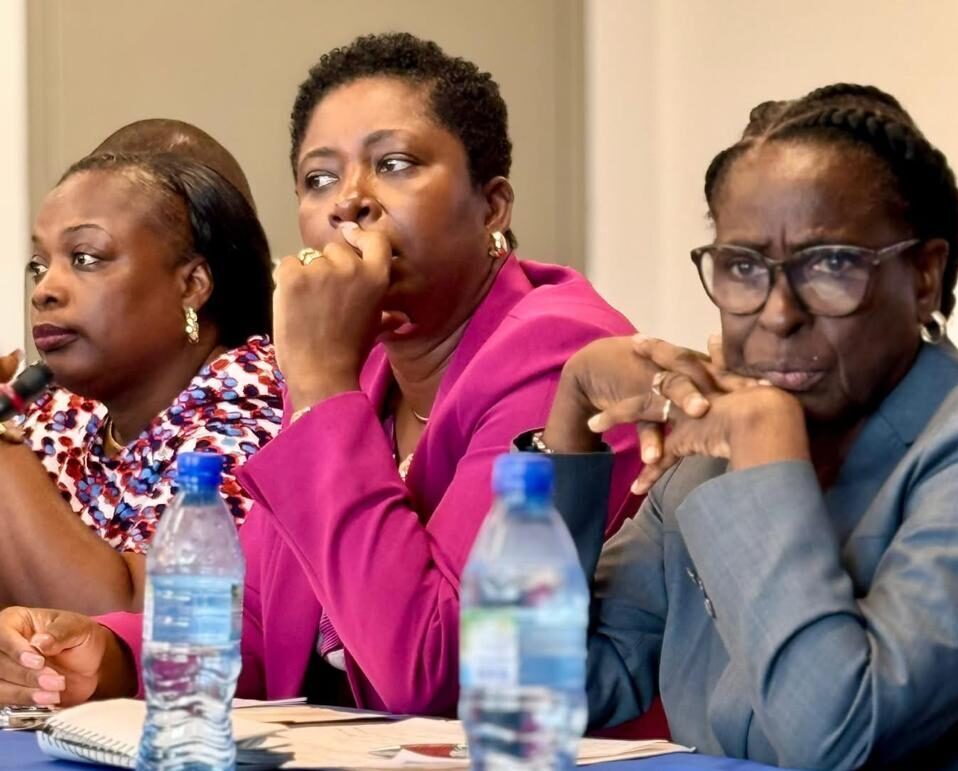
Grenada’s parliamentary oversight mechanisms received significant reinforcement through an awareness seminar conducted for the Public Accounts Committee (PAC) on December 16. Chaired by Opposition Leader Emmalin Pierre, the event brought together PAC members, Audit Department staff, and statutory board representatives to emphasize the committee’s critical role in ensuring governmental financial transparency.
In a virtual address, Anguilla Premier Cora Richardson-Hodge, former opposition leader herself, articulated the PAC’s fundamental purpose: “The Public Accounts Committee is the most important committee of any parliament. Its foundation exists to create greater openness in government finances, based on the belief that transparent budgetary practices ensure public funds are spent as promised while maximizing benefits.”
The seminar clarified that the PAC’s mandate focuses specifically on evaluating the efficiency, effectiveness, and economy of policy implementation rather than questioning policy itself. This distinction underscores the committee’s non-partisan nature despite its composition including opposition members.
Opposition Leader Pierre emphasized the PAC’s unique position within Grenada’s parliamentary democracy: “It is not a partisan body, nor is it an administrative authority. Rather, it is a core oversight mechanism of Parliament, entrusted with safeguarding the public interest by ensuring that public funds are used lawfully, efficiently, and for their intended purposes.”
The committee’s authority derives from Parliament Standing Order 69(1), which establishes its composition of three to five members excluding cabinet ministers, currently including Kate Lewis-Peters and Dr. Clarice Modeste from the Lower House, with Salim Rahaman and Roderick St Clair representing the Upper House.
This seminar followed PAC members’ July 2025 training at the UK Parliament, where they observed actual committee hearings. MP Lewis-Peters highlighted a key learning: “Despite its composition of opposition members and independent senators, the PAC is not a political body. We are here to ensure our taxpayers’ dollars are properly managed through close collaboration with the Auditor General.”
The event reinforced the PAC’s systematic approach: scrutinizing government expenditure, ensuring accountability, making recommendations, and requiring public government responses to findings—ultimately upholding good governance principles in public administration.