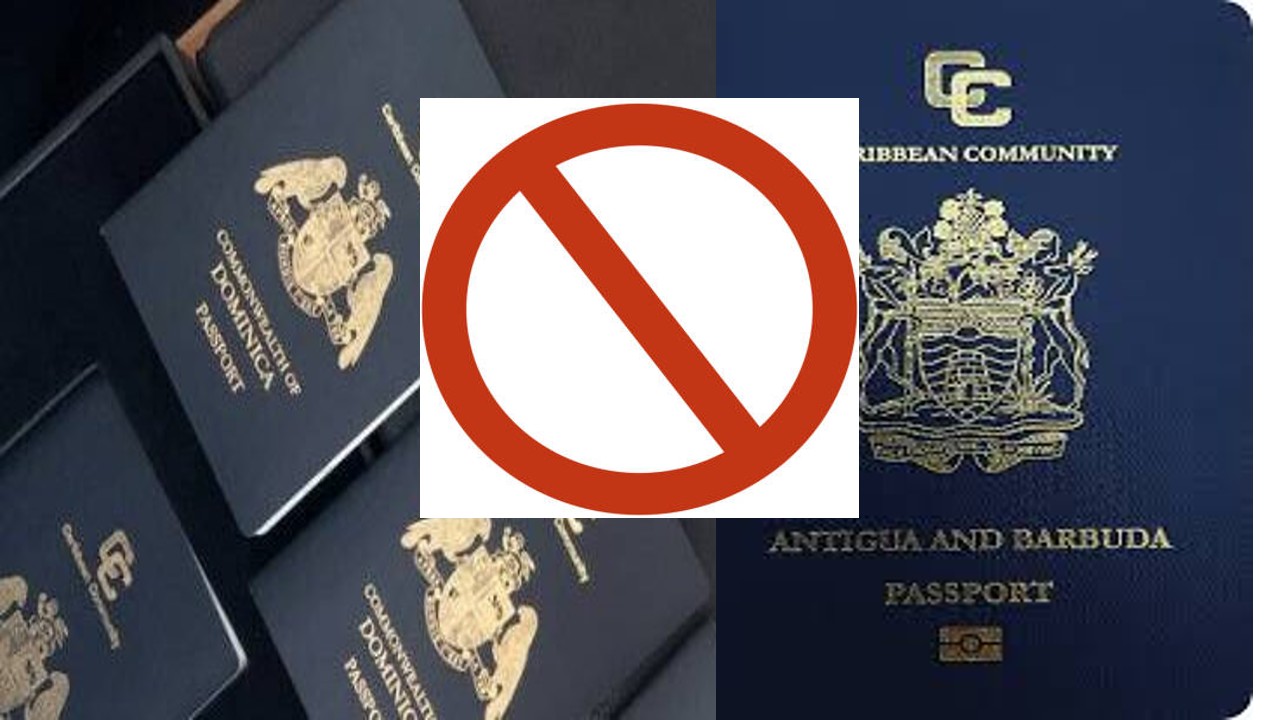
The United States has significantly expanded its travel restriction policies targeting several Caribbean nations, citing substantial national security vulnerabilities. President Donald Trump’s December 16th proclamation adds Dominica and Antigua and Barbuda to existing entry limitations previously imposed on Haiti and Cuba.
The executive order specifically identifies weaknesses in foreign identity-management systems as creating unacceptable risks for American security agencies. According to the document, these deficiencies severely hinder the U.S. government’s ability to conduct thorough vetting procedures for travelers seeking entry into the country.
Haiti continues to face comprehensive entry suspensions covering both immigrant and nonimmigrant travel categories. Cuba maintains its partial restrictions across similar visa classifications. The newly designated nations—Antigua and Barbuda and Dominica—now face specific limitations that bar their nationals from entering the United States as immigrants or on B-1, B-2, B-1/B-2, F, M, and J visas.
A central concern highlighted in the proclamation involves Citizenship-by-Investment (CBI) programs operated by both newly added countries. These initiatives permit individuals to obtain citizenship through financial investment without establishing residency, creating potential pathways for citizens from restricted countries to acquire new passports and apply for U.S. visas under different nationalities.
U.S. law enforcement and State Department assessments have historically identified CBI programs as vulnerable to exploitation, including identity concealment, asset hiding, and circumvention of existing travel and financial restrictions.
Notably exempt from the restrictions are lawful permanent residents, dual nationals traveling on passports from non-designated countries, specific diplomatic and official visa categories, and individuals attending major international sporting events. Refugees and asylees already within the United States also remain exempt, with the proclamation explicitly preserving rights to seek humanitarian protections under U.S. law.
The restrictions will become effective at 12:01 a.m. EST on January 1, 2026, with mandatory reviews scheduled every 180 days to assess whether measures should be continued, modified, or terminated. The U.S. government will concurrently engage with affected nations to improve screening, vetting, and information-sharing protocols.