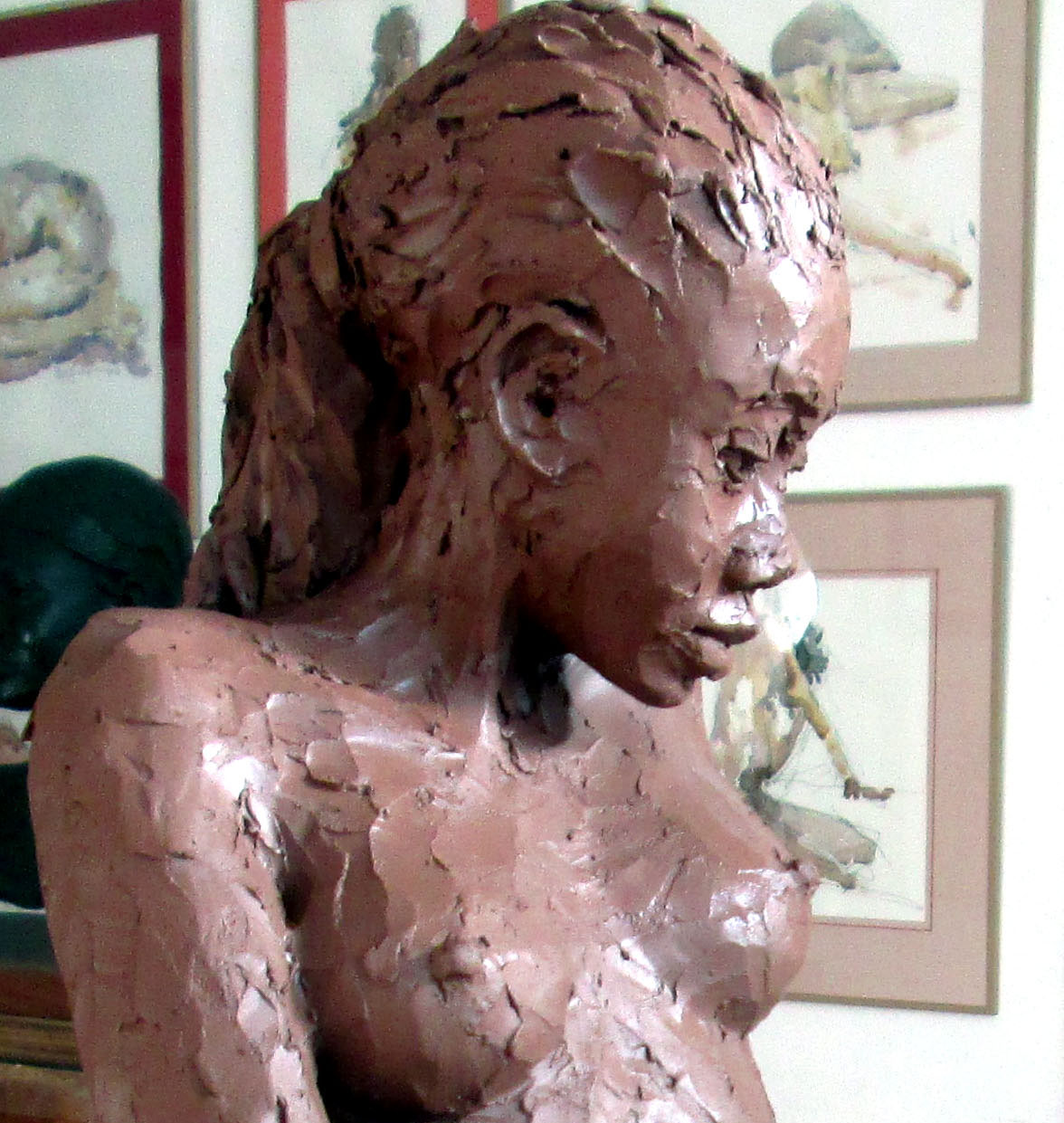
What began as a commission to create a memorial statue for the late Dominican Prime Minister Rosie Douglas has evolved into one of the art world’s most extensive digital archives. British sculptor Jonathan R. Ford, initially invited by Prime Minister Pierre Charles to establish his studio in Dominica, has transformed a canceled bronze monument project into an unprecedented global educational resource.
Despite the abandonment of the life-size bronze sculpture that would have depicted Douglas alongside two local schoolchildren, Ford remained in Dominica. From his Antrim studio, he has cultivated an online presence that now serves over half a million art students, artists, and enthusiasts worldwide—far exceeding the original intent of skill-sharing with Dominicans.
Ford’s digital diary, which predates the modern blog era, represents thirty years of meticulous documentation. Beginning as a means for UK schoolchildren to follow his sculptural commissions, the project has grown into a comprehensive chronicle of artistic creation. The platform now stands as a pioneering force in art education, having transitioned from laborious nightly website updates to becoming one of the web’s most respected art resources.
The multidisciplinary artist—who operates as painter, sculptor, printmaker, publisher, illustrator, stamp designer, writer, filmmaker, engineer, inventor, architect, fashion designer, and craftsman—records every facet of the creative process. His diary offers unprecedented insight into the triumphs and challenges faced by working artists, serving as both inspiration for aspiring creators and valuable teaching aid for educational institutions.
This week marks a significant milestone: the one-thousandth post from Dominica. Over fifteen years, the diary has attracted viewership from art professionals and students across 90 countries. Ford has expanded the project’s reach through twelve published books and twenty-six instructional videos, all accessible through his comprehensive online portal at studiopublications.org/blog.
The archive stands as testament to how traditional artistic practice can successfully transition into the digital age, creating unexpected global connections while maintaining the authenticity of hands-on creative work.