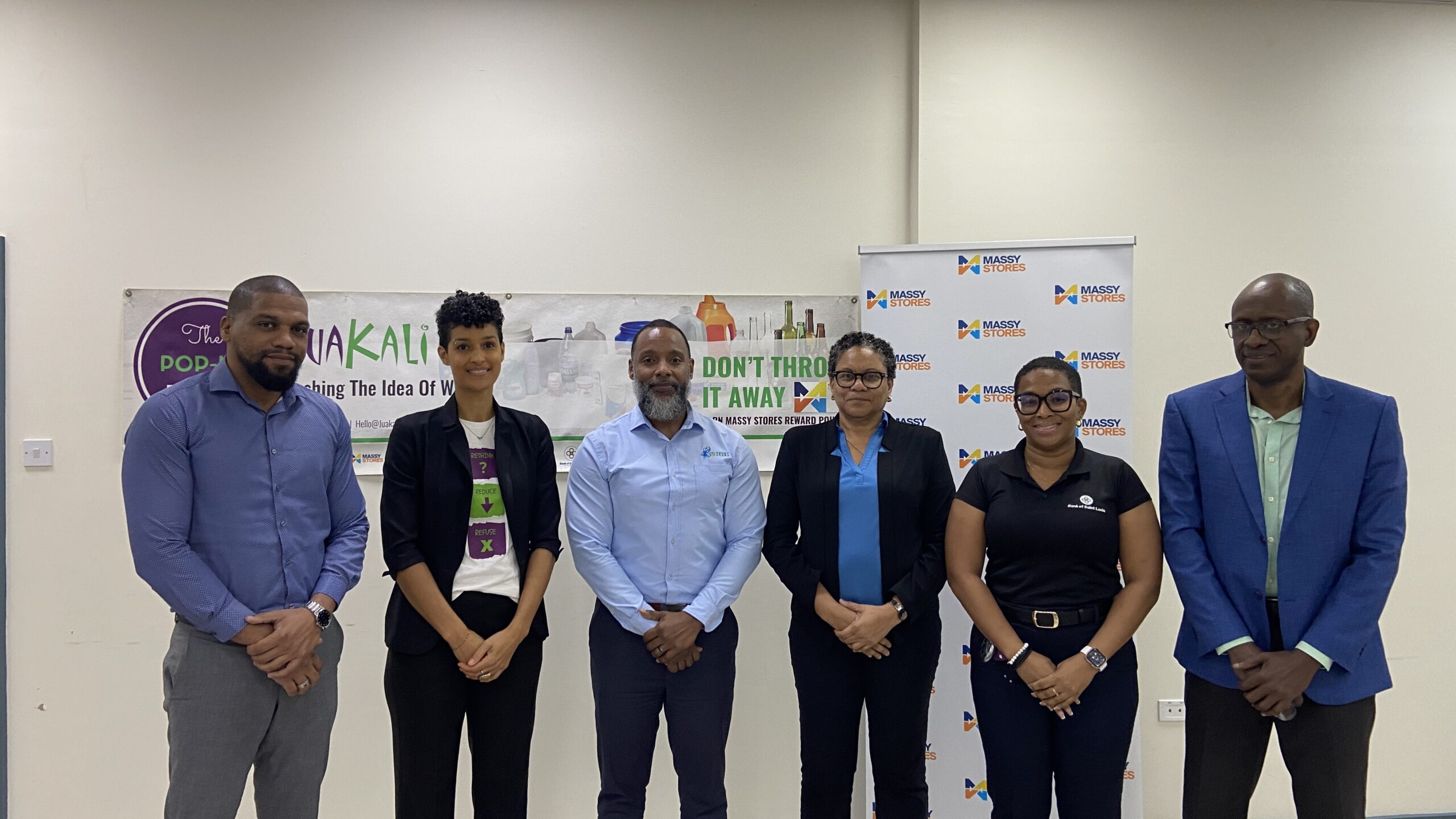
A groundbreaking recycling pilot project in Saint Lucia has demonstrated both the potential and challenges of creating a functional circular economy in the Caribbean region. Spearheaded by social development entrepreneur Laurah John and her company Jua Kali Ltd, the innovative program collaborated with retail giant Massy Stores to tackle the dual crises of waste management and community empowerment.
The initiative, launched in 2014 but recently implemented through a pop-up depot system, established collection points outside Massy Stores where residents could exchange plastic and glass containers for reward points. This incentive-based model successfully collected 32 tonnes of recyclable materials, diverting 24 tonnes from landfills while highlighting critical infrastructure gaps that prevented full utilization of the collected waste.
According to John, the project revealed that behavioral change through incentives is achievable when integrated into daily routines. However, the initiative exposed deeper structural deficiencies, particularly the absence of reliable local markets for recycled materials and inadequate processing infrastructure. Approximately 7.4 tonnes of carefully sorted and prepared materials ultimately reached landfills due to what John described as ‘an incomplete system’ lacking downstream processing capabilities.
Kelly Mitchell, Massy Stores’ Divisional Head of Marketing and Corporate Communications, expressed strong satisfaction with Jua Kali’s performance, emphasizing the company’s commitment to measurable environmental impact. ‘We have very strict KPIs in terms of environmental impact,’ Mitchell stated, noting that the supermarket chain prioritizes partnerships with organizations that share their vision for sustainable development.
The pilot project identified four essential conditions for successful circular economy implementation: effective incentive systems integrated into community routines, decentralized collection systems to reduce transportation costs, reliable local and regional buyers for recycled materials, and shared responsibility among multiple stakeholders.
Building on these insights, Jua Kali is now preparing for an ambitious second phase focused on developing the necessary infrastructure and partnerships. This includes establishing decentralized collection centers with preprocessing capabilities, identifying reliable local manufacturers who can utilize recycled materials, and creating a robust multi-stakeholder partnership model.
John emphasized that true circular economy transformation requires moving beyond small pilot projects toward sustained, impactful solutions that can transform communities while addressing both environmental and social challenges. The initiative represents a significant step toward redefining waste management in the Caribbean while creating economic opportunities for disenfranchised communities.