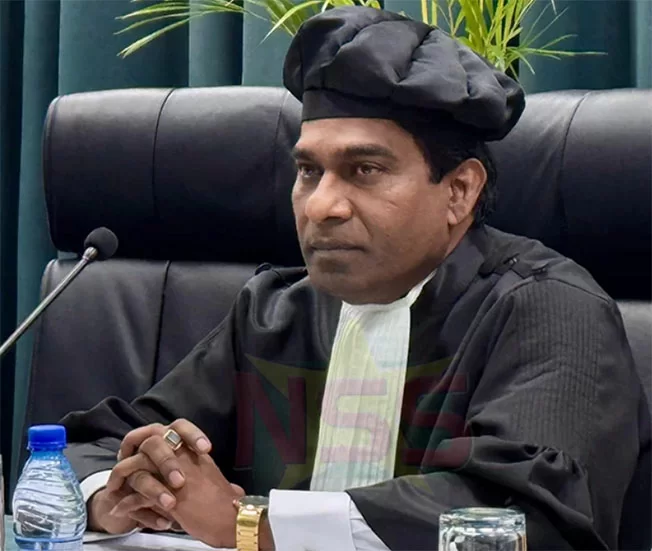
Suriname’s judicial landscape may undergo significant transformation as six parliamentarians have submitted initiative proposals to establish a third-tier cassation court within the country’s legal system. The proposed constitutional amendments, introduced on Thursday, aim to create a Supreme Court or similar high judicial authority, though the current Court of Justice President Iwan Rasoelbaks confirms his institution hasn’t been formally consulted in the legislative drafting process.
President Rasoelbaks clarified that while National Assembly President Jennifer Simons informed him about plans to constitutionally anchor the third instance, substantial consultations regarding implementation details would occur later through secondary regulations. The Court of Justice will thoroughly examine the proposed legislation once formally submitted for judicial review, after which lawmakers will receive comprehensive advisory input.
The judicial leader emphasized the court’s longstanding support for cassation jurisdiction, noting that such reform would enhance legal development and broaden societal legal protection. For several years, the Court of Justice has independently researched possibilities through a specialized task force comprising local and international experts. This think tank produced two comprehensive options presented earlier this month to both the National Assembly and the President, with reports publicly available on the court’s website for transparent public access.
The proposed models include conditional accession to the Caribbean Court of Justice’s appellate jurisdiction with a civil law chamber, or alternatively, establishing a domestic Supreme Court grounded in civil law tradition. Rasoelbaks stressed that any future cassation court wouldn’t function as a factual instance but would focus exclusively on reviewing proper legal application, while the Court of Justice would maintain its position as Suriname’s highest factual jurisdiction.
Three of the four submitted initiatives concern constitutional modifications to judicial organization, with the fourth addressing the judicial branch’s legal status. This separation of competencies between factual and cassation jurisdictions aims to foster credible, thorough jurisprudence and legal evolution, according to the Court President.