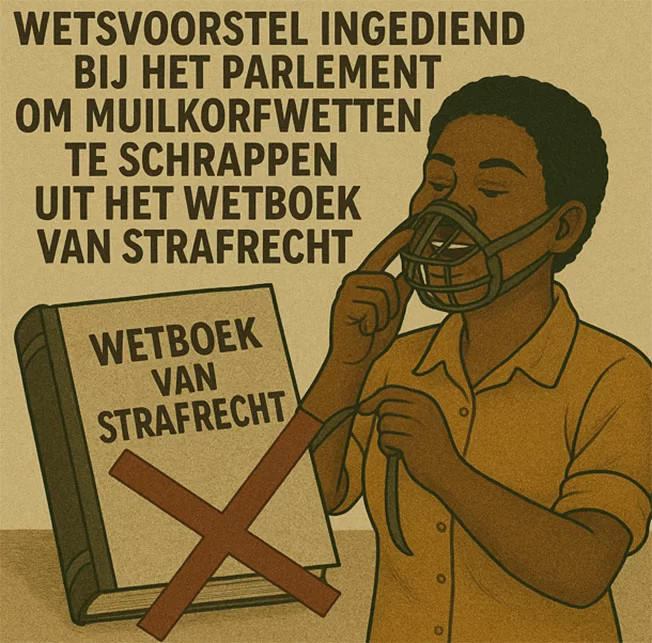
A landmark legislative initiative currently before Suriname’s National Assembly proposes the comprehensive elimination of eight controversial articles from the country’s Criminal Code. Submitted in March 2022 by assembly members Ebu Jones and Tashana Lôsche, the bill targets provisions widely criticized as suppressing free speech and political dissent.
The targeted statutes—Articles 152, 153, 154, 157, 158, 159, 173, and 174—criminalize various forms of expression including insult, undermining state authority, and criticism of public officials. Proponents argue these colonial-era provisions fundamentally contradict both Suriname’s constitutional free speech protections under Article 19 and its international human rights commitments, particularly the American Convention on Human Rights and the Universal Declaration of Human Rights.
In their explanatory memorandum, the legislators characterize freedom of expression as the ‘cornerstone of a free and democratic society,’ asserting that without robust protections for critical speech, genuine democratic governance remains unattainable. The proposed reforms aim to align Suriname’s legal framework with its democratic aspirations by preventing the criminal justice system from being weaponized against political opponents or dissenters.
Civil society organizations including the Surinamese Association of Journalists have long documented the chilling effect these provisions exert on public discourse. Media professionals, activists, and ordinary citizens reportedly self-censor due to fears of prosecution, particularly during periods of political tension. The legislation’s prolonged stagnation since March 2022 raises questions about parliamentary commitment to fundamental rights reform amid ongoing national debates about democratic renewal and rule of law.
If adopted, the law would take immediate effect upon promulgation, marking a historic shift toward a legal system that protects rather than punishes free expression. The Assembly now faces a defining choice: embrace reforms befitting a modern democracy or maintain a legal framework that keeps free expression under perpetual threat of criminal prosecution.