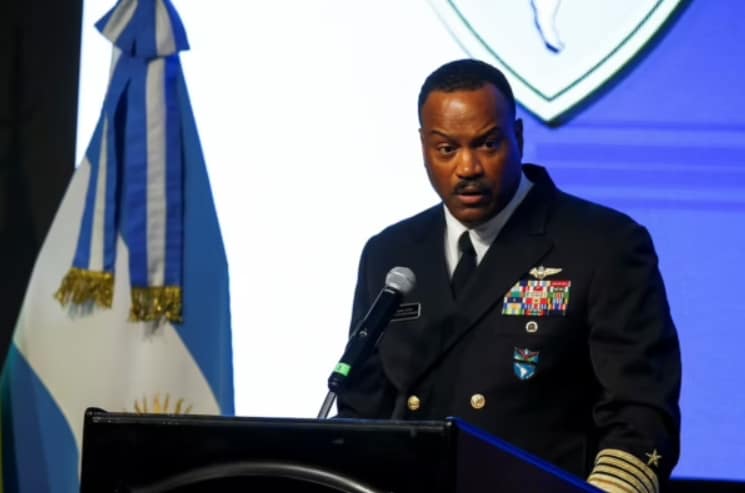
In a significant shakeup within the U.S. military’s leadership structure, Admiral Alvin Holsey has been compelled to retire two years ahead of schedule from his position as head of U.S. Southern Command. The unexpected departure, confirmed by multiple defense officials, comes amid escalating tensions with Venezuela and follows a series of controversial military operations in the Caribbean region.
Defense Secretary Pete Hegseth reportedly orchestrated the admiral’s removal due to growing frustrations with the command’s operational approach in Latin America. The leadership change occurs against the backdrop of intensified U.S. naval presence and increased strikes against suspected drug-smuggling vessels, including the recent seizure of a Venezuelan oil tanker and more than twenty deadly engagements with alleged narcotics traffickers.
Despite speculation that Holsey opposed the aggressive tactics, the retiring admiral maintained that his decision was unrelated to operational matters. During his farewell ceremony in Miami, Holsey reflected positively on his 37-year career while emphasizing the importance of supporting democratic allies who share American values of rule of law and human rights.
Air Force Lieutenant General Evan Pettus has assumed command temporarily as acting head. Meanwhile, sources indicate that President Trump intends to nominate Lieutenant General Frank Donovan, currently vice commander of U.S. Special Operations Command, as Holsey’s permanent replacement, pending Senate confirmation.
This leadership transition reflects broader strategic shifts in U.S. foreign policy toward Latin America. The Trump administration has signaled a revival of the Monroe Doctrine doctrine through increased military presence, training deployments in Panama, and heightened pressure on Venezuelan President Nicolas Maduro, whom Washington accuses of drug trafficking.
The administration’s aggressive stance has raised legal and ethical concerns, particularly regarding rules of engagement. The Defense Department’s Law of War Manual explicitly prohibits attacks on incapacitated or shipwrecked combatants, creating potential conflicts with the current operational approach against alleged drug cartels.