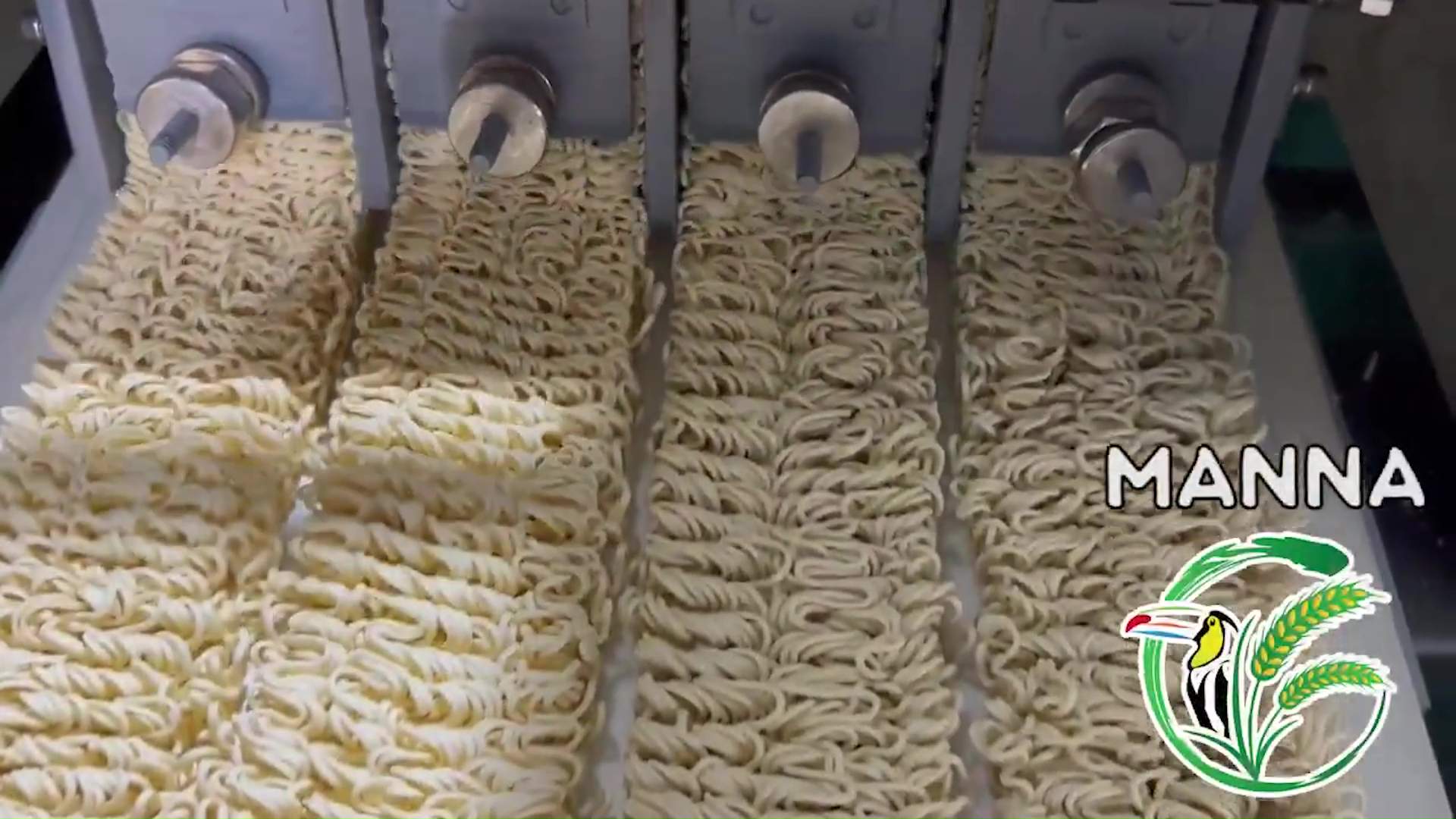
The Belizean government has enacted a significant trade policy shift by implementing a twenty-percent import tariff on foreign-made soups and broths, with ramen noodles being the primary target. This strategic move, championed by Prime Minister John Briceño’s administration, is designed to bolster the domestic market position of the locally manufactured ‘Manna’ noodles, produced by the Caribbean Organic Food Stuff Company—the same entity behind the popular Mine Beer and Manna flour.
Prime Minister Briceño defended the policy, framing it as essential economic protectionism. He clarified that the tariff is not a defensive measure against imports but a proactive initiative to safeguard Belizean production. Contrary to assumptions, Briceño asserted that the local alternative is already priced more competitively than its imported counterparts. The policy received the necessary approvals through Cabinet and CARICOM, in alignment with the Single Market Economy protocols to which Belize is a signatory.
However, the policy has drawn sharp criticism from opposition leader Tracy Panton. While she expressed support for the government’s broader objective of empowering local food processors, she vehemently questioned the choice of product. Panton condemned ramen noodles as ‘the worst food on the market’ and ‘the food of choice for the working poor,’ arguing that the policy inadvertently promotes an unhealthy dietary staple. She challenged the administration to instead create frameworks that enable local producers to compete with nutritious, affordable food options that support public health and wellness.