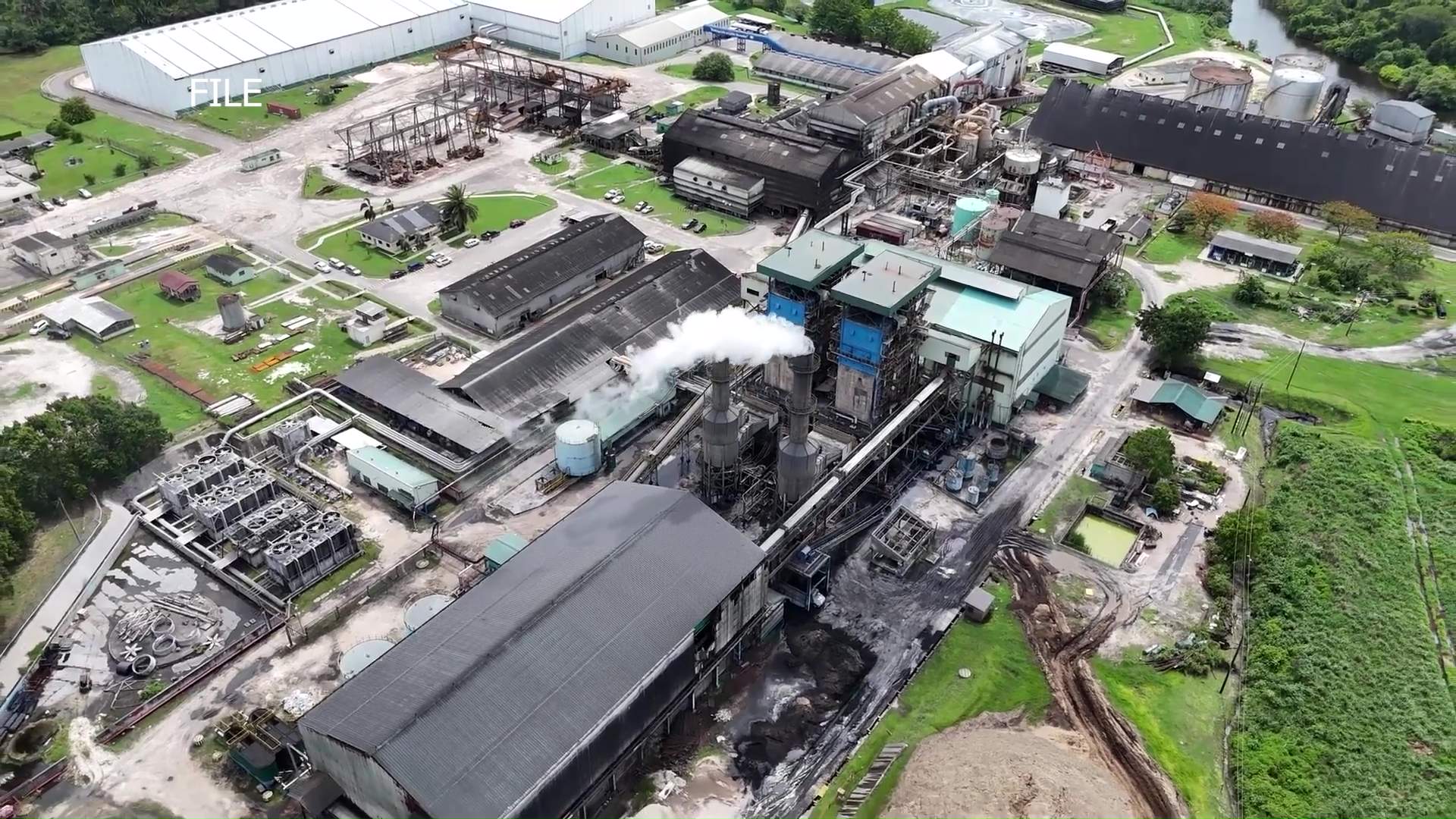
The Belize sugar industry stands at a pivotal crossroads as negotiations between cane farmers and processing mills approach a critical phase. With the harvesting season imminent, stakeholders are working to resolve a fundamental disagreement over contract duration that could determine the sector’s stability for years to come.
Belize Sugar Industries Limited (BSI), the primary processing facility, has proposed a seven-year commercial agreement seeking long-term operational certainty. This position contrasts sharply with the Belize Sugar Cane Farmers Association (BSCFA), which reports its members have unequivocally mandated leadership to accept no arrangement exceeding three years.
Association Chairman Salvador Martin emphasized the farmers’ position: “Our membership has clearly expressed the need for a safe crop window of two to three years during our general meeting. This directive has been formally communicated to BSI-ASR, and we await their response.”
The disagreement occurs against a backdrop of historical tensions that have previously led to operational standoffs and production shutdowns. Both parties now appear more motivated than in previous years to find common ground and avoid further disruption to the economically vital industry.
Vice Chairman Alfredo Ortega noted the historical context, explaining that three-year agreements with rollover provisions had been customary practice in the past. “Our farmers specifically instructed us not to exceed this traditional timeframe unless renegotiation clauses are invoked by either party,” Ortega stated.
The association leadership has characterized the current situation as having “the ball in the factory’s court,” indicating they’ve fulfilled their procedural obligations by submitting the farmers’ position in writing. The industry now awaits BSI’s response, which will determine whether the parties can bridge their differences or face another potentially damaging impasse.
The outcome carries significant implications for Belize’s agricultural economy, as sugar production remains a cornerstone of rural employment and export revenue. The resolution of this contractual dispute will directly affect harvesting schedules, international export commitments, and the financial stability of thousands of farming families.