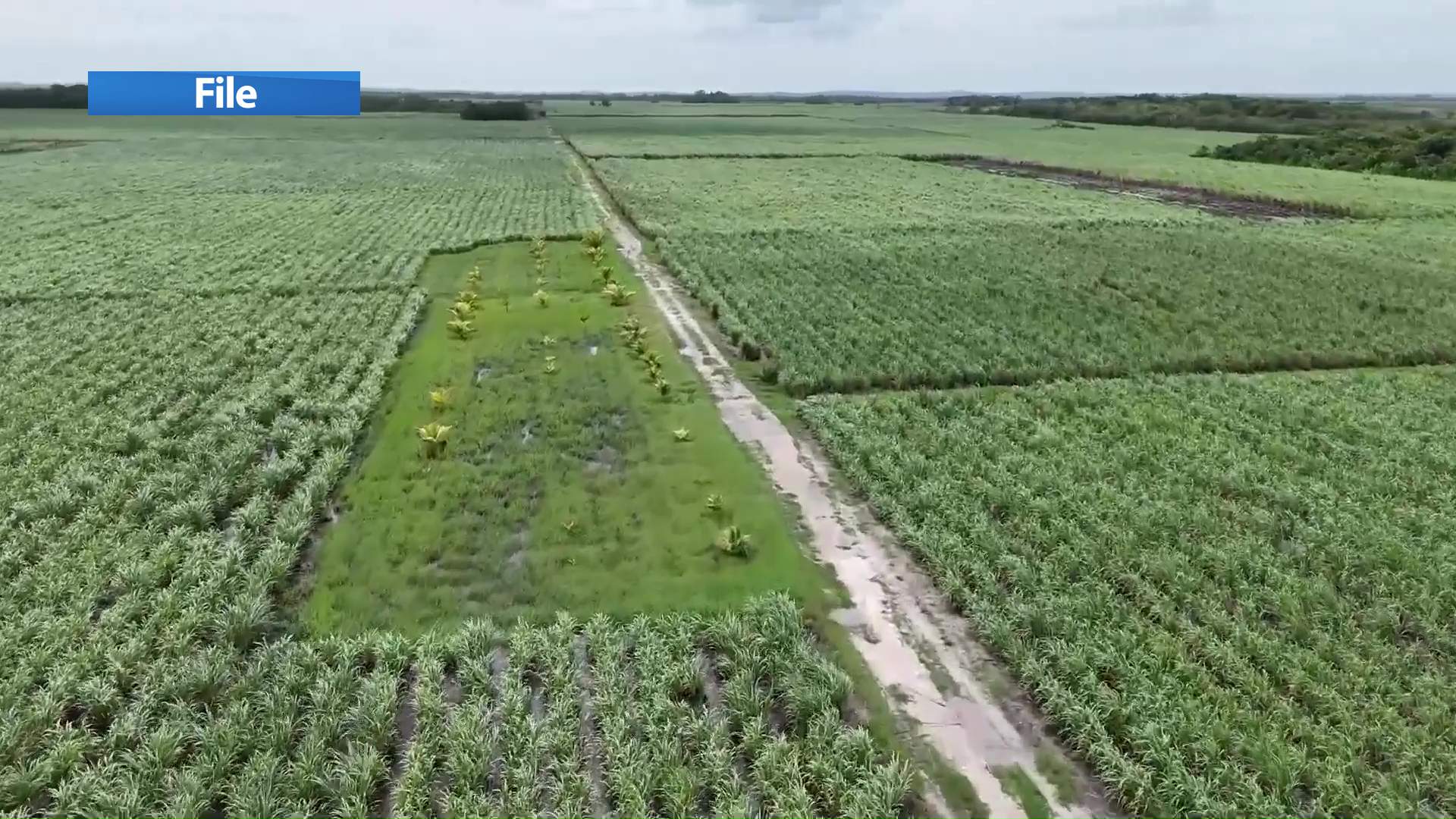
In northern Belize, the postponed commencement of the sugar harvesting period is creating a complex scenario of economic hardship and potential agricultural benefits. The delay, impacting numerous cane farming families reliant on December revenues for holiday expenses, presents a dual reality of immediate financial strain against long-term operational advantages.
Industry representatives characterize the situation as possessing both positive and negative dimensions. While the absence of early cash flow creates significant Christmas season difficulties for agricultural families and local businesses, the additional time permits recovery of weather-damaged fields and allows milling facilities to complete essential maintenance.
Alfredo Ortega, Vice-Chairman of the Belize Sugarcane Farmers Association, confirmed the industry’s operational unreadiness, noting that extended preparation could ultimately strengthen both farming and milling operations. Ortega emphasized the broader community impact, stating that delayed crop initiation affects regional economic circulation beyond the agricultural sector.
Association Chairman Salvador Martin identified multiple challenges affecting cultivation readiness, including fusarium fungal infections, persistent drought conditions, and pest infestations throughout the farming region. Martin indicated mid-January as a potential timeframe for improved conditions, expressing hope for more favorable operational circumstances.
The delayed season timing may yield mutual benefits according to stakeholders. Ortega explained that mill maintenance requirements align with farmers’ needs for extended preparation periods following disappointing third payment distributions in previous cycles. This unexpected additional time enables reinvestment in replanting efforts and improved crop management strategies throughout the cultivation region.