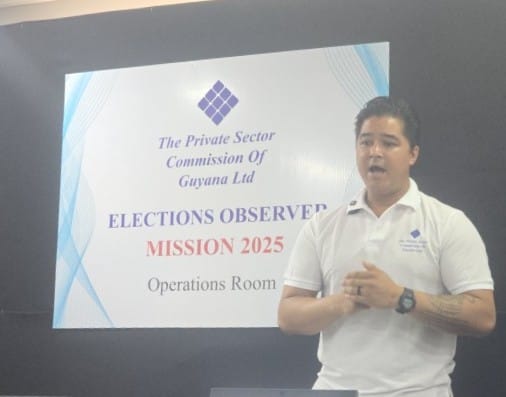
In a significant development for Guyana’s electoral integrity, the nation’s foremost business consortium has proposed a novel approach to campaign finance regulation that stops short of immediate legislation. The Private Sector Commission (PSC), chaired by Captain Gerry Gouveia Jr., has released its comprehensive election observer report following the September 1 general and regional elections, calling for structured national dialogue rather than statutory mandates.
The PSC’s position paper emphasizes a methodical examination of international best practices through a specialized working group. This proposed body would scrutinize disclosure requirements, reporting timelines, expenditure ceilings, and oversight mechanisms tailored to Guyana’s unique political environment. Notably, the commission explicitly stated that it “does not advocate a specific legislative design at this stage,” instead favoring the development of “fair, transparent, and enforceable standards” through consensus-building.
This stance emerges amid decades of international observer missions consistently highlighting the absence of campaign finance legislation. Current regulations under the Representation of the People Act require parties to report expenses to the Chief Elections Officer, yet compliance remains nonexistent without stipulated penalties.
The commission’s position aligns remarkably with the ruling People’s Progressive Party Civic (PPPC) and opposition A Partnership for National Unity’s parent party, both of which historically resisted donor disclosure mandates. The PSC further contended that government officials’ media appearances during official duties should not constitute political campaigning, asserting that any resultant advantage merely reflects “the benefit of incumbency.”
However, the report acknowledged concerns regarding state-owned media’s electoral role, noting that using public broadcast platforms for partisan advantage “directly compromises electoral fairness”—a matter the commission recommends addressing in future elections without providing specific remedies.
The PSC’s recommendations have sparked discussions about the organization’s perceived alignment with the incumbent administration, even as it attempts to navigate the complex terrain of political finance reform through collaborative rather than coercive means.