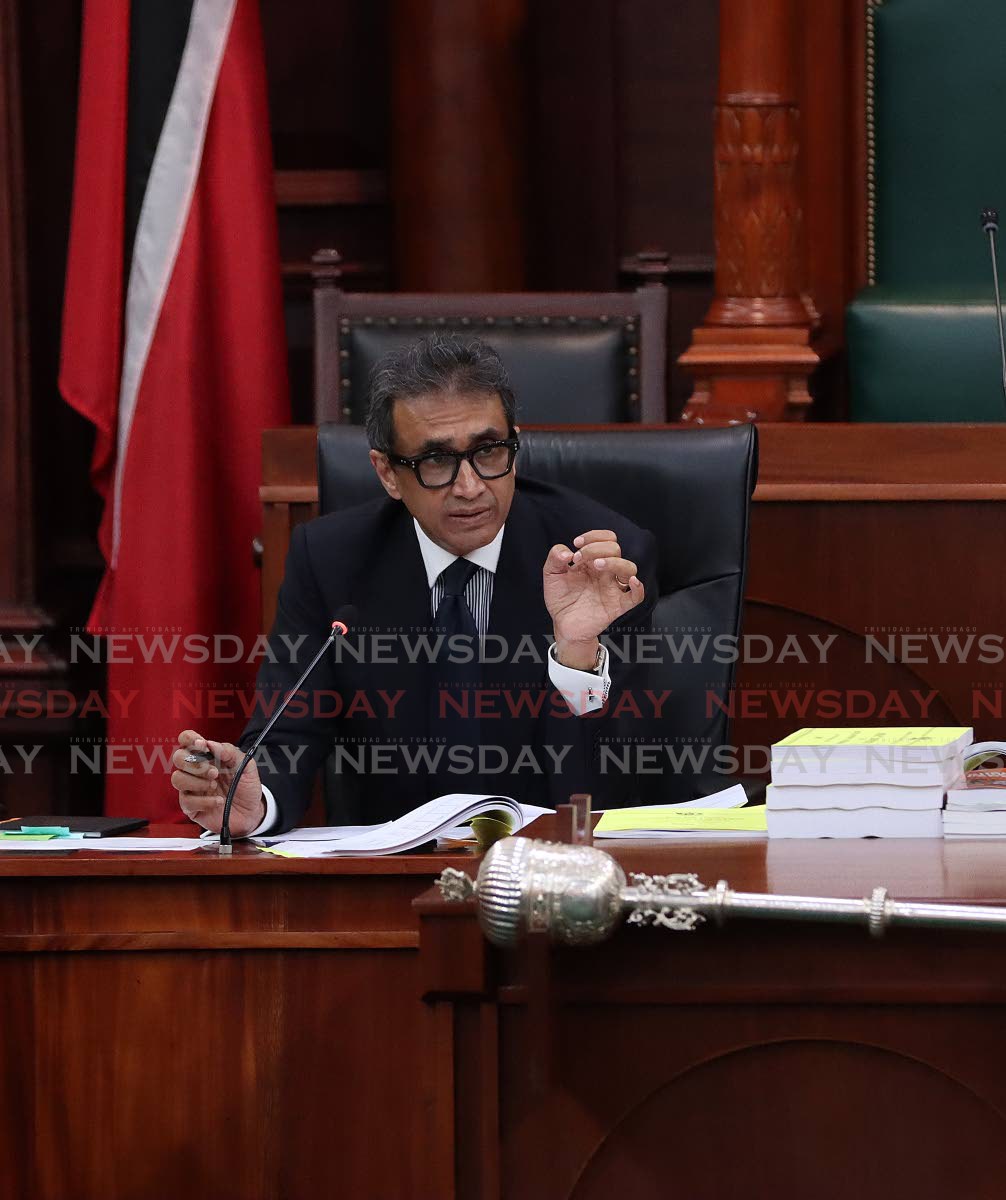
For the second time in recent weeks, Trinidad and Tobago’s parliamentary proceedings have descended into acrimony as the ruling United National Congress (UNC) government abruptly terminated debate on the Finance Bill 2025, effectively silencing opposition voices. The controversial move last Friday prevented several members of the opposition People’s National Movement (PNM) from contributing to crucial financial discussions, marking a significant departure from established parliamentary conventions.
The traditional practice in such debates involves the chief whip formally indicating speaking arrangements to the government business leader, with this information typically communicated to the Speaker of the House, Jagdeo Singh. The unilateral closure of debate while opposition members remained prepared to speak represents what critics are calling a dangerous erosion of democratic norms.
This incident mirrors similar tactics employed during the 2025/2026 budget debate approximately one month ago, suggesting a pattern of behavior that contradicts the UNC’s previous commitments to transparency and accountability while in opposition. Political analysts note that these actions fundamentally undermine the very democratic principles that propelled the UNC into power.
The government’s apparent reluctance to subject its financial policies to opposition scrutiny has raised questions about its confidence in handling economic matters. Despite holding a commanding majority of 28 Members of Parliament versus the PNM’s 13, the UNC appears increasingly defensive when confronting opposition financial expertise.
Notable PNM figures including Colm Imbert (Diego Martin North/East), Brian Manning (San Fernando East), Stuart Young (Port of Spain North/St Ann’s West), Marvin Gonzales (Arouca/Lopinot), and Dominic Romain (Malabar/Musica) have consistently demonstrated superior preparedness in financial debates, frequently exposing what critics describe as governmental “political chicanery” during finance committee meetings.
The ongoing parliamentary tensions suggest that meaningful political discourse has shifted from the parliamentary floor to what correspondent Harry Partap characterizes as “the trenches out there,” indicating diminished expectations for fair procedural treatment from the Speaker’s chair.