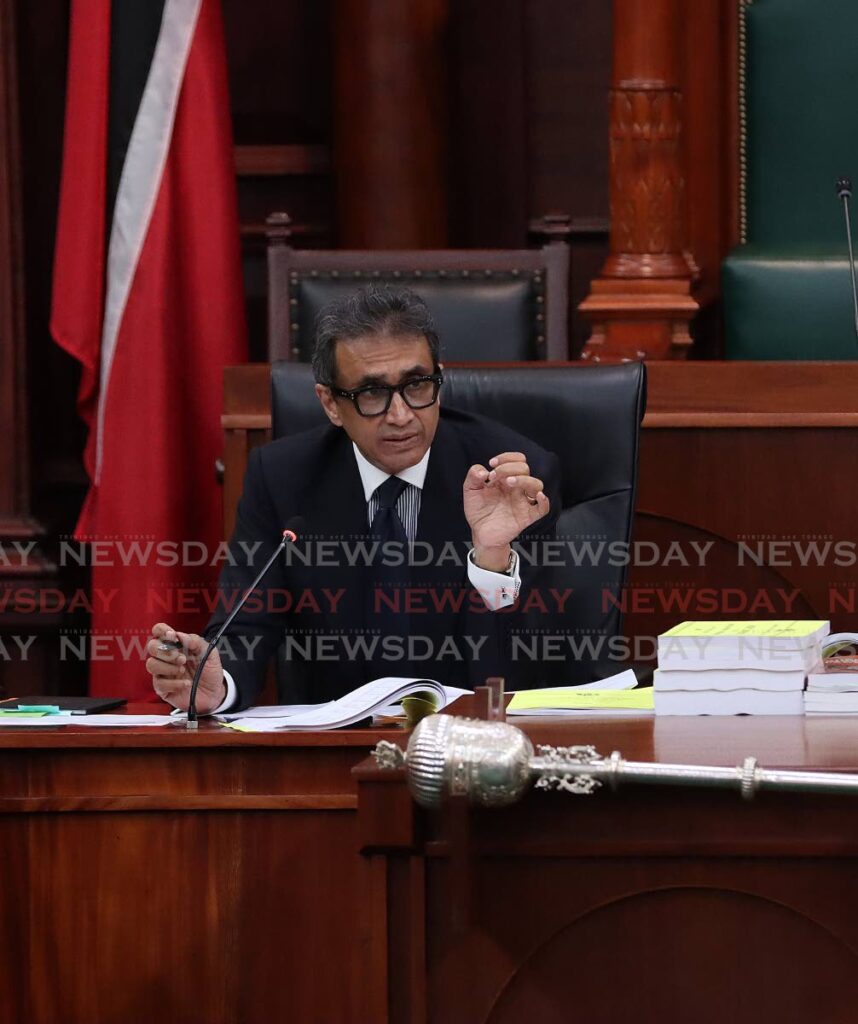
For the second time in recent weeks, Trinidad and Tobago’s parliamentary proceedings have been marked by controversy as the ruling United National Congress (UNC) government abruptly terminated debate on critical financial legislation. The Finance Bill 2025 discussion was cut short last Friday despite opposition members from the People’s National Movement (PNM) awaiting their turn to speak.
This procedural maneuver represents a significant departure from established parliamentary conventions, where the chief whip typically communicates speaking arrangements to both government business leaders and the Speaker. The unexpected closure of debate has raised serious concerns about democratic transparency within the nation’s highest legislative body.
The current administration’s actions mirror similar tactics employed during the 2025/2026 budget debate approximately one month prior. These developments appear particularly contradictory given the UNC’s historical emphasis on governmental accountability while previously serving in opposition roles.
Political analysts suggest these maneuvers indicate the UNC’s apparent reluctance to subject its financial policies to rigorous opposition scrutiny. Despite holding a substantial majority with 28 Members of Parliament versus the PNM’s 13 representatives, the governing party appears cautious when confronting the opposition’s financially astute members.
The PNM’s effective performance during last month’s finance committee meeting, where they challenged numerous governmental financial approaches, may have contributed to the UNC’s defensive parliamentary strategy. Prominent PNM figures including Colm Imbert (Diego Martin North/East), Brian Manning (San Fernando East), Stuart Young (Port of Spain North/St Ann’s West), Marvin Gonzales (Arouca/Lopinot) and Dominic Romain (Malabar/Musica) have demonstrated particular proficiency in financial matters.
Observers note that the ongoing parliamentary tensions reflect deeper political divisions, with the opposition receiving no procedural assistance from the Speaker’s chair, effectively shifting the political battleground beyond the parliamentary floor.