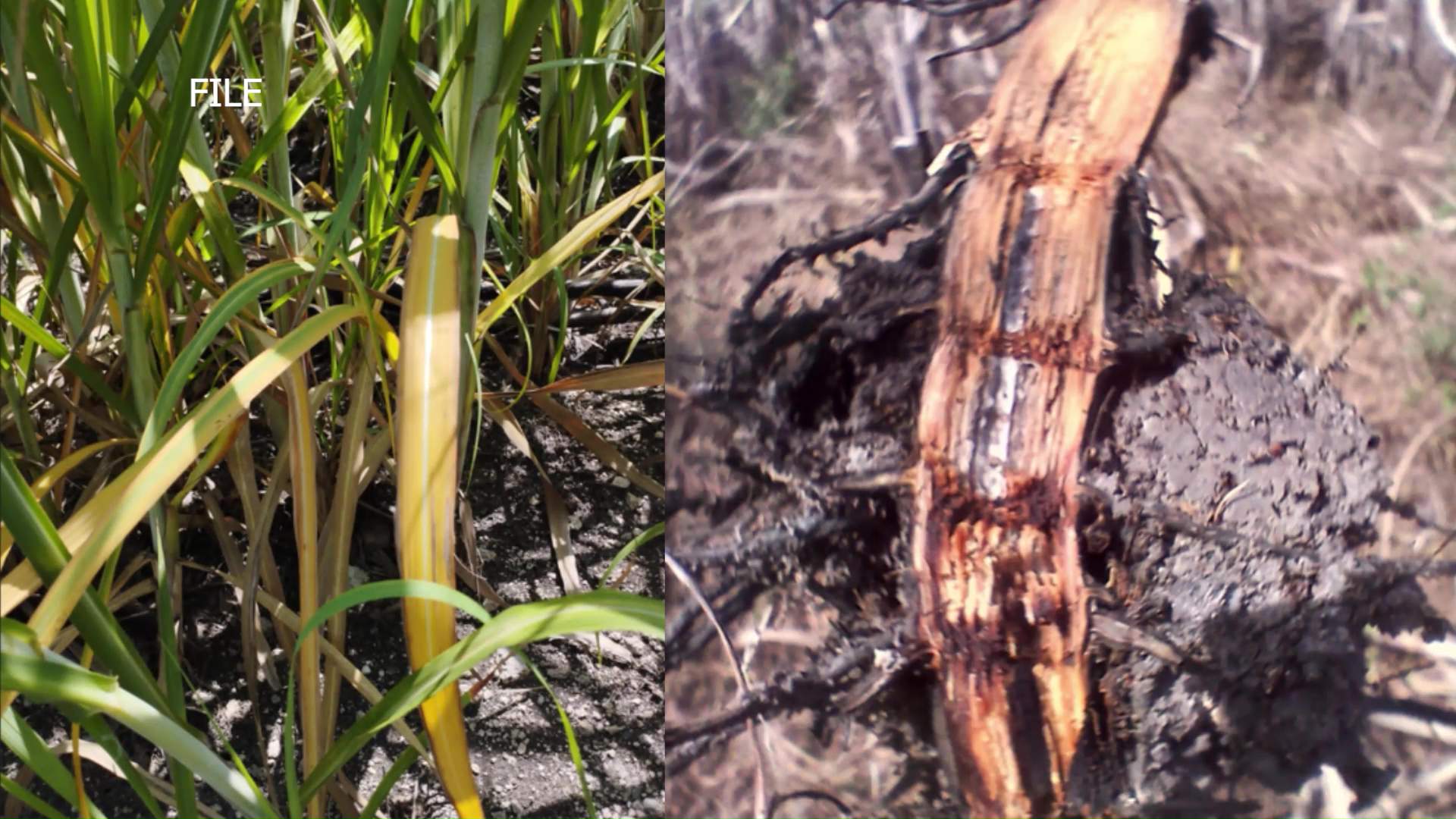
The global sugar industry is confronting severe production challenges as extreme weather patterns and aggressive pest infestations converge to create one of the most difficult growing seasons in recent memory. According to Marcos Osorio, Chairman of the Sugar Industry Control Board, northern sugar cane districts are experiencing substantial delays and diminished crop quality that will significantly impact this year’s harvest.
Agricultural experts report that the cumulative effect of post-harvest climate conditions, combined with widespread Mealybug infestations and Fusarium wilt disease, has severely impeded normal cane development. Fields that underwent harvesting in the initial half of the season demonstrate notably stunted growth compared to previous years, with many plants failing to reach adequate maturity levels.
The crisis manifests through multiple indicators: reduced cane stocks per linear meter, decreased tonnage per acre, and compromised crop quality due to persistent rainfall and disease proliferation. The industry’s concerns are compounded by recent weeks of excessive precipitation that have further deteriorated field conditions and hindered recovery efforts.
Agricultural authorities now urgently await drier weather patterns, including potential cold fronts, to accelerate drying processes across affected regions. These conditions would potentially facilitate improved cane maturation and partially mitigate the current quality deficiencies. The industry faces a compressed harvesting window with diminished yields, creating economic pressures throughout the sugar production chain from field to market.