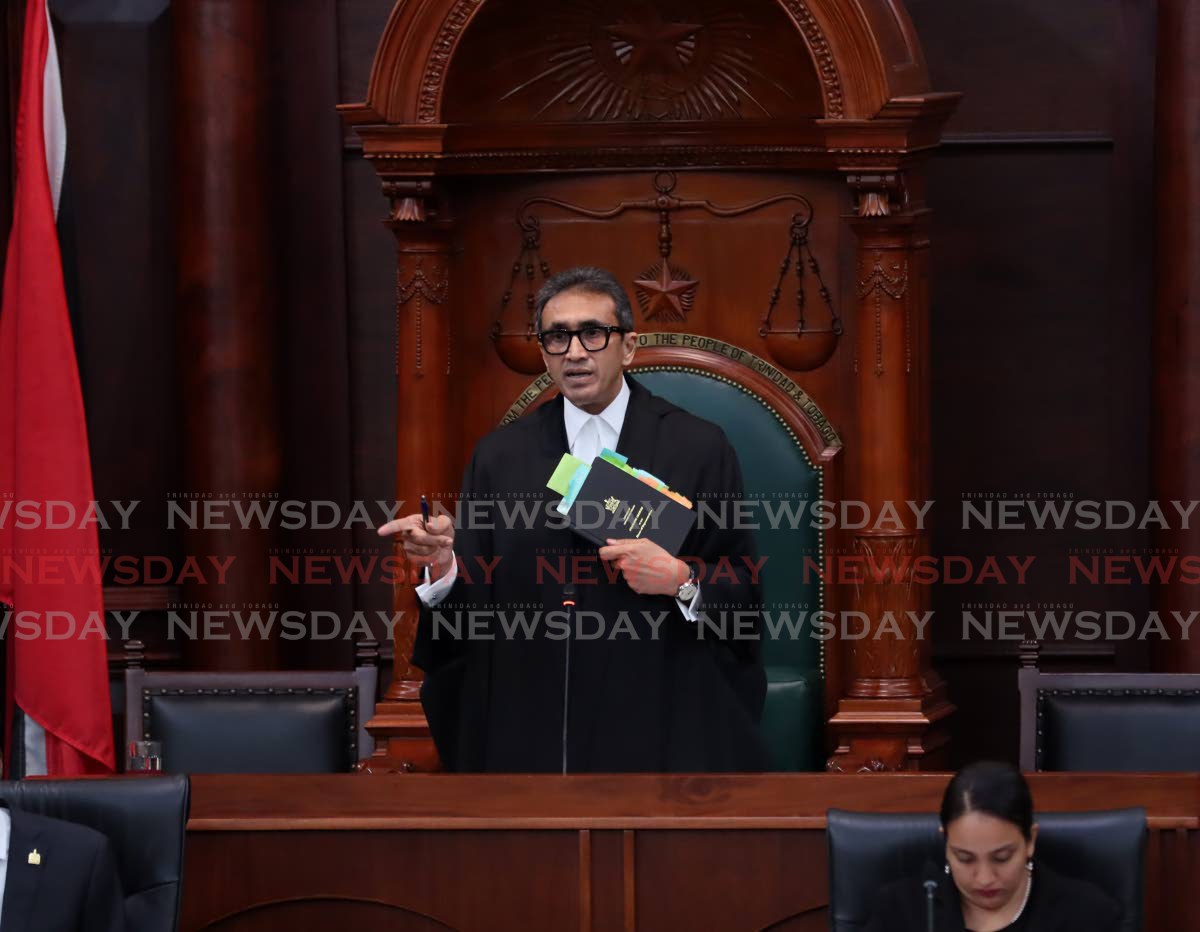
In a landmark ruling that has significant implications for parliamentary conduct standards, House Speaker Jagdeo Singh has dismissed multiple privilege complaints against Trinidad and Tobago’s political leadership, declaring one key motion against Prime Minister Kamla Persad-Bissessar ‘stillborn.’
The Speaker’s comprehensive decision, delivered during the December 9 parliamentary session, addressed three separate privilege motions filed by opposition members following heated exchanges in the November 21 sitting.
Central to the ruling was the complaint brought by Diego Martin North/East MP Colm Imbert against Prime Minister Persad-Bissessar. The controversy stemmed from an exchange where the PM told Imbert to ‘stop pointing at me,’ to which he responded ‘Why not?’ before Persad-Bissessar retorted, ‘Because I will cuff you down.’
Speaker Singh invoked UK parliamentary precedent, emphasizing that privilege powers should only be exercised to protect members from ‘substantial interference’ with their official duties. He determined that the exchange constituted ‘light-hearted banter’ rather than a genuine threat, noting that laughter followed the interaction and no point of order was raised at the time.
‘The personal view of the member was irrelevant,’ Singh stated, adding that ‘mere words in themselves do not, ipso facto, constitute a breach of privilege.’
The Speaker also dismissed a complaint by Arouca/Lopinot MP Marvin Gonzales based on alleged unparliamentary language from background audio in social media footage. Singh criticized the evidentiary standards, noting the absence of official Hansard records and the failure to raise objections during the actual proceedings.
A third complaint by Couva South MP Barry Padarath alleging harassment was deemed ‘devoid of merit altogether’ for failing to meet procedural requirements.
Singh expressed concern about the potential floodgates of ‘frivolous complaints’ if evidentiary standards were lowered, warning against allowing external parties to ‘scour every single second of parliamentary time for hot mic conversations.’
The Speaker concluded with a call for heightened decorum, urging members to ‘exemplify productive and respectful debate’ and reminding them to turn off microphones during private conversations to avoid future controversies.