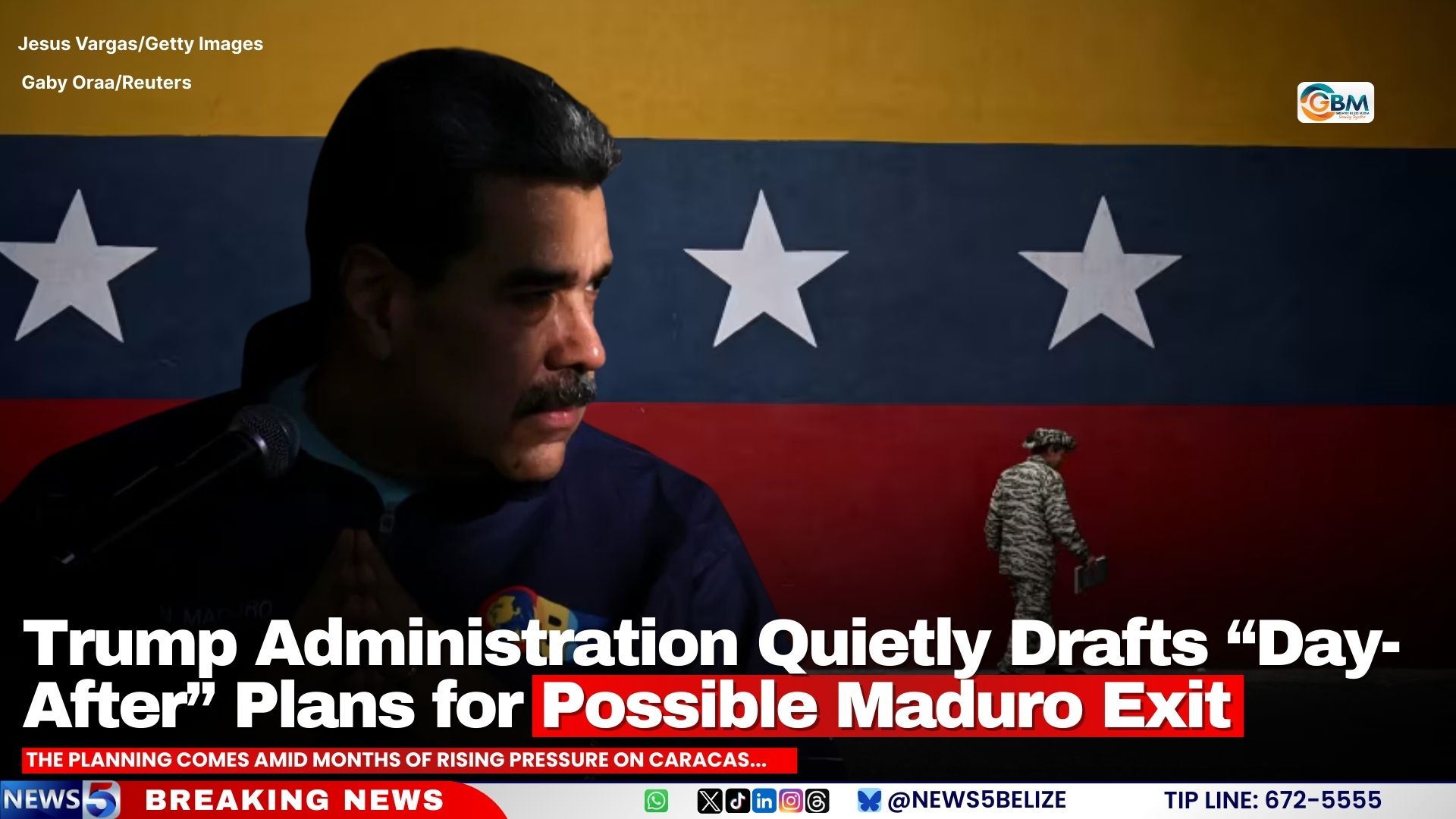
The Trump administration is currently developing confidential contingency strategies addressing potential political transitions in Venezuela, should President Nicolás Maduro be ousted from power. According to senior officials with direct knowledge of the deliberations, these plans encompass multiple scenarios for stabilizing the South American nation following Maduro’s potential departure—whether through negotiated settlement or military intervention.
This strategic planning coincides with escalating pressure on Caracas, characterized by the deployment of thousands of U.S. military personnel and a carrier strike group to the Caribbean region. While publicly maintaining that these movements target narcotics trafficking, internal documents reveal broader considerations regarding Maduro’s removal from office.
Despite President Trump’s characteristically assertive rhetoric, administration officials indicate reluctance toward committing to extensive military engagement. Instead, preparatory measures focus on graduated response options, including economic stabilization packages, security assistance, and limited post-conflict support infrastructure.
In a significant development, Trump reportedly issued a direct ultimatum to Maduro during recent communications, explicitly advising the Venezuelan leader that stepping aside would serve his best interests. Concurrently, U.S. officials have engaged with Venezuelan opposition leaders María Corina Machado and Edmundo González—the latter having received formal recognition as Venezuela’s legitimate president by the Trump administration. These opposition figures have developed detailed transition frameworks, including comprehensive “100-hour” and “100-day” plans for governance restructuring, which have been shared with American policymakers discussing potential leadership configurations.