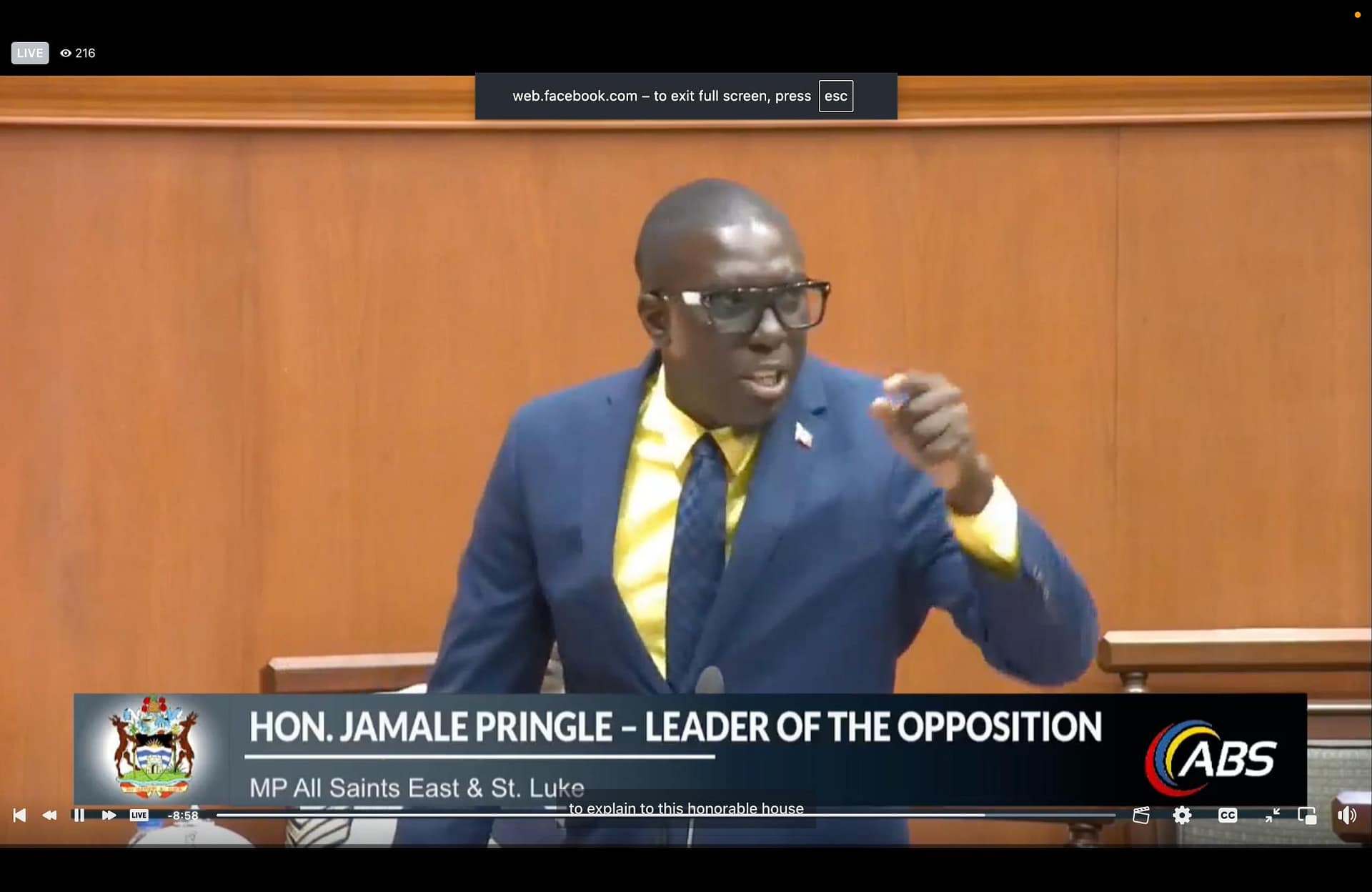
In a significant policy announcement during the 2026 National Budget debate, United Progressive Party (UPP) Leader Jamale Pringle declared that an opposition-led government would completely eliminate all taxation on new electric and renewable-energy vehicles. Pringle positioned this initiative as a central component of the party’s comprehensive clean-energy strategy, directly challenging the current administration’s environmental policy implementation.
The opposition leader argued that excessive import duties and multiple layers of government-imposed costs are substantially hindering the nation’s transition to sustainable transportation. He noted that while many citizens are eager to adopt electric mobility solutions due to escalating fuel prices and growing environmental consciousness, financial barriers created by existing tax structures make such conversions prohibitively expensive for ordinary families.
Pringle characterized the current taxation approach as fundamentally contradictory to the government’s publicly stated commitments on climate resilience and renewable energy adoption. He emphasized that the UPP’s proposed tax elimination would extend beyond symbolic gesture to deliver tangible benefits: dramatically reducing ownership barriers, stimulating competitive pricing among automotive dealerships, and positioning the nation to capitalize on global advancements in sustainable transport technology.
The policy proposal was framed as particularly vital for a small island nation facing disproportionate vulnerability to climate change impacts while maintaining heavy dependence on imported fossil fuels. Pringle described electric vehicle incentivization as ‘common sense’ policy that would simultaneously address environmental concerns and reduce household energy expenditures.
This automotive initiative forms part of a broader UPP renewable energy platform that includes removing restrictions on residential solar power systems and creating more favorable investment conditions for clean technology ventures. Pringle concluded that meaningful climate action must originate with practical, affordable pathways for citizens rather than international rhetoric unmatched by domestic policy implementation.