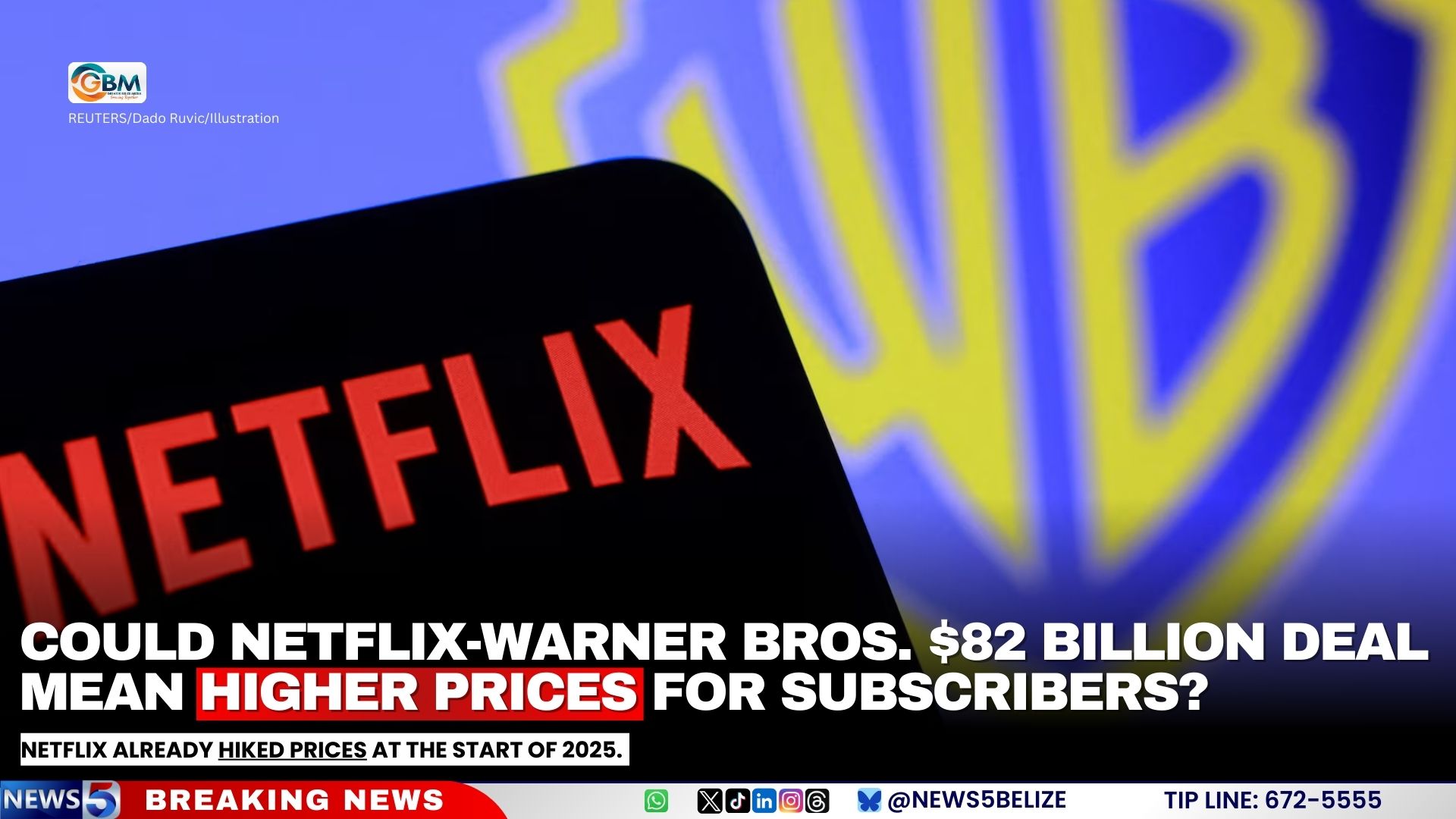
The monumental $82.7 billion acquisition of Warner Bros. by streaming titan Netflix has triggered significant regulatory attention and consumer advocacy concerns regarding potential market consolidation effects. Announced on December 5, 2025, this landmark transaction would transfer control of Warner Bros.’ extensive entertainment portfolio—including film and television studios, HBO, and HBO Max—to the streaming platform giant.
This unprecedented merger combines Netflix’s global distribution infrastructure with Warner Bros.’ century-spanning content library, encompassing legendary franchises from Harry Potter and DC Universe to Game of Thrones and The Big Bang Theory. Netflix co-CEO Ted Sarandos emphasized the strategic value, stating the union would enhance content delivery by merging Warner’s iconic collection—from classics like Casablanca to contemporary hits—with Netflix’s culture-defining original programming.
Despite the expanded content offering, industry analysts warn subscribers could face increased subscription fees following the consolidation. This concern amplifies existing consumer apprehensions, particularly as Netflix implemented price increases earlier in 2025.
The transaction has drawn critical responses from prominent political figures. Senator Elizabeth Warren condemned the merger as ‘an anti-monopoly nightmare,’ cautioning that reduced market competition could diminish consumer choice and elevate costs. Simultaneously, former President Donald Trump expressed reservations about the combined entity’s substantial market dominance, indicating his intention to participate in regulatory review processes.
The acquisition now faces impending scrutiny from antitrust regulators who will evaluate its potential impact on market competition and consumer pricing in the rapidly consolidating streaming industry.