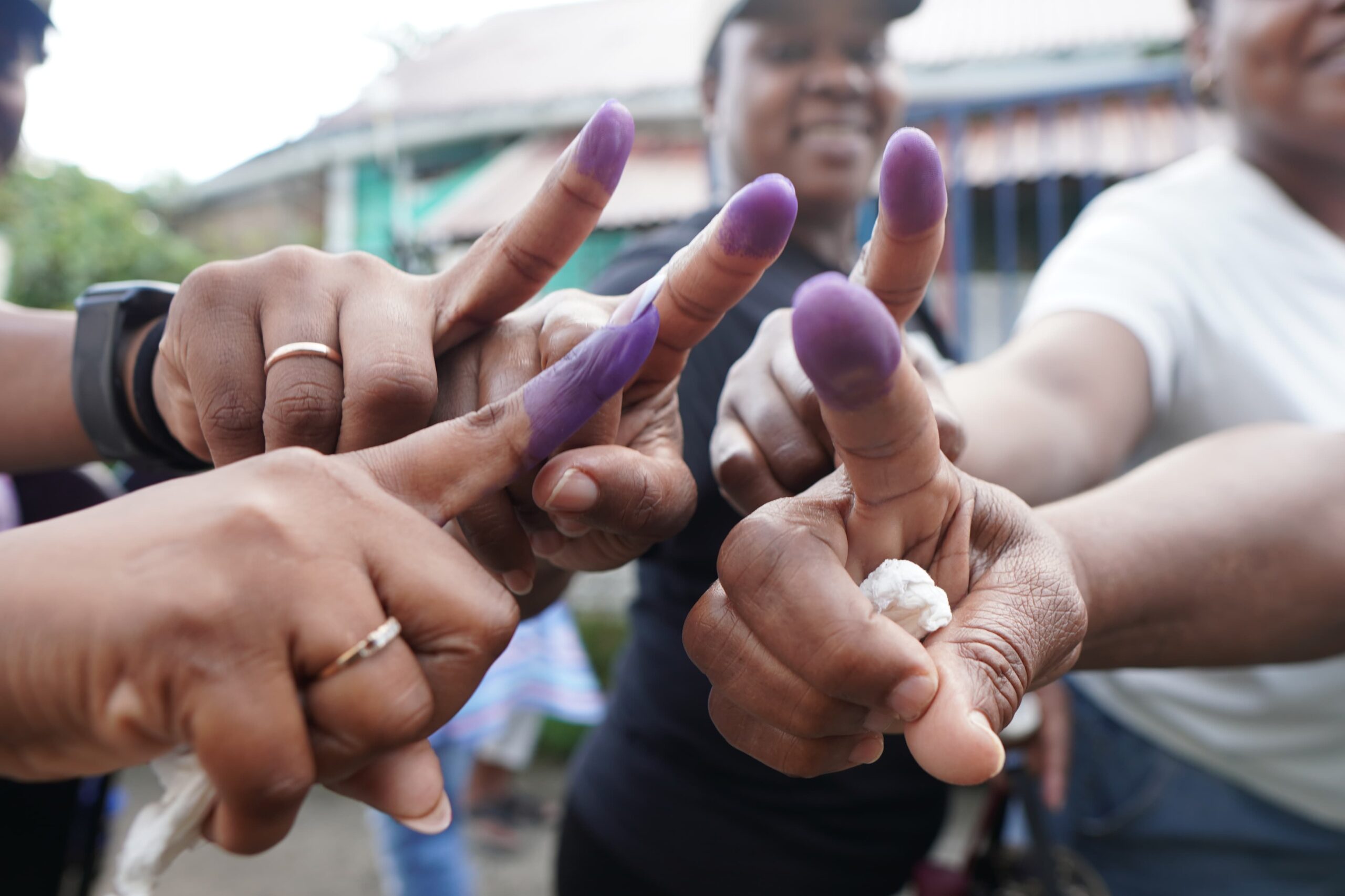
Political analysts have characterized Saint Lucia’s 2025 general election as a historic turning point in Caribbean politics, marked by a rare second-term government actually gaining popular support. Regional consultant Peter Wickham, Director of Caribbean Development Research Services (CADRES), highlighted the exceptional nature of this outcome, noting a five percentage point swing favoring the incumbent government—a phenomenon contrary to typical Caribbean political patterns where first-term incumbents usually lose ground.
Wickham attributed this unprecedented result to fundamentally contrasting leadership approaches. He described former Prime Minister Allen Chastanet’s United Workers Party (UWP) as focusing primarily on large-scale infrastructure projects, while Prime Minister Philip J. Pierre’s Saint Lucia Labour Party successfully connected with voters through direct attention to social needs. According to Wickham, Pierre’s emphasis on education, pension reforms, and personal welfare created stronger voter allegiance, making citizens feel their leader was genuinely concerned with individual wellbeing rather than institutional development alone.
Complementing this analysis, political professional Ajani Lebourne identified three critical factors determining the election outcome: leadership perception, voter connection, and organizational strength. Lebourne noted the UWP’s struggle to mobilize its base due to internal divisions and a diminished grassroots identity, observing that the party had transitioned from its historical roots as Sir John Compton’s people-centered institution to a personality-driven organization that failed to inspire loyalty.
Lebourne highlighted how Labour’s tangible policies—including pension increases, small business support, and public sector commitments—resonated across diverse demographic segments, from youth to seniors and independent voters. The party’s effective messaging focused on practical, visible improvements in citizens’ daily lives, creating broad-based appeal.
Both analysts expressed concerns about voter turnout issues, attributing declining participation to outdated voter rolls containing deceased or overseas individuals. They warned that persistent low engagement could eventually spur new political movements if existing parties fail to address structural challenges including crime, employment, economic diversification, and sustainable development.
Regarding political futures, Wickham suggested Chastanet should initiate leadership transition while fulfilling his parliamentary duties as opposition watchdog, though he expressed skepticism about Chastanet’s long-term political viability. Meanwhile, Pierre’s successful formula of party unity and personal connection positions him potentially for continued leadership, though analysts caution against overextending his tenure.
The election has also revived conversations about constitutional reform and campaign financing legislation, with experts emphasizing the need for greater accountability, integrity, and policy-focused discourse in Saint Lucia’s evolving democracy.