The Assembly of Caribbean People (ACP) has issued a forceful condemnation of what it characterizes as Washington’s expanding military footprint across the Caribbean basin. In a December 4 declaration, the regional coalition of civil society organizations denounced recent US deployments as evidence of an “imperial agenda” targeting Venezuela and destabilizing regional stability.
The ACP highlighted concerning military developments, including the positioning of the USS Gerald Ford aircraft carrier strike group—comprising destroyers, amphibious assault vessels, fighter aircraft, B-52 strategic bombers, and nuclear submarines—representing approximately ten percent of US naval capacity. The organization specifically noted heightened activity in the narrow maritime corridor separating Trinidad and Tobago from Venezuela, describing the Caribbean as facing its most volatile period in recent history.
Further escalation indicators cited include multiple visits by the US Marines’ 22nd Expeditionary Unit to Trinidad within a three-week period, repeated destroyer incursions into the Gulf of Paria, and the installation of US radar systems in Tobago. The ACP dismissed official narratives linking these deployments to counter-narcotics operations, asserting instead that Washington seeks regime change in Venezuela and control over its substantial natural resources.
The coalition expressed particular alarm over recent aviation restrictions, including Federal Aviation Administration warnings about military operations in Caribbean airspace and President Trump’s declaration of a Venezuelan no-fly zone. These developments, coupled with the designation of Venezuela’s leadership as a Foreign Terrorist Organization, are viewed as creating pretexts for military intervention.
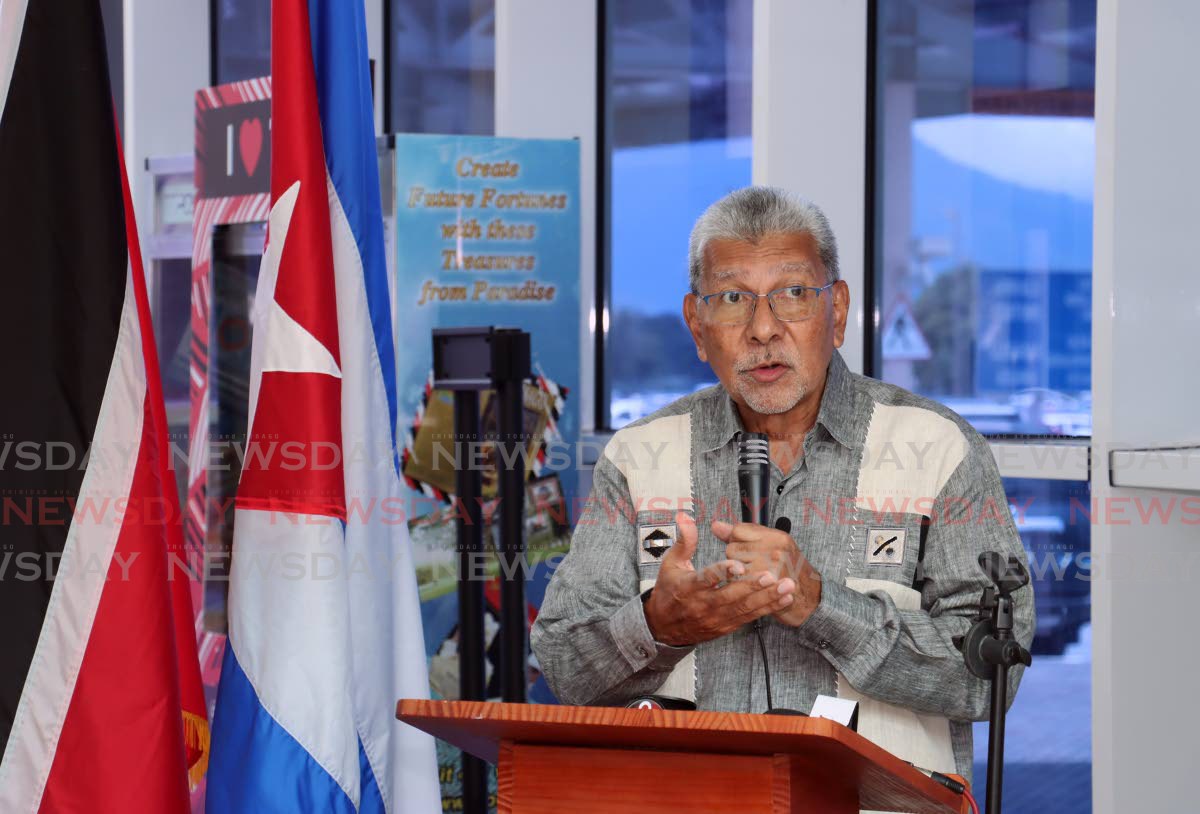
ACP spokesman David Abdulah called for unified regional resistance, urging Caribbean citizens, governments, and civil society organizations to reject US military activities. “The message must be clear,” Abdulah emphasized, “A US military attack—Not in our name. War in the region—Not in our name.”
The organization criticized regional governments that have aligned with US interests, specifically referencing Trinidadian Prime Minister Kamla Persad-Bissessar’s public support for aggressive counter-narcotics measures. Such positions, the ACP argued, undermine the Caribbean’s traditional status as a zone of peace.
While acknowledging resistance from certain CARICOM leaders and grassroots movements, the ACP called for stronger collective opposition to preserve regional sovereignty and prevent military conflict.