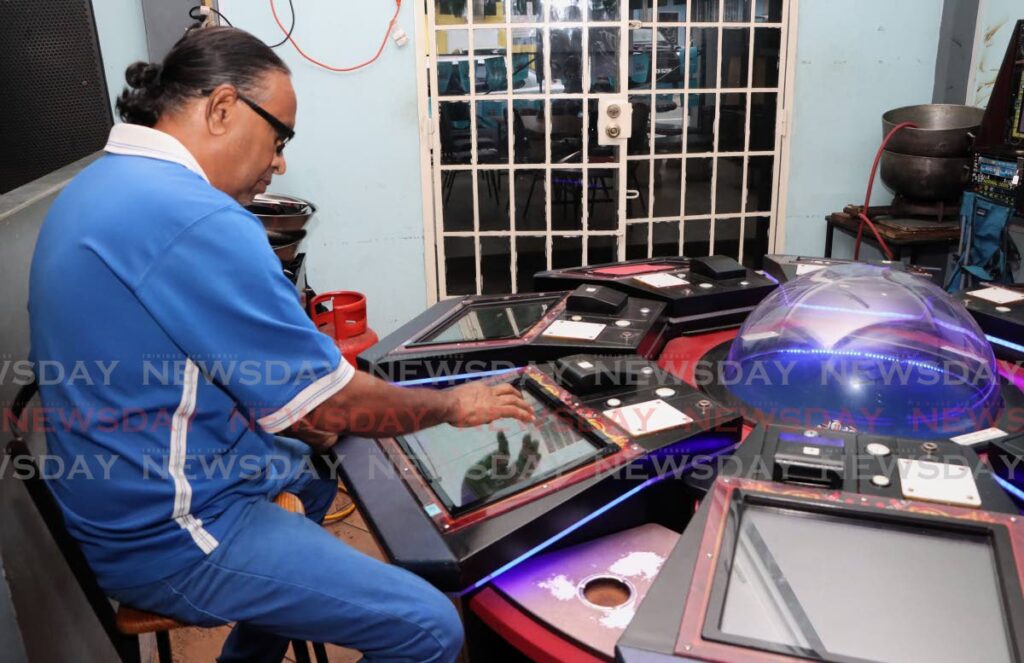
Trinidad and Tobago’s hospitality sector is facing what industry leaders are calling a “second pandemic” as the government proposes a massive 400% tax increase on amusement gaming machines. The planned hike would raise the annual tax per machine from $6,000 to $25,000, potentially devastating the country’s bar and restaurant industry.
The TT Coalition of Bars and Restaurants (TTCOBAR) and the Barkeepers Owners/Operators Association of TT (BOATT) have issued a joint warning that this drastic measure could force widespread permanent closures of small and medium-sized establishments. According to industry representatives, many bars rely on gaming revenue to offset operational costs, pay staff salaries, and remain financially viable amid rising expenses for beverages and other commodities.
BOATT president Satesh Moonessar revealed that the associations had previously met with government officials to discuss potentially reducing gaming taxes and implementing quarterly payment options. “We were under the assumption these requests were being considered,” Moonessar stated, expressing surprise that the government was instead moving forward with a substantial tax increase.
The economic impact calculations are staggering: a modest bar operating ten gaming machines would see its annual tax liability surge from $60,000 to $250,000—an increase that often exceeds the net profit of many small establishments. Industry representatives estimate approximately 60% of the country’s 2,500 bars depend on gaming machine revenue to remain operational.
Beyond the direct impact on bars, the associations warn of broader economic consequences including job losses, reduced tax revenue from various sources (VAT, NIS, PAYE, liquor licenses), and potential growth in illegal gaming operations. They emphasize that their position is not about defending gaming machines but about preserving jobs, businesses, and community gathering spaces.
Both associations are now urging bar owners to contact their Members of Parliament, particularly those in government, to advocate for reconsideration and proper consultation before the proposed changes receive final parliamentary approval.