The protracted liquidation saga of Caribbean conglomerate CL Financial has reached a critical juncture, with mounting calls for restoring shareholder governance after more than a decade under court-appointed supervision. The company’s dramatic collapse in 2009 during Trinidad and Tobago’s liquidity crisis created one of the region’s most complex corporate failures, prompting unprecedented state intervention that continues to reverberate through Caribbean financial markets.
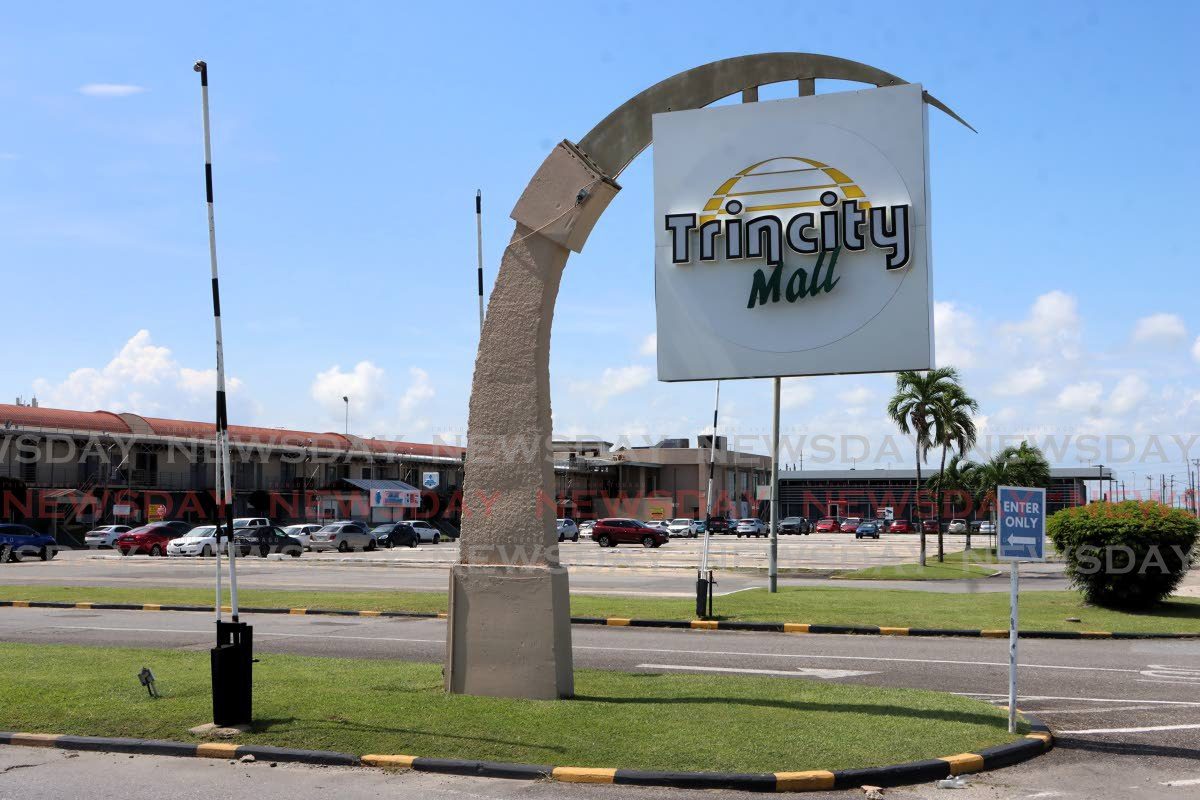
Since January 2009, CL Financial has operated under the control of liquidators who have managed asset dispositions and operational decisions. However, growing concerns about transparency, accountability, and shareholder rights have sparked legal challenges and intensified demands for governance normalization. Recent developments, including the abandoned sale of Trincity Mall after shareholder legal intervention, highlight the escalating tensions between current oversight and ownership rights.
Three fundamental arguments drive the movement for governance restoration. First, the extraordinary duration of liquidation—exceeding fifteen years—represents an unreasonable suspension of democratic corporate governance. Second, multiple court cases have revealed concerning transparency gaps, including questions about liquidators’ remuneration and asset valuation methodologies. Third, shareholder groups led by major stakeholders like Dalco Management have demonstrated increasing capacity and willingness to assume governance responsibilities.
The case for shareholder restoration hinges on fundamental corporate principles: capital providers should retain governance rights through elected directors. While the initial crisis justified extraordinary measures to protect depositors and policyholders, the current phase requires normalized governance structures. A transition plan could maintain liquidators for asset realization while empowering shareholder-elected boards for strategic oversight, balancing creditor protection with ownership rights.
Critics who cite ongoing stability concerns must acknowledge that perpetual external control undermines market confidence and corporate recovery prospects. The Caribbean financial ecosystem deserves resolution mechanisms that respect both crisis management necessities and long-term governance norms. CL Financial’s path forward should embrace modern corporate governance, independent auditing, and transparent operations to restore market confidence and enable strategic repositioning.
This governance transition represents more than procedural change—it signifies the restoration of fundamental investment principles and offers a template for resolving complex corporate failures while respecting shareholder rights across emerging markets.