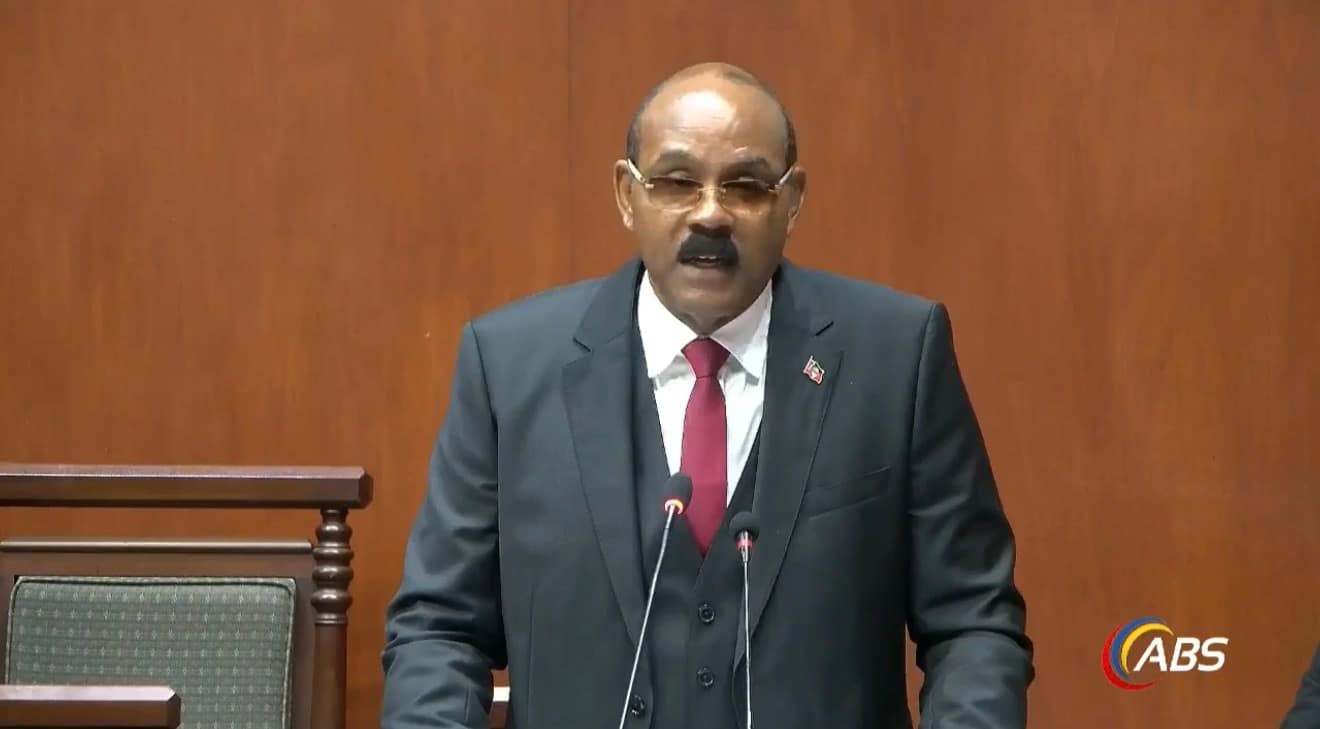
In a landmark fiscal announcement, Antigua and Barbuda has revealed extraordinary financial results for the 2026 budget cycle, demonstrating one of the most robust economic performances in the nation’s contemporary history. Prime Minister Gaston Browne presented the national budget to Parliament on Thursday, disclosing a remarkable primary surplus of $254.9 million alongside an overall surplus of $116.3 million.
The substantial surpluses signify a dramatic reversal from the significant deficits that plagued the nation’s economy over a decade ago. Prime Minister Browne attributed this financial transformation to stringent fiscal discipline, consistent economic growth, and enhanced revenue generation across multiple sectors. “Achieving a primary surplus exceeding a quarter billion dollars demonstrates our capacity to meet all financial obligations, including debt servicing, while retaining substantial reserves,” Browne stated, characterizing the figures as testament to a resilient and strategically managed economy.
Critical to this fiscal success has been the dramatic improvement in the nation’s debt profile. According to Finance Ministry data, the debt-to-GDP ratio has been reduced to 61.4 percent—a sharp decline from the 120 percent level recorded when the current administration assumed office eleven years ago. This improved debt position enables the government to pursue ambitious public investment initiatives while reinforcing social safety nets for vulnerable populations.
The economic resurgence has been fueled by multiple factors including sustained growth patterns, revitalized tourism numbers, heightened construction activity, and increased import volumes. Enhanced tax compliance measures and broader post-pandemic recovery trends have further bolstered government revenues.
Under the theme “People-Centered Growth and Development,” the 2026 budget prioritizes strategic investments in education, healthcare, housing, and infrastructure development. These initiatives will be funded through the nation’s strengthened fiscal position without requiring additional borrowing.
Parliamentary debate on the budget proposal is scheduled to commence next week, setting the stage for legislative approval of the government’s economic agenda.