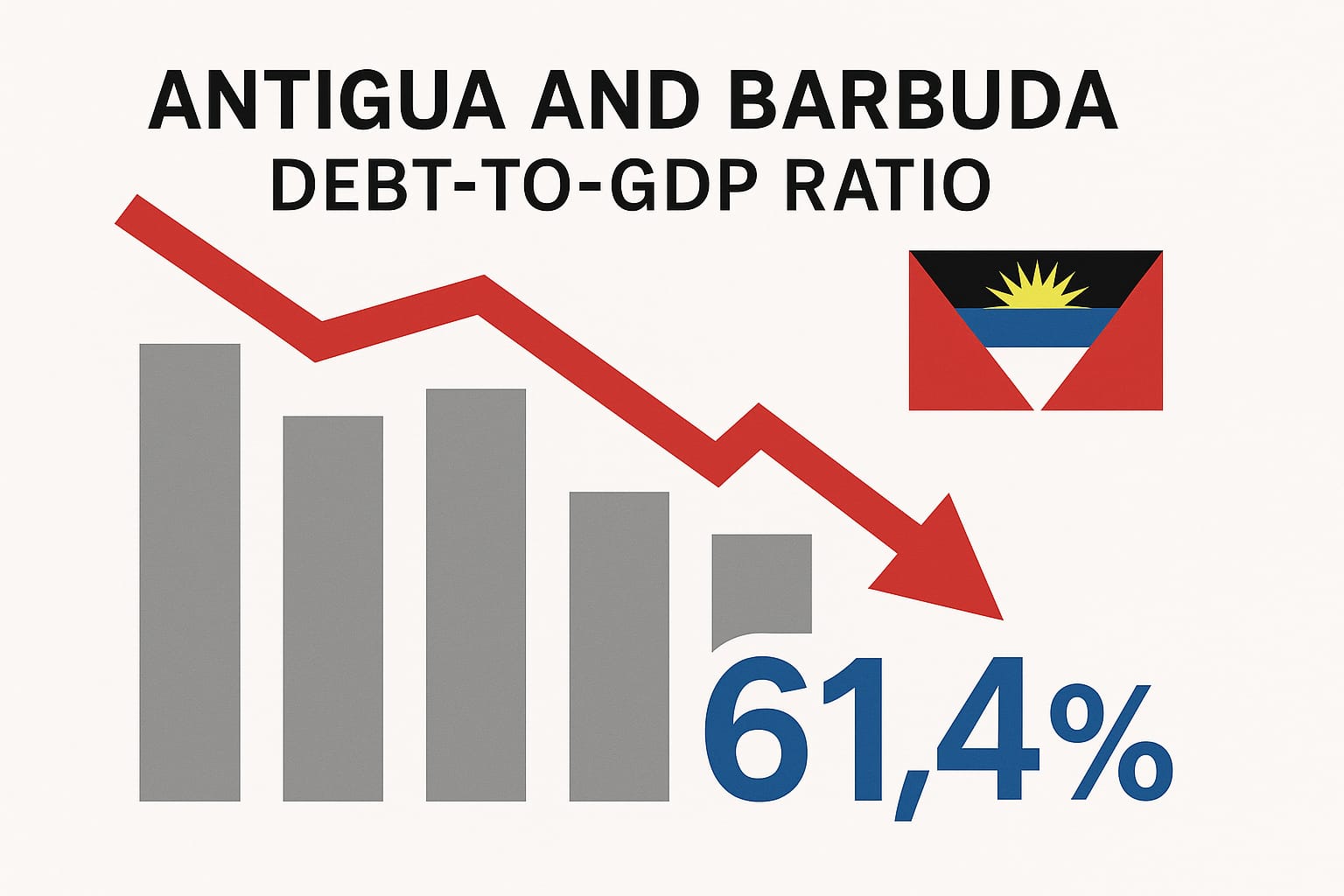
In a significant fiscal milestone, Antigua and Barbuda has achieved its most favorable debt position in over ten years, with Prime Minister Gaston Browne announcing a debt-to-GDP ratio of 61.4% during Thursday’s 2026 national budget presentation. This figure places the twin-island nation within immediate reach of the Eastern Caribbean Currency Union’s benchmark target of 60%, marking a transformative recovery from the 120% debt burden recorded in 2014.
The Prime Minister characterized this dramatic reduction—effectively halving the national debt over eight years—as concrete validation of his administration’s strategic fiscal consolidation policies. Addressing Parliament, Browne emphasized that this achievement demonstrates ‘sound fiscal management’ and positions the country favorably for enhanced financial stability.
Economic analysts note that approaching the ECCU benchmark carries substantial implications for the nation’s financial future. A lower debt ratio typically translates to improved credit ratings, reduced borrowing costs, and increased access to favorable financing terms—critical factors for sustainable economic development.
The debt reduction coincides with impressive fiscal performance, including an overall surplus of $116.3 million and a primary surplus of $254.9 million. These positive indicators have been fueled by robust revenue generation across key sectors, particularly tourism, construction, and import-related activities.
Browne’s fiscal update accompanied the presentation of the 2026 budget, themed ‘People-Centered Growth and Development,’ which prioritizes investments in education, healthcare, housing, and infrastructure. The Prime Minister assured that these initiatives would be supported by maintained fiscal discipline, noting that the government now comfortably covers all expenses, including interest payments, while retaining development funds.
Parliamentary debate on the proposed budget is scheduled to resume next week, with lawmakers expected to examine the detailed spending plans within the context of the country’s improved economic standing.