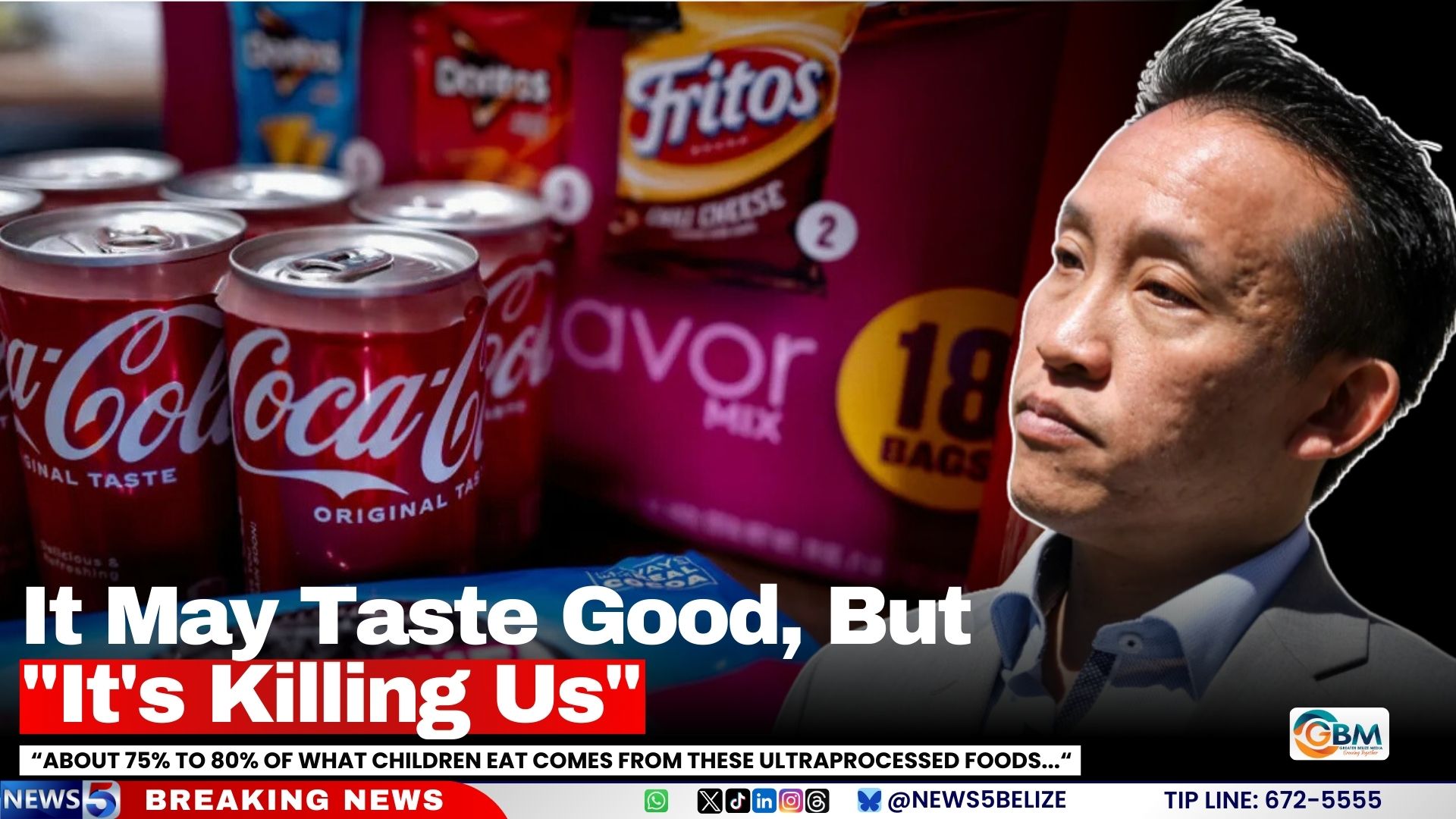
A groundbreaking legal battle unfolding in San Francisco has ignited global concerns about the health implications of ultraprocessed foods, products that have become increasingly prevalent in households worldwide, including in Belize. The City of San Francisco has initiated litigation against ten multinational food corporations, alleging they have deliberately engineered and marketed products scientifically linked to serious chronic health conditions.
The lawsuit presents evidence that these food items were specifically formulated to create addictive consumption patterns, contributing significantly to escalating global rates of obesity, diabetes, and related metabolic disorders. San Francisco City Attorney David Chiu emphasized that scientific research has now reached an undeniable “tipping point,” establishing profound connections between these products and deteriorating public health outcomes, alongside imposing substantial healthcare costs on consumers.
Among the specifically named defendants are industry titans Coca-Cola, PepsiCo, Nestlé, Kellogg, and Kraft Heinz—all familiar presences in Belizean markets. The comprehensive list further includes Mondelez International, Post Holdings, General Mills, Mars Incorporated, and ConAgra Brands.
Ultraprocessed foods subject to litigation typically encompass sugar-sweetened beverages, artificially flavored chips, and packaged snack items containing excessive additives, sugars, sodium, and unhealthy fats. University of California San Francisco Professor Laura Schmidt described the decades-long health crisis as “watching a train wreck in slow motion,” noting particularly alarming increases in childhood diabetes, pediatric fatty liver disease, and youth obesity rates linked to these nutritional products.
The Consumer Brands Association has formally contested the allegations, maintaining that member companies strictly follow evidence-based safety protocols established by the U.S. Food and Drug Administration. Nevertheless, prominent nutrition researcher Barry Popkin counters that despite successful public health campaigns reducing smoking rates, chronic diseases continue escalating due to dietary patterns. Popkin’s research indicates approximately 75-80% of children’s caloric intake and 55-60% of adults’ consumption derives from ultraprocessed sources, leading him to state unequivocally: “The food is killing us.”