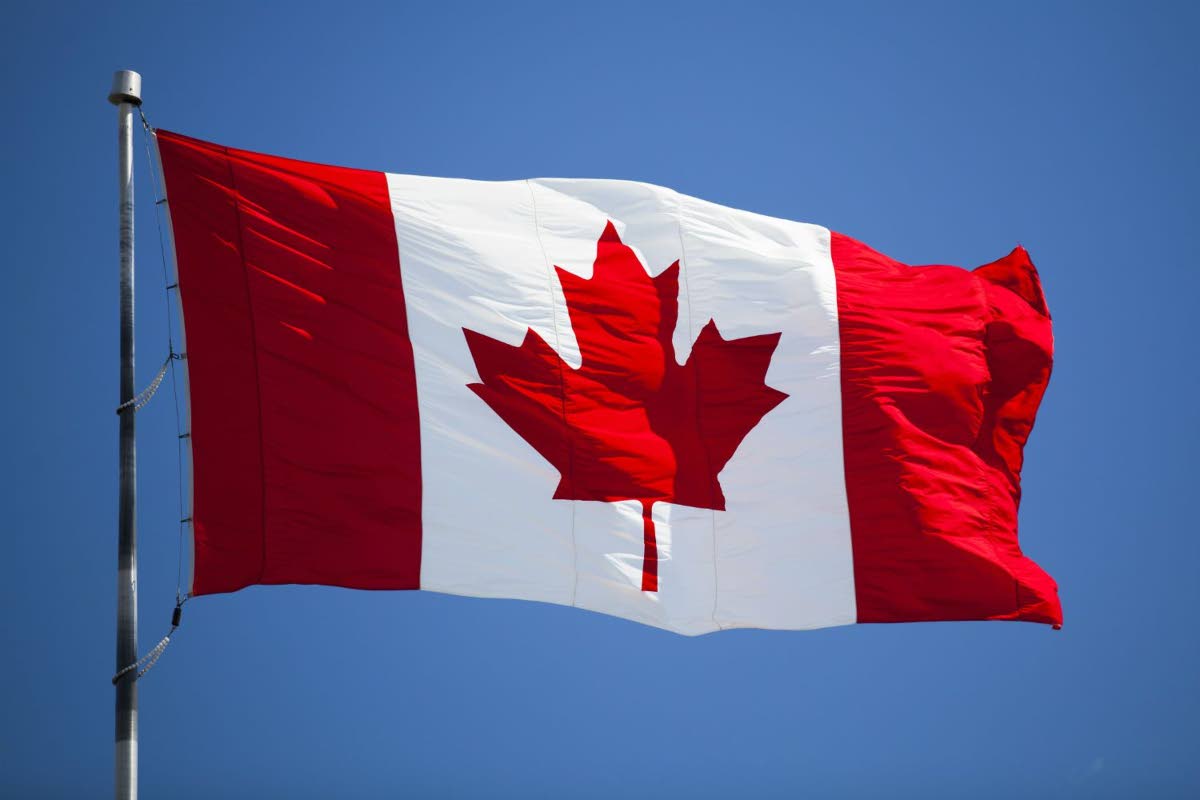
In 1967, the Trinidad and Tobago government faced a critical crossroads in preserving its national airline, BWIA, after the collapse of a highly anticipated Canadian rescue plan. Despite prolonged diplomatic efforts, Canada’s Air Canada partnership proposal foundered due to one fundamental requirement: the unwillingness of other Caribbean governments to join a regional consortium.
Canadian Prime Minister Lester B. Pearson conveyed the setback with diplomatic nuance in correspondence with TT’s leadership, noting, ‘In a matter as complex as this… reactions have not been forthcoming quickly, or in a clear-cut fashion. What information we have received has not in fact been uniformly encouraging.’ This diplomatic phrasing masked the stark reality that regional cooperation efforts had failed.
Simultaneously, an alternative proposal emerged from New York investment firm R.W. Pressprich & Co. International Ltd. and Trans World Airlines (TWA). Their July 1967 proposition outlined a radical restructuring: a multinational Caribbean carrier with 60% government ownership (TT, Barbados, Guyana, Jamaica) and 40% private investment, though profit distribution would favor investors at 60%.
Initially skeptical due to previous regional disappointments, the TT government found Pressprich unexpectedly flexible. By August 29, the firm amended its proposal to invest directly in BWIA’s existing structure without requiring prior commitments from other governments. The revised terms exempted TT from additional capital injection while maintaining existing debt guarantees and offering appropriate economic incentives.
A significant sweetener emerged in the form of a proposed Hilton hotel development at Rocky Point, Tobago, recognizing the symbiotic relationship between airline seats and hotel beds. This tourism infrastructure component, backed by TWA’s technical expertise, added considerable appeal to the package.
After intensive negotiations throughout September and October 1967, a memorandum of understanding was accepted by the TT government on December 5. This led to the formation of Caribbean International Ltd. as Pressprich’s investment vehicle, while TWA commenced comprehensive operational studies under the direction of senior aviation experts.
The culmination arrived on May 24, 1968, with signed agreements between the TT government, BWIA, and Caribbean International Ltd., concluding a complex nine-month negotiation that salvaged the national airline through transatlantic investment rather than regional cooperation.