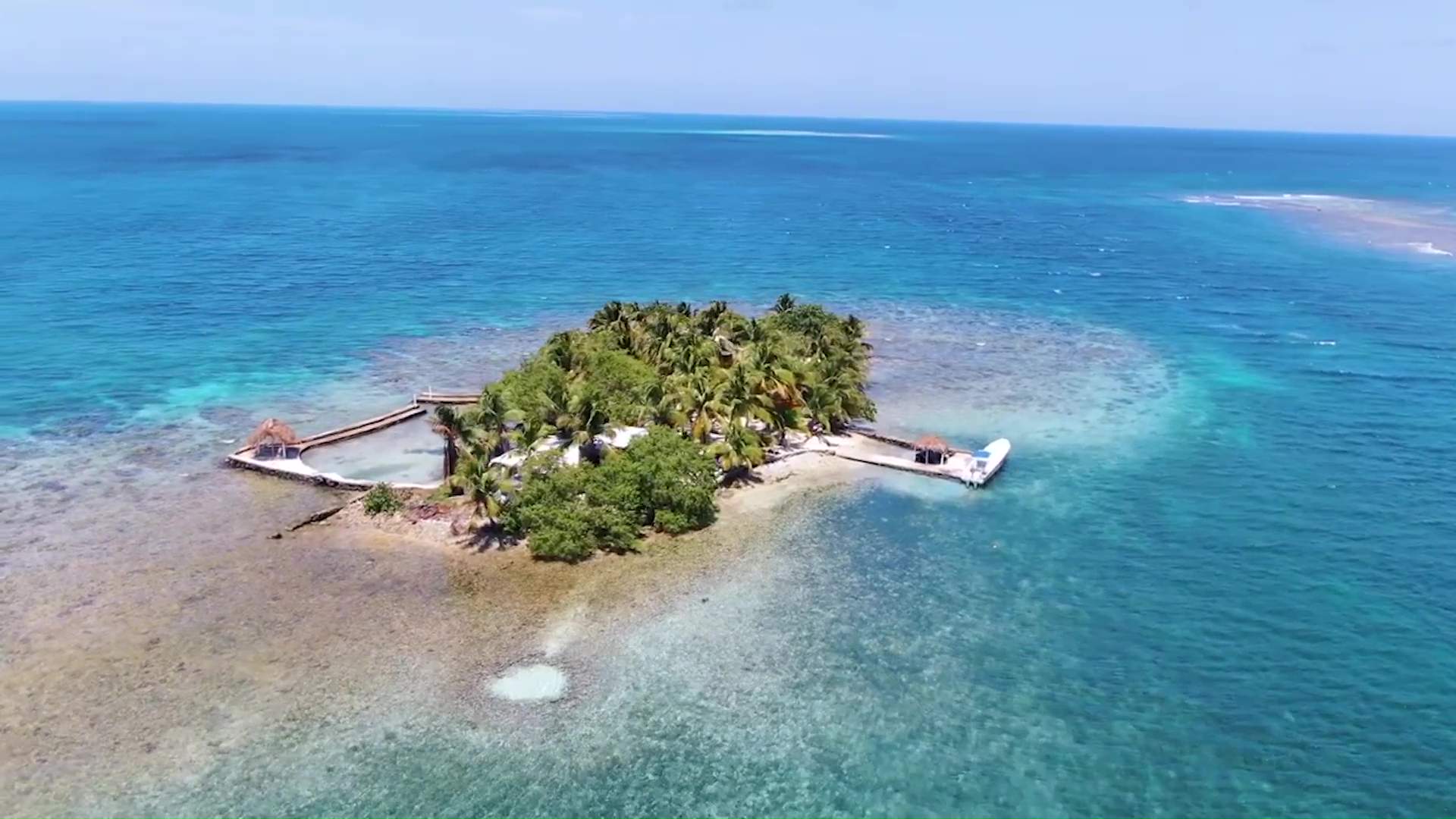
While the International Court of Justice deliberates on the Sapodilla Cayes territorial dispute, local voices from Belize’s coastal communities highlight critical implementation challenges that could undermine a potential legal victory. Eworth Garbutt, President of the Belize Flat Fishery Association and lifelong resident of the cayes, expresses measured optimism about Belize’s legal position while sounding alarms about enforcement deficiencies.
Garbutt, whose father served as lighthouse keeper in the disputed waters, possesses intimate knowledge of the region’s operational realities. His central concern revolves around Guatemala’s continued exploitation of the area despite existing regulations. “Sovereignty is a substantial matter,” Garbutt stated. “For generations before my birth, Guatemala has operated there at their leisure.”
The fishery leader detailed systematic violations occurring in the protected zone, noting that Guatemalan operators from Livingston routinely conduct unauthorized tours in the Sapodilla Cayes without requiring licensed guides—a direct breach of Belizean tourism regulations. “In this context, they’ve already prevailed regardless of the ICJ’s eventual ruling,” Garbutt observed.
Illegal fishing constitutes another pressing issue, with Garbutt emphasizing the area’s fully protected status. While acknowledging some recent reduction in unauthorized fishing, he expressed skepticism about enforcement capabilities post-ruling. “They are content when we establish regulations without enforcement mechanisms,” he commented.
Despite these practical concerns, Garbutt maintains confidence in Belize’s legal position, attributing this optimism to both evidential strength and national solidarity. However, he cautioned that a favorable ruling without subsequent protection would represent a hollow victory: “Even if awarded a paper declaration without understanding how to protect our sovereignty, we would possess a document we cannot utilize—consuming tilapia while Guatemalans and Hondurans harvest snapper from our waters.”