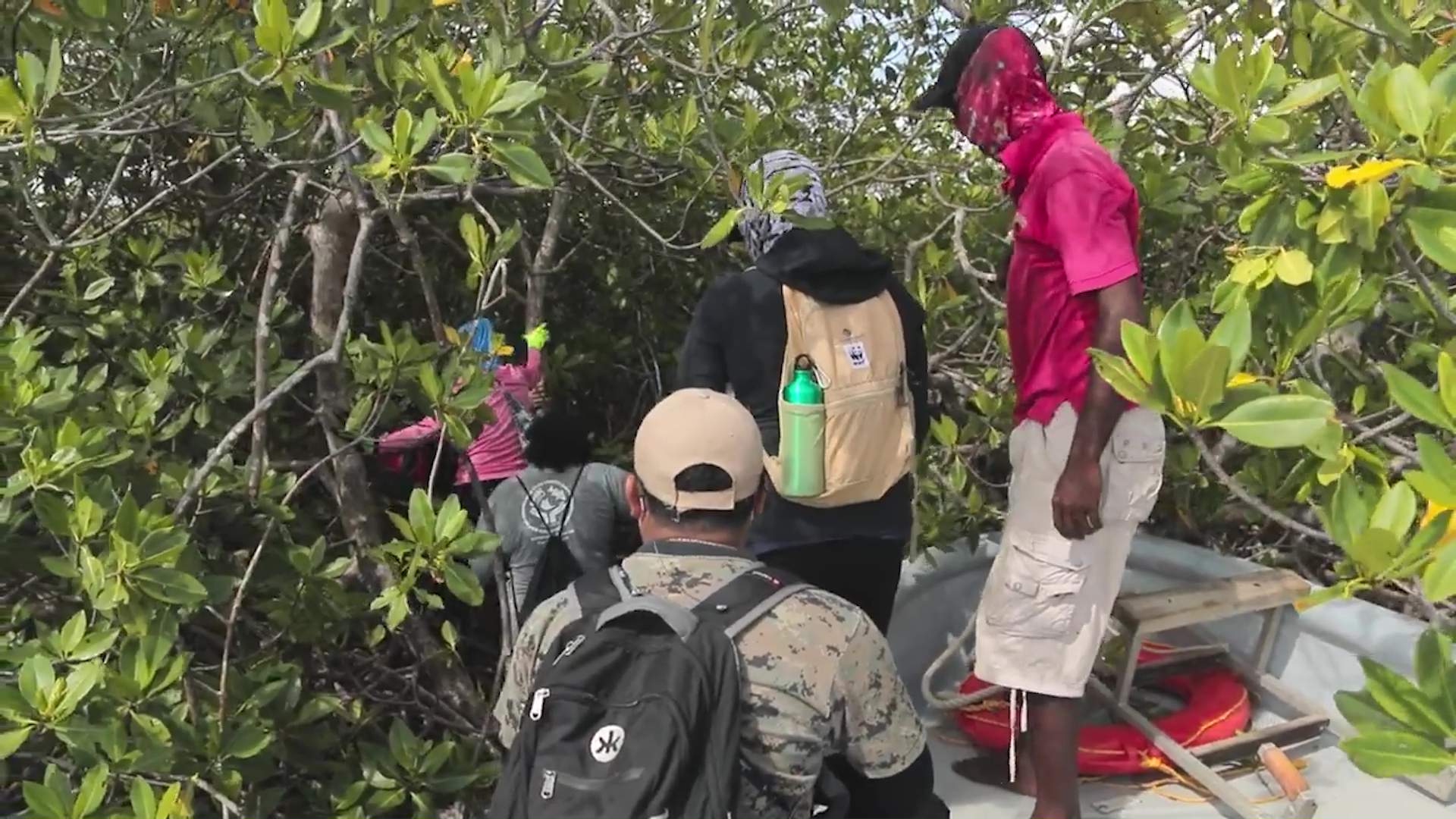
A contentious marine conservation initiative in Belize is generating significant concern among fishing communities and tourism operators as the government prepares to finalize its protection plan. The Resilient Bold Belize project, designed to safeguard marine ecosystems and enhance climate change resilience, faces strong opposition from local stakeholders who fear economic devastation.
Eworth Garbutt, President of the Belize Flat Fishery Association, has emerged as the leading voice against the proposed expansion of fully protected marine zones. According to Garbutt, the conservation blueprint would establish no-take zones across critical fishing grounds and popular tour destinations, including coral reef systems that currently support numerous families.
The controversy centers on the government’s approach to marine protection, which Garbutt characterizes as disproportionately targeting traditional fishing activities while ignoring more significant environmental threats. He specifically cites sewage pollution, mangrove degradation, and damage to seagrass beds as primary concerns that the plan fails to adequately address.
With the draft map scheduled for validation on December 4th, 2025, the debate has intensified between conservation objectives and economic realities. Garbutt emphasizes that the proposed protected areas would eliminate permanent fishing places that generations of Belizeans have depended on for their livelihoods. The association president argues for a more balanced approach that addresses multiple environmental threats while preserving traditional access to marine resources.
The outcome of this confrontation could establish significant precedents for marine conservation policy throughout the Caribbean region, potentially influencing how developing nations balance ecological protection with economic sustainability in climate-vulnerable coastal communities.