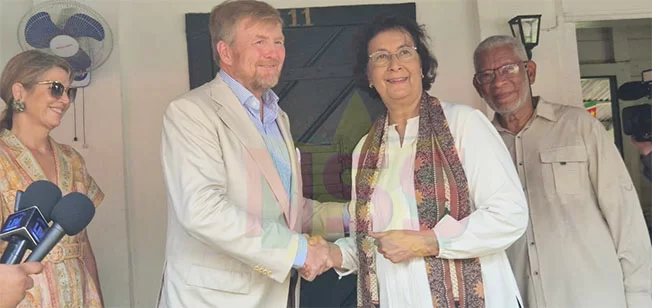
In a significant diplomatic engagement held in Fredriksdorp, Commewijne, Dutch King Willem-Alexander and Surinamese President Jennifer Simons outlined a transformative vision for bilateral relations between their nations. The high-level discussion, which occurred during the King’s state visit, addressed critical issues including visa liberalization, educational cooperation, and historical reconciliation.
The pressing matter of visa acquisition difficulties for Surinamese citizens seeking to visit Netherlands received prominent attention. King Willem-Alexander acknowledged the persistent challenges, revealing that Suriname could formally request visa liberalization from the European Commission—a process where Netherlands has committed to providing support in Brussels. Meanwhile, the monarch emphasized the need for more humane processing of visa applications, recognizing the suboptimal conditions and extended waiting periods currently experienced by applicants.
Educational and cultural exchange emerged as another cornerstone of the renewed partnership. The King highlighted existing cooperation at university and higher vocational levels while announcing new exchange programs for vocational education. “I’ve truly witnessed the profound connection between our nations,” the monarch stated, indicating this perspective would inform future Dutch policy approaches.
Regarding the complex historical legacy between the former colony and colonizer, President Simons characterized the reconciliation process as a mutual learning journey. While acknowledging that reparations discussions could occur within established CARICOM frameworks, she firmly asserted Suriname’s independent development path: “We will not wait for reparations to develop our country.”
Both leaders struck a forward-looking tone in their closing remarks. King Willem-Alexander thanked Suriname for the warm reception and open dialogue, envisioning a future relationship built on friendship and shared history. President Simons described the visit as positively transformative, having “unpacked a package” of opportunities for collaboration on equal footing, signaling a definitive shift from post-colonial dynamics to genuine partnership.