A contentious debate has emerged in Trinidad and Tobago’s labor landscape following Finance Minister Davendranath Tancoo’s confirmation of a 10% salary increase exclusively for Public Services Association (PSA) members. The announcement has sparked widespread discontent among other labor groups whose collective agreements were signed in April but now appear excluded from similar benefits.
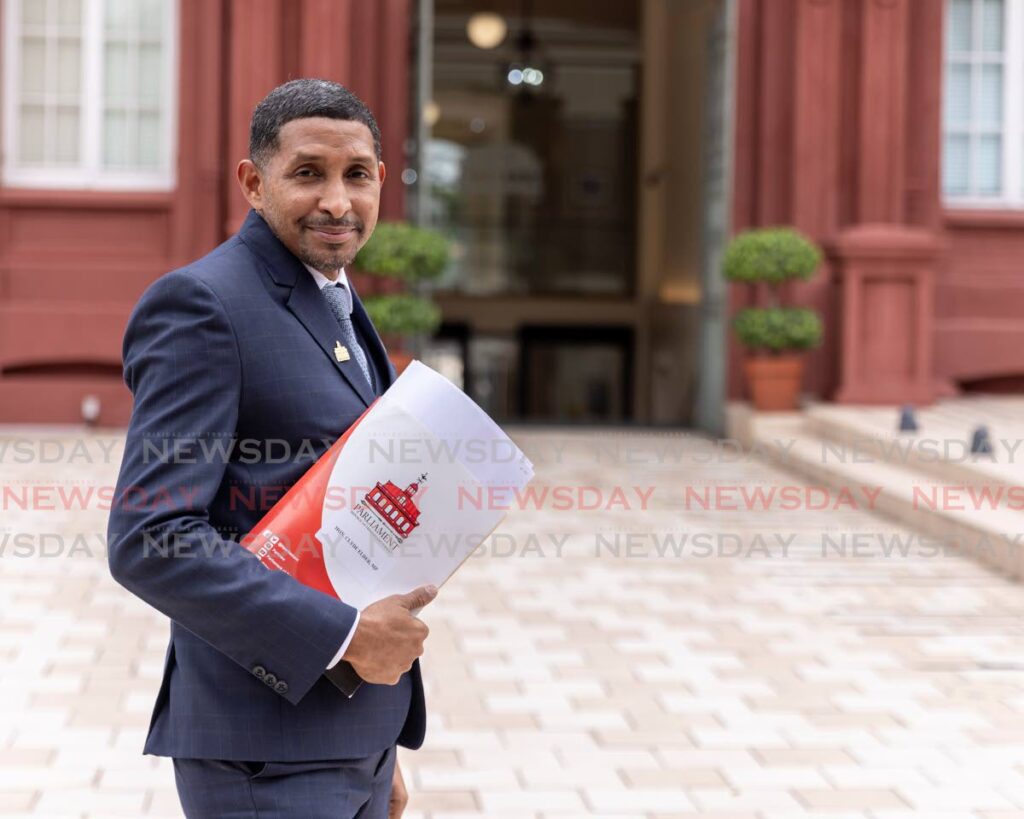
Clyde Elder, Minister in the Ministry of Public Utilities, solidified the government’s position on November 28 by declaring, “An agreement made and signed is what it is.” The former trade unionist turned minister defended the selective increase by emphasizing the PSA’s political advocacy: “They put up that fight. They fought with the party – the UNC – and today, because of that fight, they are seeing the rewards.”
The remarks have exposed underlying tensions in labor-government relations, revealing what critics describe as a system where political alignment determines economic benefits. Joanne Ogeer, secretary general of the Communication Workers’ Union, warned that such approaches create “peace by silence rather than peace by justice,” where negotiations become influenced by political loyalty rather than workers’ rights.
Financial disclosures from the Chief Personnel Officer’s office indicate the PSA settlement will require $3.8 billion in back pay and $420 million in recurrent expenditure, raising questions about fiscal sustainability and equitable distribution of public funds. The situation echoes previous administrations’ contentious relationships with unions, though observers note the current government’s approach represents an evolution toward more explicit political conditioning of labor benefits.
The developing scenario places essential workers—including firefighters, prison officers, police, and security personnel—in precarious positions, potentially facing the consequences of political maneuvering within the country’s labor movement.