In an era of escalating geopolitical complexities stemming from US-Venezuela tensions, Caribbean nations are increasingly turning to artificial intelligence to safeguard their strategic interests. Trinidad and Tobago, like its regional counterparts, faces unprecedented challenges in maintaining balanced international relations while protecting economic and political stability across the hemisphere.
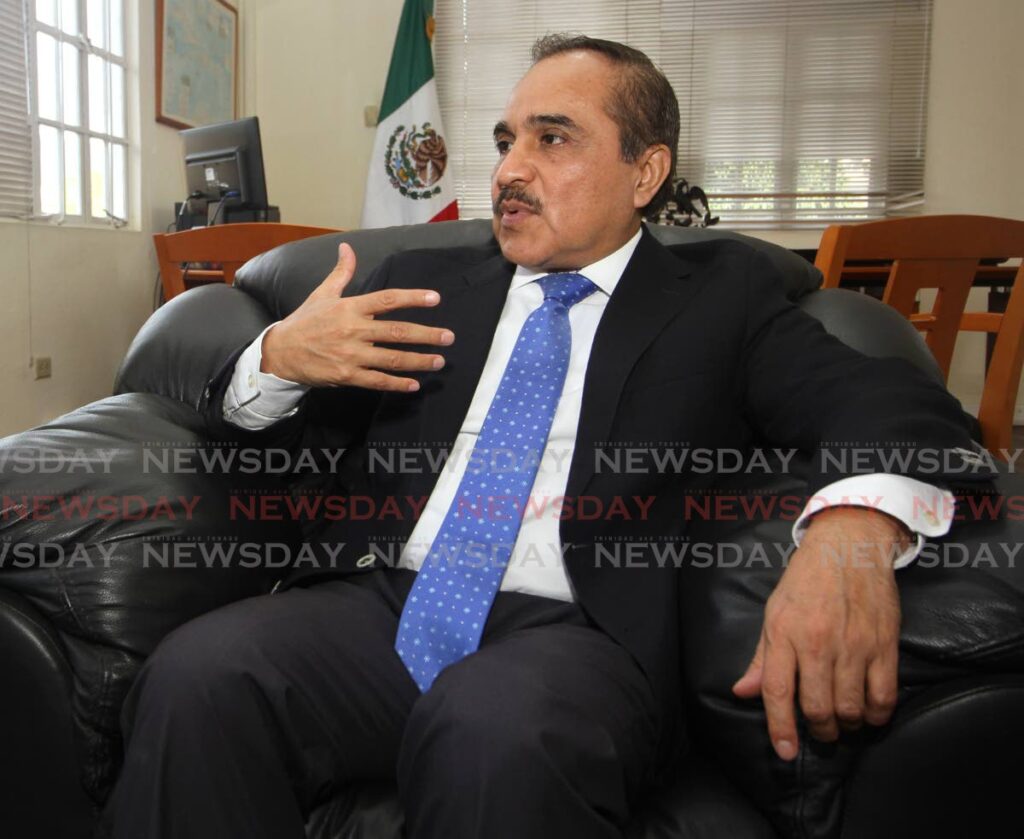
The evolving diplomatic landscape demands both agility and strategic foresight, with AI emerging as a transformative tool for modern statecraft. Through development initiatives, trade facilitation, and cultural diplomacy, Mexico under Ambassador Víctor Hugo Morales Meléndez has strengthened partnerships with Caribbean nations. Similarly, Panama’s strategic position as a logistics hub, guided by Ambassador Diomedes Carles, enhances regional connectivity through expanded aviation operations.
AI technology now provides critical capabilities for analyzing cross-border energy flows, identifying economic disruptions, and monitoring migration patterns arising from regional instability. This data-driven approach equips diplomats with actionable intelligence for informed decision-making amid trade and security uncertainties.
The transformation extends to economic diplomacy, where AI-powered market analytics and supply-chain monitoring enable smaller economies to identify competitive sectors and investment opportunities. As Mexico advances nearshoring and regional integration initiatives, Trinidad and Tobago can leverage analytical capabilities to attract investment and participate in emerging manufacturing networks.
Consular services and public diplomacy also benefit from technological integration, with automated document verification and data-driven diaspora engagement enhancing embassy efficiency despite limited resources. During periods of geopolitical tension, these tools prove invaluable for citizen protection and regional stability maintenance.
While technology augments diplomatic capabilities, the human elements of judgment, negotiation, and cultural understanding remain irreplaceable. The Caribbean’s next generation of diplomats must operate at the intersection of geopolitics, economics, and technology, combining analytical rigor with cultural intelligence to shape the region’s influence in an increasingly complex global landscape.