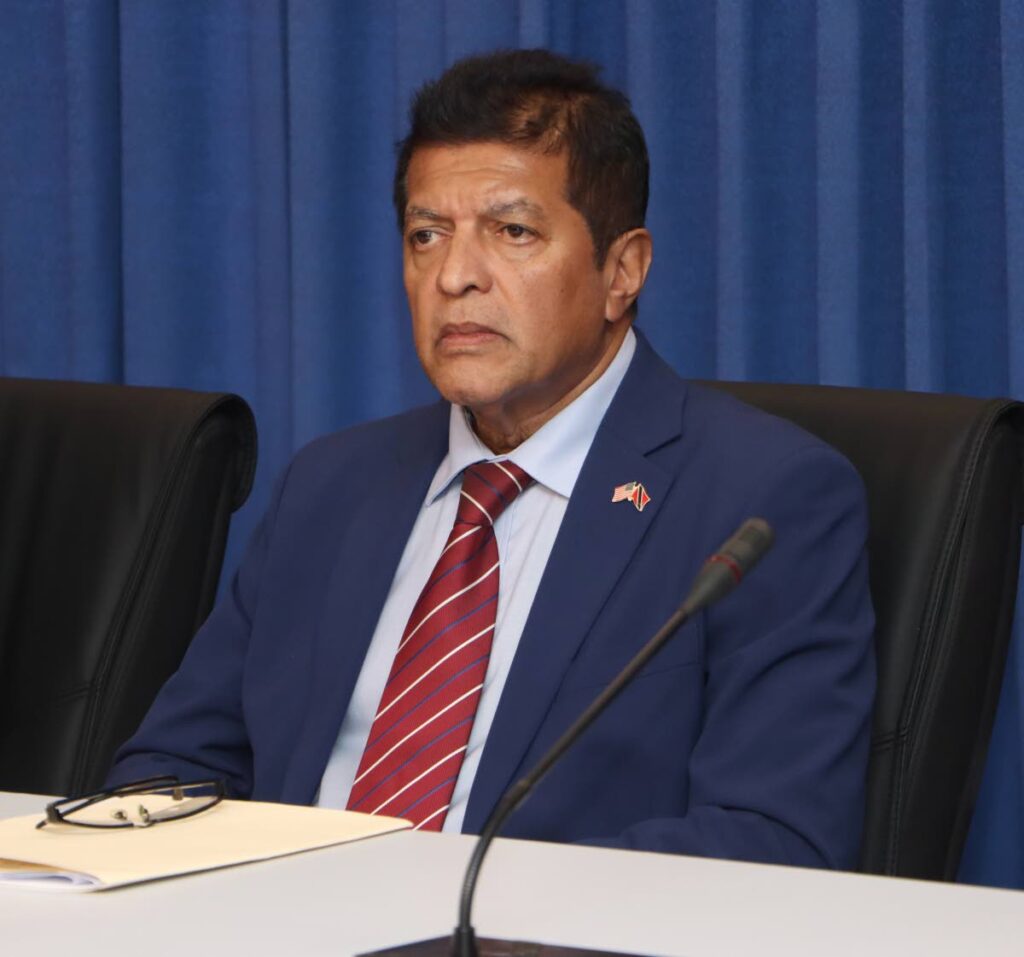
The Trinidad and Tobago Ministry of Health has unveiled an ambitious expansion of its national HIV/AIDS response strategy, committing to significantly enhance prevention, testing, and treatment services throughout 2026. This renewed effort aligns with global World AIDS Day 2025 observances and the international theme of overcoming disruption through transformative approaches to epidemic control.
Health Minister Dr. Lackram Bodoe confirmed the ministry will conduct a comprehensive review of current policies regarding pre-exposure prophylaxis (PrEP) and doxycycline prophylaxis (DoxyPEP) accessibility. These pharmaceutical interventions represent cutting-edge biomedical prevention methods, with CDC research indicating PrEP reduces sexual HIV transmission risk by approximately 99% when properly administered.
The strategic enhancement will prioritize several key initiatives: broadening community-based testing capabilities, increasing availability of self-testing kits, ensuring immediate treatment initiation protocols, strengthening patient retention systems, and launching a substantial national campaign against stigma and discrimination. These measures will be complemented by targeted interventions for vulnerable demographics and expanded psychosocial support services for HIV-positive individuals.
Trinidad and Tobago has demonstrated considerable progress in epidemic control, with most diagnosed individuals currently receiving antiretroviral therapy (ART) through the Medical Research Foundation TT and other clinical facilities. A significant majority have achieved viral suppression, effectively preventing disease progression and interrupting transmission chains.
Recent innovations include the official introduction of HIV self-testing kits enabling private home testing and the establishment of specialized linkage teams featuring peer navigators, social workers, and psychological support staff to ensure continuous care engagement. The nation maintains free ART access and viral load monitoring services across all treatment centers.
Prevention initiatives have intensified through expanded outreach targeting youth populations, high-risk groups, and ongoing efforts to eliminate mother-to-child transmission. The ministry has additionally amplified public education campaigns and workplace programs responding to reports of persistent stigma and discrimination.
Health authorities have issued a rallying cry for collaborative action, urging citizens, community leaders, and stakeholders to unite in creating a stigma-free society where all individuals can access healthcare services with dignity and respect. The ministry reaffirmed its unwavering commitment to eliminating AIDS as a public health threat by 2030 through evidence-based interventions and strengthened civil society partnerships.