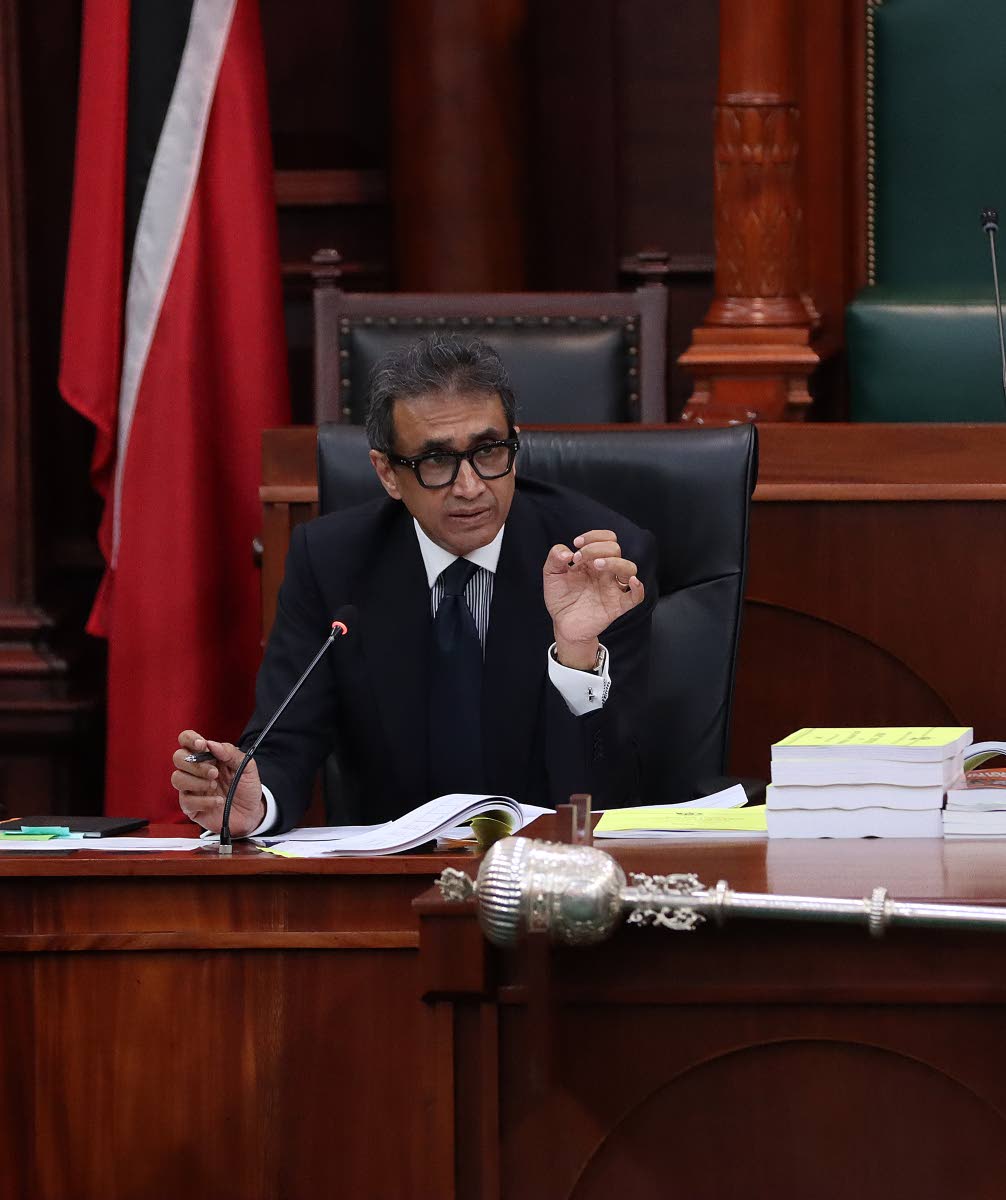
A parliamentary hearing on December 1st revealed significant vulnerabilities within the national foreign exchange allocation framework, with the Public Administration and Appropriations Committee (PAAC) uncovering how systemic weaknesses enable importers to exploit the system through ‘double-dipping’ practices.
During the intense scrutiny before the committee, Eximbank executive Navin Dookeran detailed the institution’s verification protocols for pharmaceutical importers, emphasizing their multi-layered approach. The bank’s pharmaceutical facility, serving approximately 30 companies, employs comprehensive financial assessments including financial statements, cost-of-goods-sold analytics, monthly trade reports, usage pattern analysis, and rigorous supplier due-diligence checks to determine foreign currency allocations.
“Our validation process extends far beyond invoice examination,” Dookeran asserted. “We demand complete financial documentation and utilize multiple empirical data points to calculate appropriate allocation amounts for each enterprise.”
The bank’s safeguard measures include direct payments to international suppliers and enhanced due diligence for unfamiliar vendors, incorporating corporate background searches and banking verification. Dookeran cited one instance where Google Street View revealed a supposed supplier operating from a residential address, prompting immediate transaction termination.
Committee Chairman Speaker Jagdeo Singh persistently challenged these controls, highlighting how importers establish US-based supply companies with obscured ownership structures to conceal related-party transactions. “These arrangements facilitate hidden common ownership patterns. What mechanisms exist to verify that invoice-issuing parties aren’t related entities?” Singh questioned.
The most critical exposure emerged regarding cross-bank verification. Dookeran acknowledged that Eximbank lacks transaction-level cross-referencing systems with other financial institutions, creating opportunities for importers to submit identical documentation to multiple banks. “You are correct,” Dookeran conceded when Singh pointed out this enables ‘double or triple dipping’ into foreign reserves.
Independent Senator Dr. Marlene Attz contextualized the forex shortage within Trinidad and Tobago’s energy sector decline since 2014, which has reduced foreign-exchange earnings while maintaining high demand. This economic mismatch directly impacts pharmaceutical pricing, with limited competition in generic drug importation keeping costs artificially high.
Pharmacy sector representatives identified regulatory obstacles as primary barriers, noting that outdated drug-registration laws and restrictive recognition of foreign regulatory authorities prevent affordable, high-quality generics from India and Eastern Europe from entering the market. Pharmacist Glenwayne Suchit estimated potential savings of $174 million through regulatory reform.
Ministry of Health permanent secretary Astif Ali defended the current approval process, emphasizing that while requirements may be burdensome, they are essential for preventing substandard medications from reaching consumers. The chief chemist and drug inspector maintain uniform standards for both brand-name and generic pharmaceuticals, with particular challenges in verifying products from countries without local regulatory representation.