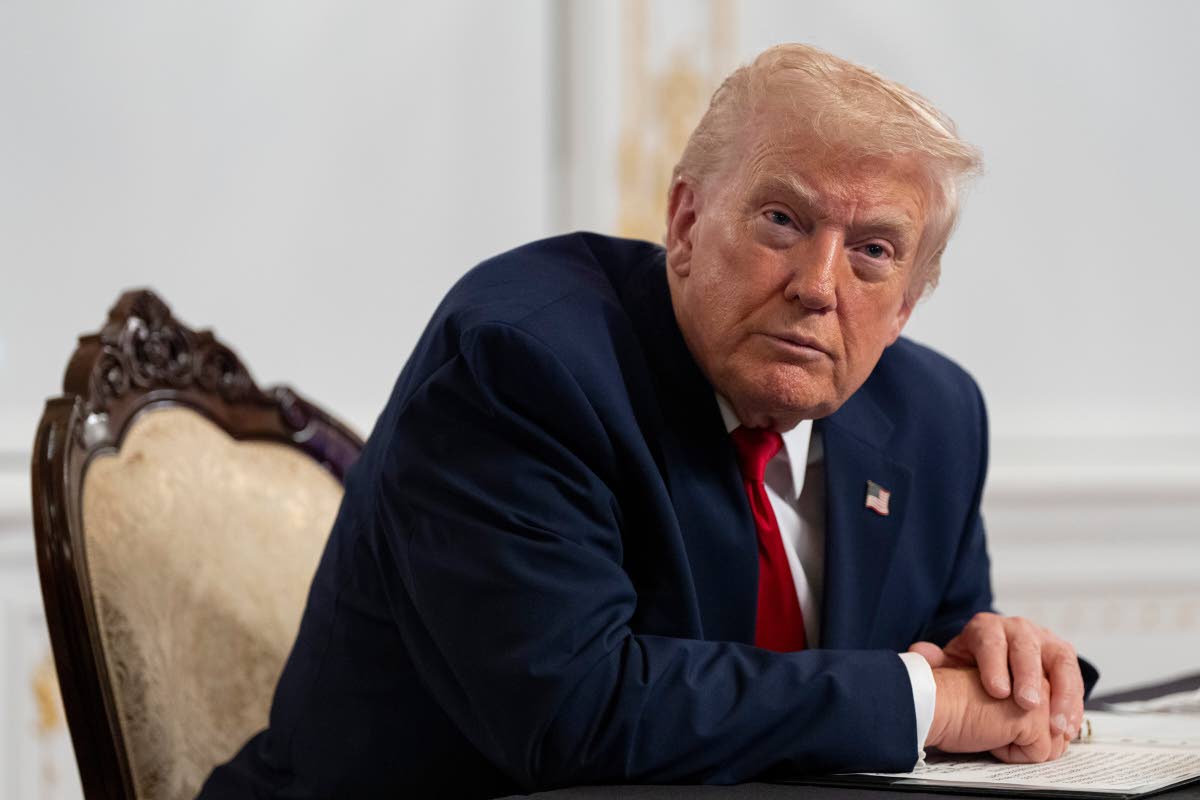
In a decisive response to the fatal attack on National Guard personnel in Washington DC, President Donald Trump has declared an immediate and permanent suspension of immigration from all Third World nations. This drastic measure aims to enable what the administration describes as a necessary recovery period for the United States’ immigration system.
The incident that precipitated this policy shift involved the death of service member Sarah Beckstrom, who was part of a 2,000-strong National Guard deployment addressing security concerns in the capital. The alleged perpetrator, identified as Rahmanullah Lakanwal, previously collaborated with the CIA in Afghanistan as a GPS tracking specialist before entering the United States through the Operation Allies Welcome resettlement program. This program facilitated the relocation of approximately 190,000 Afghans following the 2021 military withdrawal.
This announcement represents the most recent implementation of President Trump’s increasingly stringent immigration framework. The administration has concurrently suspended all pending immigration requests from Afghan citizens and initiated a comprehensive reevaluation of every Green Card issued to migrants from countries deemed concerning. USCIS Director Joseph Edlow will oversee this rigorous review process.
Earlier in June, the White House established precedent for these measures by issuing formal restrictions on entry from 19 nations—including Haiti, Cuba, and Venezuela—citing protection from terrorist activities and public safety threats as justification. Current statistics indicate over two million immigrants await asylum decisions or court hearings.
The administration’s approach marks a fundamental departure from traditional American immigration philosophy, explicitly rejecting the celebrated invitation embodied in the Statue of Liberty’s call to ‘give me your tired, your poor, your huddled masses yearning to breathe free.’ Instead, the policy direction favors what critics characterize as isolationism and exclusion rather than diversity and acceptance.
This strategic pivot occurs despite substantial evidence of immigrants’ economic contributions. Research indicates that half of Fortune 500 companies were established by immigrants or their descendants, while migrant students founded approximately one-quarter of U.S. billion-dollar startups. Economic studies consistently demonstrate that immigrant workforce participation revitalizes and strengthens national economies.
Recent regulatory changes, including raising the H-1B visa application fee to $100,000, have already significantly constrained American businesses’ capacity to recruit international talent. These developments suggest that promising graduates from abroad will increasingly seek opportunities outside the United States.
The Trump administration’s immigration vision appears to prioritize homogeneity over diversity, implementing policies that critics argue may fundamentally weaken America’s competitive advantages and global standing for generations to come.