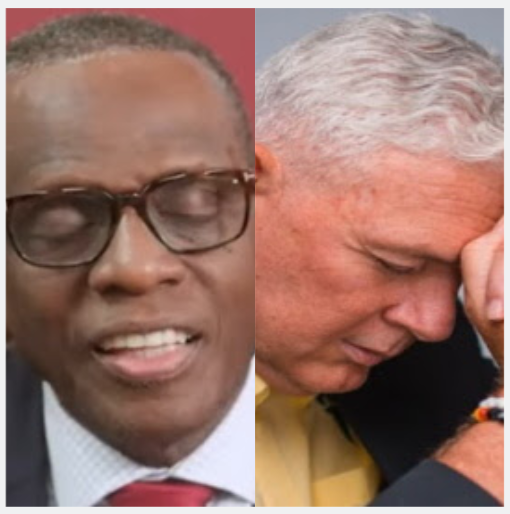
Citizens of St. Lucia are heading to the polls on Monday, December 1st, in a crucial general election that will determine the political trajectory of this Caribbean Community (CARICOM) nation. The electoral contest presents a direct confrontation between Prime Minister Phillip J. Pierre’s incumbent St. Lucia Labour Party (SLP) and the main opposition United Workers Party (UWP), led by former Prime Minister Allen Chastanet.
Prime Minister Pierre, 71, called the election nearly a year before the constitutional deadline, expressing confidence that the SLP will maintain or even surpass its current majority of 13 seats secured in the July 2021 elections. In his final appeal to voters on social media, Pierre emphasized continued progress under his administration, invoking spiritual guidance with references to Psalm 33:12: “Blessed is the nation whose God is the Lord.”
Opposition leader Chastanet, 65, seeks to reverse his party’s previous electoral defeat, campaigning on a platform of hope and change. Addressing supporters at his party’s final rally in Choiseul, Chastanet positioned the UWP within a broader regional trend, noting recent victories by “yellow” parties across the Caribbean, including in Trinidad and Tobago and St. Vincent and the Grenadines.
The electoral landscape features 44 nominated candidates alongside eight independents, with political observers noting particularly competitive races in constituencies where government ministers Richard Frederick and Stephenson King are seeking reelection as independents after previously winning as UWP members before aligning with the SLP.
The St. Lucia Electoral Department reports approximately 180,000 registered voters for this election, with Chief Elections Officer Herman St. Helen noting a significant surge in registrations following the November 9th election announcement, particularly among young voters. The Department maintains full preparedness to ensure a free and fair electoral process, including addressing allegations of corruption through legal channels when necessary.
International observer missions from the Caribbean Community (CARICOM) and the Organization of American States (OAS) will monitor the electoral process, underscoring its regional significance. The outcome will determine whether St. Lucia continues its current development path or embraces a new political direction for the next five years.