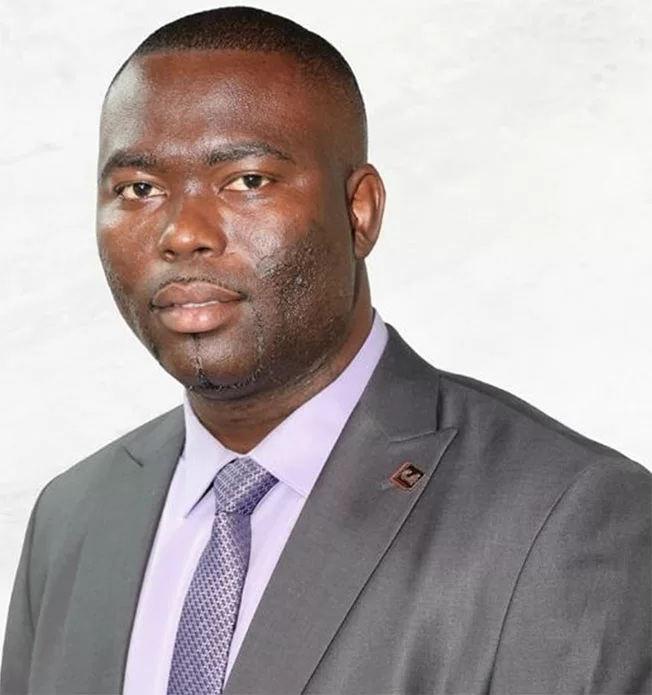
Surinamese parliament member Michael S. Marengo has expressed profound concerns regarding the Dutch king’s upcoming state visit to Suriname, questioning the official itinerary’s failure to acknowledge regions most impacted by colonial exploitation and slavery.
The visit, scheduled to commemorate 50 years of Surinamese independence (Srefidensi) and the unique historical ties between the Netherlands and its former colony, arrives at a moment of heightened sensitivity surrounding colonial reckoning. Marengo contends that while symbolically significant, the planned program demonstrates a troubling lack of recognition for the nation’s painful past.
Central to the criticism is the omission of the district of Para from the royal itinerary. Marengo emphasizes that Para represents far more than just a geographic region; it serves as the cultural heartland for a substantial portion of Suriname’s Indigenous communities—the original inhabitants of the land. Furthermore, it remains home to the highest concentration of descendants of enslaved Africans and contains the majority of surviving plantations from the colonial era.
The lawmaker finds it “extremely inappropriate and disappointing” that these historically burdened places, emblematic of both immense suffering and remarkable resilience, are excluded from the king’s agenda. This oversight, he argues, signals a deficiency in acknowledging those communities most devastated by historical systems, particularly the trans-Atlantic slave trade.
Adding to the consternation, the king’s schedule includes stops at former plantations currently operated by, among others, foreign Dutch nationals. Marengo suggests this choice prioritizes the perspective of those who continue to benefit from historical structures of power, rather than centering the voices of descendants who bear the lasting scars and burdens of that era.
Marengo asserts that a visit to Para would constitute a powerful gesture of respect and moral responsibility. Engaging directly with Indigenous villages and communities of Maroon descendants would demonstrate the Kingdom of the Netherlands’ willingness to confront the painful chapters of shared history, moving beyond superficial ceremony.
The parliamentarian calls for genuine appreciation and visible recognition for all groups central to Suriname’s history and identity, urging that the royal visit transcend a mere half-hour symbolic meeting. He frames this as a historical responsibility born from centuries of domination, injustice, and economic exploitation, concluding that Suriname—and particularly the groups still experiencing the legacy of 500 years of oppression—deserves nothing less than dignified, sincere, and tangible recognition.